
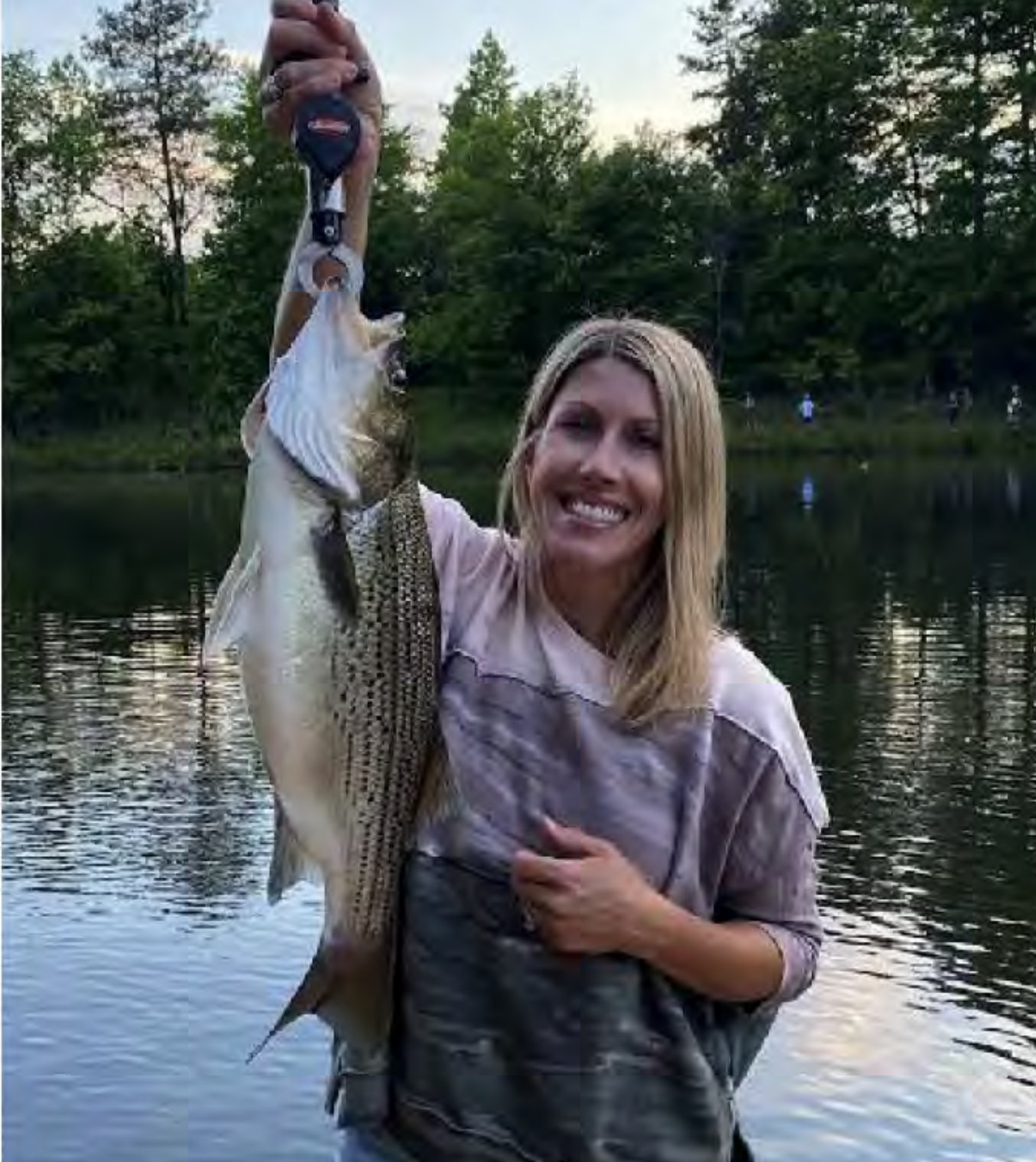
When it comes to your lake and top-level predators, some lake owners may only have largemouth bass to deal with, while others may have largemouth bass, black crappie, channel catfish, and/or striped bass hybrids, along with some undesirable predators like bowfin and/or gar. A lake’s productivity, which includes green water, can dictate how many of these species you can have and whether they can be successfully managed. The more productive, the more manageable it is having some or all these species. Managing predators comes down to forage. Yes, you must have good water quality and good habitat like all species, but forage for large predator fish is usually the limiting factor. Some large predator’s diets overlap, while some do not, but they all eat fish and the fewer predators there are, the more forage you have the better.
First, to accommodate multiple desirable predator species, the waterbody must be large enough. If the waterbody is less than one acre, I recommend channel catfish (usually do not reproduce) or the channel/blue cross (does not reproduce) and bluegill only. Adding striped bass hybrids (they do not reproduce) or female only largemouth bass can be performed in place of channel catfish. Non reproducing predators in small ponds is appealing, as you can regulate their numbers. All ponds become imbalanced with too many small (stunted growth) predators and not enough forage when the top-level predators are reproducing without reduction in numbers. Many managers prefer to have at least 20 acres to stock black crappie, where I say if you only have bass and crappie, with the right habitat and forage base, five acres or larger will work.
The largemouth bass life history is similar throughout the Southeast, but there are subtle differences as you move north. Life expectancy is a good example, where a Florida largemouth bass that is 12 years is near the end of her life and one in Maryland near 20 years is not uncommon. Spawning begins around 60°F and continues into the low 70’s during the spring. I know from personal experience, around 68°F is peak spawning temperature in Florida, but is slightly cooler as you go north into Georgia. The male creates the nest in 3-8 feet deep water (depends on habitat and water visibility), coaxing the female to come lay her eggs. She will lay between 30,000 and 50,000 eggs and has been documented laying 100,000 eggs. Once a female reaches approximately age six, she will begin producing fewer eggs. After fertilization, the male will remain on the nest and guard it until they hatch and stay with the school for a few days until they disperse. The question is always asked, “Does fishing beds hurt the population?” This depends on the number of large fish you have in the population and how frequently hooking mortality occurs. Once the bass hatch, cover becomes very important for largemouth bass survival from predation and where small organisms grow for young bass to consume. Females after age two grow faster than males and are the trophies. Males have been documented up to about five pounds, but most are small, under three pounds. Both males and females reach sexual maturity (start spawning) around two years old. They have been documented as young as one and as late as three years old to reach sexual maturity. The color of largemouth bass greatly varies depending on the type of water color it lives in. It ranges from a pail greenish yellow with no markings to almost black markings and dark green body.
Largemouth bass growth rates vary immensely from geographic areas and are dictated by genetics, forage and cover availability. The Florida strain of largemouth bass may take 8-10 years to become a double-digit fish, while claims of the Florida/Northern cross can reach weights of four to six pounds in two years, but may not or barely reach double digit weight before dying. The Northern largemouth bass can and does reach double digit size, but may take 15-17 years or more to reach that weight. Whatever the genetic makeup of your largemouth bass population, abundant forage throughout its life and cover are required to grow big bass.

The most common catfish stocked in both public and private waterbodies and raised for food fish, is the channel catfish. The channel catfish grows quickly in a pond with supplemental feeding and under most situations will not reproduce in small, manmade waterbodies. It is easy to control numbers when channel catfish are stocked in most private lakes and ponds, and occasionally need to be restocked when numbers become depleted. Historically, every lake and pond owner wanted channel catfish stocked so they had a fish to eat. They are relatively easy to catch, which makes it appealing for novice and youth anglers. I have seen them caught on anything from artificial lures, stink bait, liver, hotdogs and live bait (worms, nightcrawlers, minnows, crayfish, bream, golden shiners and threadfin shad). Their growth can be accelerated by supplementally feeding commercial fish feed. Routine feeding also concentrates them to increase angling success.

The blue catfish was started to be used for pond stocking a few decades back in Texas and the central part of the country and now that has expanded. Very large catfish do not continue to grow on fish food or 2–4-inch bluegill, they need 5–8-inch bream, 1-2 lbs. gizzard shad and anything else they can swallow that provides protein to continue growing. Any good fish manager knows big fish require big forage, and lots of it.
Depending on where in the country you are, and how long your growing season is dictates how fast or big your catfish may get. Generally, the farther north you are, the slower catfish will grow, but they will live longer, and will get to bigger sizes than fish in the South.
The hybrid striped bass was developed in the mid 1960’s in South Carolina and have become a popular sport fish throughout the Southeast. Hybrids grow rapidly during their first two years of life with adequate forage. The typical size of hybrid striped bass caught generally range from two to five pounds, but fish near 10 pounds have been documented. The usual life span of hybrid striped bass is five to six years.
Hybrid striped bass are seldom found in shallow areas or areas with dense vegetation, they prefer deeper, open water with adequate dissolved oxygen. They frequent cooler water during the summer months and greatly slow their feeding down when water temperatures become too warm. They do tolerate warmer water temperatures than the white or striped bass. Generally, they are most active in periods of low light, such as dawn and dusk, and in summer they tend to concentrate in deeper areas of the water for cooler temperatures. They are attracted to flowing water and will congregate near an inflow looking for food. Their diets consist of mostly appropriately sized small fish. Threadfin shad, small gizzard shad, and brook silversides (glass minnows) being the most common prey species. They will move close to shore and target bluegill and golden shiners if offshore forage is unavailable. The key is appropriate size forage that occupies open water where they inhabit, as the hybrid striped bass has a much smaller mouth than its largemouth counterpart. If individuals are removed for table fair or were stocked five years or longer ago, restocking is required at that time.
The hybrid striped bass is less tolerant of poor water quality and higher water temperatures than many other sportfish species. We have found the one key to them being successful is a strong threadfin shad population. Threadfin generally stay out in open water, in schools, and remain small in size so many year classes of hybrid striped bass utilize them as forage. Obviously, they will compete with other species that target threadfin shad, such as crappie and largemouth bass. There have been some raised to consume pellet feed with over 40% protein, however, these fish have a high mortality rate and have proven difficult to catch with artificial lures or live bait. We have observed them consuming both feed and fish in some situations. We have even observed anglers catching them on worms and chicken livers while targeting other species. This indicates that under certain circumstances, the hybrid striper will resort to bottom feeding. This was always observed where fish feed (floating/sinking mix) was being used.

Managing predator fish starts with the forage species and sizes present. When managing any fish, start with assessing what they eat and their habitat. If a forage base cannot be created or maintained, the predators will not grow, and become overpopulated and stunted, or if not reproducing, will grow slowly until they die out of the population. Monitoring forage from electrofishing, during fish feeding, predator stomach content analysis (cutting fish stomachs open) is the best way to identify what forage species is present and which predator species are targeting which forage species. It is not uncommon for a predator rich fishery needing an occasional booster stocking of either mosquitofish, bluegill, golden shiners or threadfin shad being the most common but also trout, tilapia and crayfish. Again, the right forage available in all sizes to accommodate each predator’s size is critical to continue excessive growth into the quality size classes. You may be lucky and have other species not listed previously like lake chubsuckers, other smaller bream-like species, or various minnows. Then there are the occasional forage such as frogs, snakes, baby ducks, various insects (this year fish are getting fat on cicadas, so not all bad things are all bad). But those are not steady diet items, there may be a small growth spurt from insects or frogs, but you want your desirable predators on full feed, all the time with no interruption of protein supply through their entire life. That is how quality and trophy fish come to be.
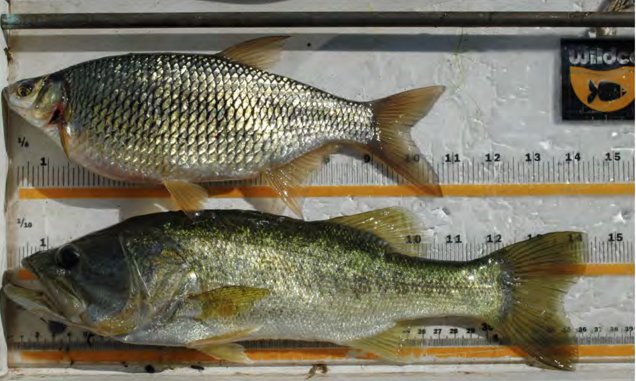
Stocking predators is tricky. In new lakes we usually recommend stocking forage 6 to 12 months before the predators. This gives the forage time to establish, hopefully reproduce and numbers are high, some forage individuals are too large to be consumed and go on to reproduce when predators are introduced. Typically, all the predators are stocked from 25-100 per acre depending on your goals. Even with a good forage base established we understock to allow the new predators to grow at an accelerated rate and hopefully not consume all the forage, but leave some to naturally reproduce for a few years without supplemental stocking intervention. If both largemouth bass (male and females) and/or striped bass hybrids or black crappie are going in, we stock 25 per acre of each species. We repeat the hybrid stocking every two years, which allows you to constantly have quality hybrids to catch as they grow up as opposed to boom or bust every 5-7 years. If stocking female only largemouth bass, non-reproducing catfish, etc. a low rate stocking every two-to-three years is also recommended. When introducing a new predator into an existing lake you must identify the other predators, if they have enough forage, identify the forage available and will the forage base present support a new predator? When introducing a new predator, we also stock additional forage species already there or introduce a new native forage species to offset the additional number of mouths to feed. This also needs to be addressed when moving quality largemouth bass from a lesser waterbody to your prize lake. You are introducing more mouths that may need bigger forage that may not be at their new home. You need to know before you add them and add forage accordingly. If the proper sized forage is not already present, it will not be until you supplementally stock.
The most common lake management mistake is not removing enough predators that are naturally reproducing in the lake. Yes, this can be a difficult task, but not removing those fish annually will result in not having the quality of fish you desire. Many people just do not want to clean fish, or the ones needing taken are too small and they do not want to remove them. In some states, removal with electrofishing is legal, some require a permit and some do not allow it and they must be removed with legal methods at daily bag limit rates. Check with your state regulations before removing large numbers of fish. We have had clients come to us complaining that the largemouth bass population results in their lake is far less than expected, but when asked how many little bass, as instructed, that they have taken out, it’s almost always none or not nearly enough. In some instances, depending on how much you fish and how many bass should be removed annually, you may remove every largemouth bass you catch all year that is below the size established by your lake manager, which may be 10, 12 or 14 inches. Again, the total number per acre needing removed annually depends on your lake’s productivity. This number will range from 10-25 per acre, and possibly higher, ANNUALLY. With predators that do not reproduce, you may harvest as you desire, but in smaller ponds, keeping count to know when the right time to restock is important.

Your lake may have some undesirable top-level predators such as gar and bowfin. These are only consuming forage that the desirable predators in the waterbody could be consuming. If these are caught it is best to remove them, as one less mouth to feed is good for the remaining ones. Pickerel are what we call owners choice. Some eat the larger ones, some owners just like knowing they are there. We have never seen a lot of large pickerel in our client’s waterbodies. You will never remove all of one species from angling, electrofishing or even seining, but it will help the desirable top-level predators remaining with an increased food source.