

Most lake and pond owners now are experiencing extreme droughts and/or floods on their waterbodies at some point. Hopefully these events are rare and consider yourself lucky if not too frequent and when they do occur use them to your management advantage, as they can improve water chemistry, soil, vegetation and the fish population.
Effects of Drought
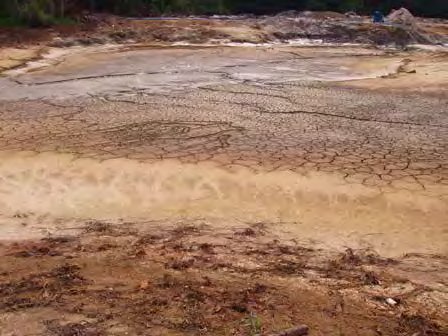
Not sure anymore what happens more frequently these days, flooding or drought. Whether the result of a natural fall and rise or man-made event (drawdown), a drought can facilitate many positive benefits when spaced 8-12 years apart. Like anything, when droughts occur too often, or not for long periods of time, it can be detrimental to a waterbody.
Generally, water chemistry will remain stable until too many fish become overcrowded for too long a period of time. As water levels decrease, the waterbody becomes smaller the surface acres reduce and become shallower. The slope, bottom contour, bottom sediment composition and how many fish are present all dictate if any water chemistry issues will occur. The more fish confined, the more Dissolved Oxygen (DO) required. Other parameters can be elevated like ammonia and nitrogen levels from concentrated fish waste or sediment. Ponds with abnormally high salt content along the coast can experience higher salinity levels as water evaporates and salt is left behind. Some freshwater plants and fish species may become stressed or die depending on the salinity levels during drought.

As the waterbody gets shallower, both shoreline and submerged vegetation can increase. As water recedes, aquatic plants high on the bank will start to die and terrestrial plants will begin to grow. If the drought occurs in the fall, this growth will be much slower or nonexistent depending on the air temperature over winter.
The fish population will definitely change during extreme drought. Bigger fish (predators like largemouth bass, catfish and big panfish) experience a growth spurt as forage is pulled out of shoreline habitat, exposed and concentrated. As a result, prey numbers decline faster during a drought. If the drought last too long, predators can deplete forage numbers to a level where they cannot repopulate and eventually the predator’s growth rates slow to even slower than prior drought conditions, due to lack of food. Another issue with drought is fish disease becomes more common and an issue as individuals become crowded and readily pass bacteria or viruses to one another more frequently. These fish population dynamic changes can affect species diversity in your waterbody.
What Can Be Done During and After a Drought to Improve or Restore Your Lake?
One of the first things recommended is to inspect the dam, outflow structure and emergency overflow while water is down. If during a drought you notice a green area of vegetation anywhere on the back side of the dam amongst lots of pale or brown vegetation, this may indicate there is a leak. If repairs to any of these are needed, make arrangements to do the work, to alleviate having to drawdown again later in the near future. Remember that if a repair is decided on, a procedure to keep the water down must be readily handy or put in place in case rain comes and it begins filling up. During extreme drought, cracks may form and not swell back closed when it refills allowing erosion into the dam’s interior.
Low water is a great time to improve slope, deepen or remove organic material (muck) that has built up along the shore from decomposing vegetation. A good slope (4:1 or even better 3:1) deters excess vegetation growth after refilling. It allows some plants to grow, but doesn’t allow them to grow too far out into the lake. If Hydrilla or other nuisance submerged vegetation is present, lightly scraping the lake bottom where present, removes tubers and seeds to prevent it from coming back when refilling occurs.
Repair or install a dock or pier. It is much easier to conduct this work yourself if you can stand on the bottom and work as opposed to working from a boat, especially when installing pylons. Remember, the water is down, so place the dock height above average water height. Place in an area where a boat can be pulled up to it, a feeder placed on it, and people can jump off into deep water to swim if you wish.
Depending on the time of year, treating excess aquatic vegetation may be necessary or beneficial. Again, some plants are good, but the more shallow areas there are, the more submerged vegetation may grow. As water recedes, the upland plants (weeds) will make their way down the old dry lake bank and possibly into the lakebed in shallower areas. These can be left to grow, as they will become a big part of the re-flooded waterbodies food chain. If a treatment with Floridone (Sonar) was being considered, treating during a drought reduces herbicide required and can greatly reduce treatment cost.
If you were considering killing the pond out and starting over, a drought is a good time to also perform this task. It takes much less Rotenone (fish toxicant) when the waterbody has less surface acres and shallower. This saves you money and helps keep the toxicant from flowing out, downstream while active, eliminating all risks of an accidental kill off site.
If the drought lasts an extended period of time, removing more bass and bream/panfish prescribed or stocking forage to keep the populations going will be necessary to alleviate predation stress or death. The time refilling begins is the time to consider evaluating and restocking forage, predators or both. If the event was extensive, whether you observed a fish kill or not, get an electrofishing survey conducted as it refills, not just to see numbers present, how robust or skinny your largemouth bass are, but also to identify forage species, sizes present and estimate their numbers. This will help you determine if restocking any species is necessary. Ideally, if the fish start spawning and it gradually refills to where large post spawn areas of high-quality habitat of flooded shoreline vegetation rich in forage for fry and fingerling fish is present, restocking most species may not be necessary. This decision needs to be made with a professional fishery biologist who has experience in these situations. Just stocking to be stocking doesn’t improve the fishery and it uses funds from your budget that can be used elsewhere. As stated earlier, you may need to stock a species as a temporary improvement until the desired species and numbers can be acquired from a hatchery or naturally repopulates.
Not allowing back-to-back extreme low water levels is feasible by landowners that can utilize wells to maintain lake levels, however, every 10 years or so, refrain from keeping it full and allow nature to do its work and improve your lake. If a lake is being used for irrigation and filled with well water and pumped onto agricultural crops, be sure to gradually add and remove water. If water transfer is too great, a fish kill can occur from too much well water.
Effects of Flood
Occasional floods are also good for lakes, as long as most fish are not lost or new species of fish or plants are not introduced from nearby waterbodies. An occasional flood can reduce submerged and shoreline vegetation. It can increase acreage and quality habitat which increases all fish numbers, particularly forage species.
Water chemistry initially will decline during a flood. Either organics are washed in, or as the water rises and floods nearby uplands, the dead or dying vegetation will lower DO levels. When flooding occurs quickly, stress or a fish kill can occur. If it happens slowly, things will remain stable. Water washing in from nearby swamps or pine forests may begin to drop pH (become more acidic), and needs to be checked some time after the event. Turbidity (muddy water) can also increase during flooding depending on bare ground surrounding and upstream of the waterbody, and from water washing in dirt from shoreline erosion. Temporary muddy water does not negatively impact fish. Once the event is over, if muddy water persists, things can be done to reduce turbidity and increase visibility.
Soil may be added to your lake and reduce water depth in certain areas if erosion is extreme. At the emergency outflow, soil can be eroded and washed downstream. Organics from nearby agriculture practices can both reduce pond depth and increase poor water quality after a high-water event. An extreme event can damage the dam or cause it to fail, in which water and soil can be transferred downstream, along with organics if the lake had any.

As water rises, upland plants may begin to die off and aquatic plants in the original lake bed die from water too deep, but begin growing in the new shallows of flooded areas. Floods generally last shorter periods of time than droughts, so aquatic and/or shoreline vegetation may not be affected at all.
As stated earlier, fish are exposed to new high-quality habitat for hiding and feeding if shorelines are not manicured. If the water stays up for an extended period, fry and fingerlings will benefit from the added feeding and loafing areas. However, during excessive flooding, fish can be lost down stream as they swim or wash over the dam. Also, fish from surrounding rivers, lakes and creeks can wash into and get trapped in your waterbody. Some may not be welcomed (undesirable species) and cause issues in the future.
What Can Be Done During and After a Flood to Improve or Restore Your Lake?
The most important thing to monitor during a flood event is the dam, if your lake has one. Inspect periodically looking for leaks on the backside near top and bottom. Make sure the outflow doesn’t get clogged with debris and clean as necessary. Do not cover outflow with a screen or fencing, as it will clog even faster. Watch the emergency overflow and look for erosion. Should the dam look like it may fail opening any valves, adding a pump run by a tractor, a trash pump or siphon to get additional water out may alleviate pressure on the dam. Consider any landowners downstream that may need to be notified prior to a dam breaking. Feeders, aeration or fountain pumps should be monitored and moved to higher ground to prevent water damage if necessary.

During periods of excessively high-water, watch for escaping fish through outflow or over the dam. If an excessive number of fish are observed washing downstream, restocking certain species or all species may be necessary. Fish entering the lake from nearby waterbodies will be observed in an electrofishing survey after the event is over.
If during a flood you witness fish at the surface and/or dying, the only thing that can be done is add aeration. Aeration can be done with large surface aerators run by tractor or electricity. These agitate the water vigorously and raise dissolved oxygen levels to create areas where fish can congregate until the DO throughout the lake rises naturally. These are common at fish hatcheries, but do work for temporary low DO fixes in a time of emergency. We have heard of commercial hatcheries loaning or leasing them out to landowners in an emergency. If the lake is too large, it probably will not help, and you must let nature run its course and deal with the population change after the event.
Once the water recedes to normal levels, check water chemistry. Then recheck water chemistry in a month or two to document any changes and see if the parameters stabilize and return to previous readings. Things should return to previous levels, but if pH does not, applying lime may be necessary. Usually, only pH is affected long term from flooding, especially in the Southeast, or where a liming program has been initiated prior to a flood event. Turbidity should subside after the event and water should return to the clarity it was prior once surrounding shoreline vegetation fills in where erosion occurred.
Long term flooding may affect surrounding upland trees. They may become stressed and even lose leaves during or after the event. However, do not cut down any trees that lost their leaves until they have had a chance to go through the following year green-up period. If after the following spring they do not get leaves, they can be considered dead and removed.
Continue to survey the vegetation after a severe flood. It is not uncommon besides fish to be introduced to your lake, for undesirable plant species to be fragmented (broken up) or uprooted from a nearby waterbody or upstream, and transplanted in your lake after the water recedes. Particularly plants like Hydrilla and other submerged aquatic vegetation that can transplant from pieces breaking off and re-rooting elsewhere. As soon as any exotic or undesirable species are identified, treat with herbicide or mechanically remove.
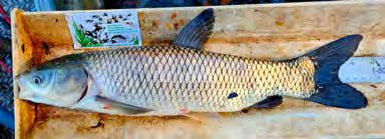
Have an electrofishing survey conducted once water levels return to normal. The electrofishing survey will help determine what new species are present, and numbers and sizes of remaining fish. Stocking may be required. Grass carp are particularly susceptible to swimming/flowing out of a waterbody during a flood.

If mostly undesirable fish species remain, starting the fish population over may be a necessity. A professional should be consulted to assess the fish population and possibly apply Rotenone and create a stocking strategy. This is a rarity, but is required on occasions.
A rare flood or drought event is good for a waterbody. Waterbodies that never fluctuate develop water chemistry, sediment and vegetation issues more often than ones that experience occasional fluctuation. Drought and flooding that occurs too often is detrimental to waterbodies and never allows them to reach their full potential, since they are always trying to recover.