
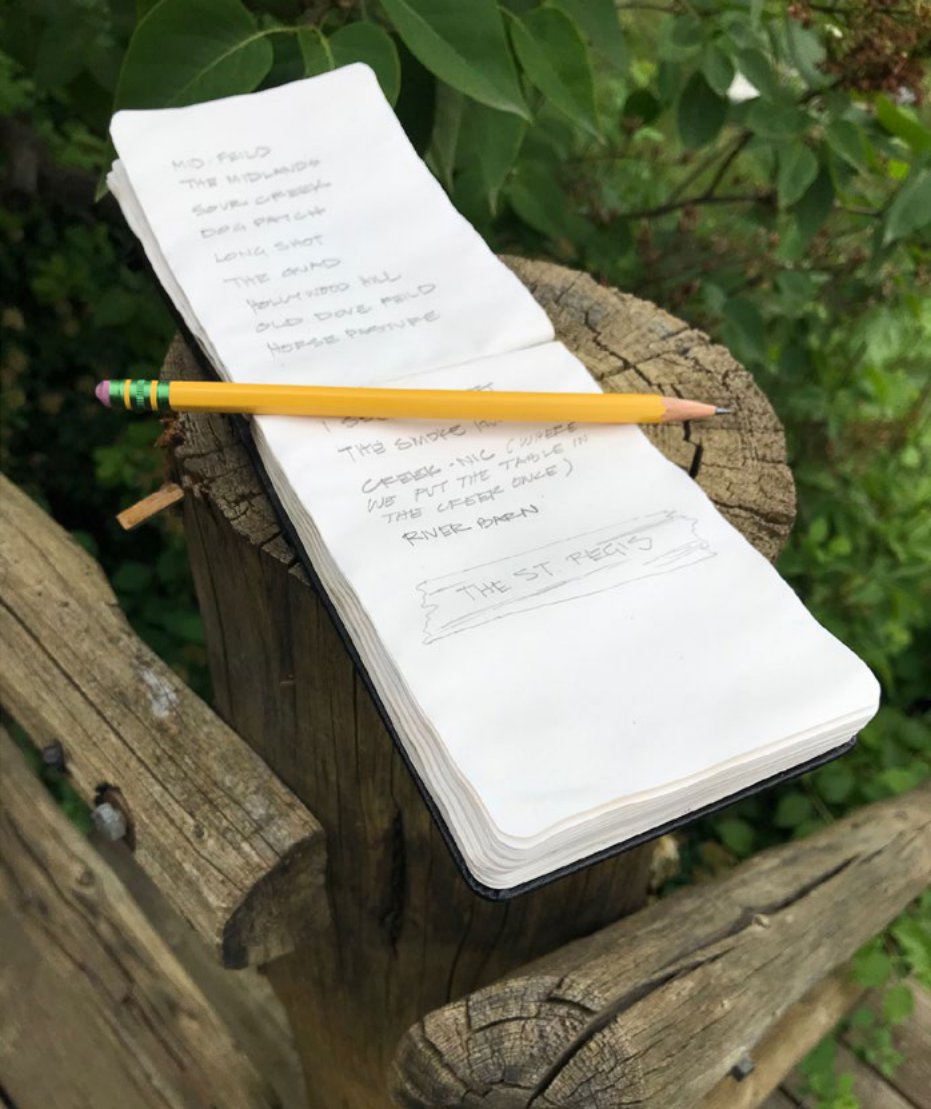
The discussion to name your farm, your fields, or your favorite fishing hole on the river can be surprisingly difficult. It can be so problematic that I am often asked to participate or moderate the names that are being floated across the table by owners stuck in analysis paralysis!
The difficulty lies in the idea that, once named, a farm forever becomes embodied by that name.
The land will be identified by that name, and scrutinized perhaps by family members and a host of well-meaning friends.
So, I thought perhaps I could provide a guide that I use to put the task of naming into perspective.
“What is in a name?”, Shakespeare asks and to this point, indeed what is it? Is it a place, a feeling one has when there, an aspiration, or even a memorial?
To cut through the murky obligations we have in thinking about the place, I think it is wise to consider, to contemplate, how the land in question makes you feel when you are there. Is it a summer knoll under a giant shade tree, a reedy pond with great late day fishing, or a peaceful Beech tree along a wooded escarpment deep in the heart of your land? This feeling for the place is the start to naming it and usually the best ending.
I was once touring a wonderful new farm in Alabama with large open fields that gave way to rich bottom lands filled with beautiful Beech trees. The water tan leaves clinging to the low hanging branches were recognized by all as a magical and unique moment particular to their farm. Thus, Beechwood Farms was decided upon there and then!

Generational farm or ranch properties have their own special naming difficulties. The children or grandchildren wish to honor the family place, but also need to “own” their time on the land they now call theirs.
The naming of a place after a family member or dear friend can be about their favorite spot, an activity that occurs there, or even famous quarry. Harrison’s Fishing Hole, Stephanie’s Walk, or “Hollywood’s” Hill which was named after a large buck we had for a number of years that loved to have his picture taken on the game camera, are examples of this. At our farm, the ghost of Hollywood still haunts my memory when hunting that ridge.
I believe naming various areas of your farm is helpful for your guests to navigate the land, particularly when fall hunting season arrives. You may have hunting guests unfamiliar with your property who will need orientation with your game stands. A simple map with areas denoted is a nice keepsake for your guest but also a risk mitigation device. When your hunters go out into the field, if they need help collecting their kill, or have an accident, others in the party will know where they are located.

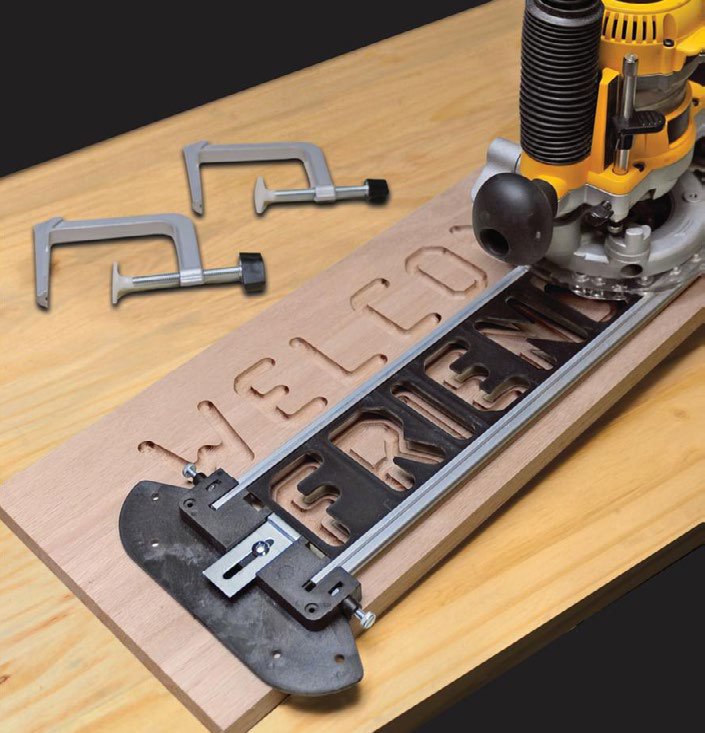
The type and style of the lettering used on maps and signage can vary greatly, but a basic guide with land signs will set you in a great direction.
If you purchase a wood routing lettering kit you can create a style of signage mimicking state or national park signs. I believe this “forestry” style is familiar to most people, is associated with the outdoors, and can blend and harmonize with the surroundings because of the use of wood as a substrate. If you use already aged barnwood siding even better.
Naming or marking locations does not have to be an endless guessing game or obsession. Keep a small moleskin type field note pad 3-1/2 x 5-1/2 inches and as fall hunting season takes over and your mind starts to wander while sitting in your stand, jot down the names that come to you. Let those names settle in for a few weeks, then choose the most resonant and don’t look back! Enjoy the doing, and relax the thinking.