
June/July 2017
Install new food plots and/or expand existing ones
From a landscape level, actively managing nature habitats should be one of the highest priorities for landowners desiring to enhance wildlife value of a property. Having said this, we all know the wildlife value created by dedicating land to actively managed food plots. Because all properties are unique with various habitat compositions, forest ages, diversity, timber management strategies, agricultural practices, and management on neighboring lands it is impossible to provide a “cookie cutter” amount of acreage that should be dedicated to food plots. However, if adding more acreage in food plots is in your plans, summer is a good time to create new food plots or enhance existing plots. I personally like to plan and mark/flag areas needing clearing during winter months while leaves are off allowing me to see the area better.
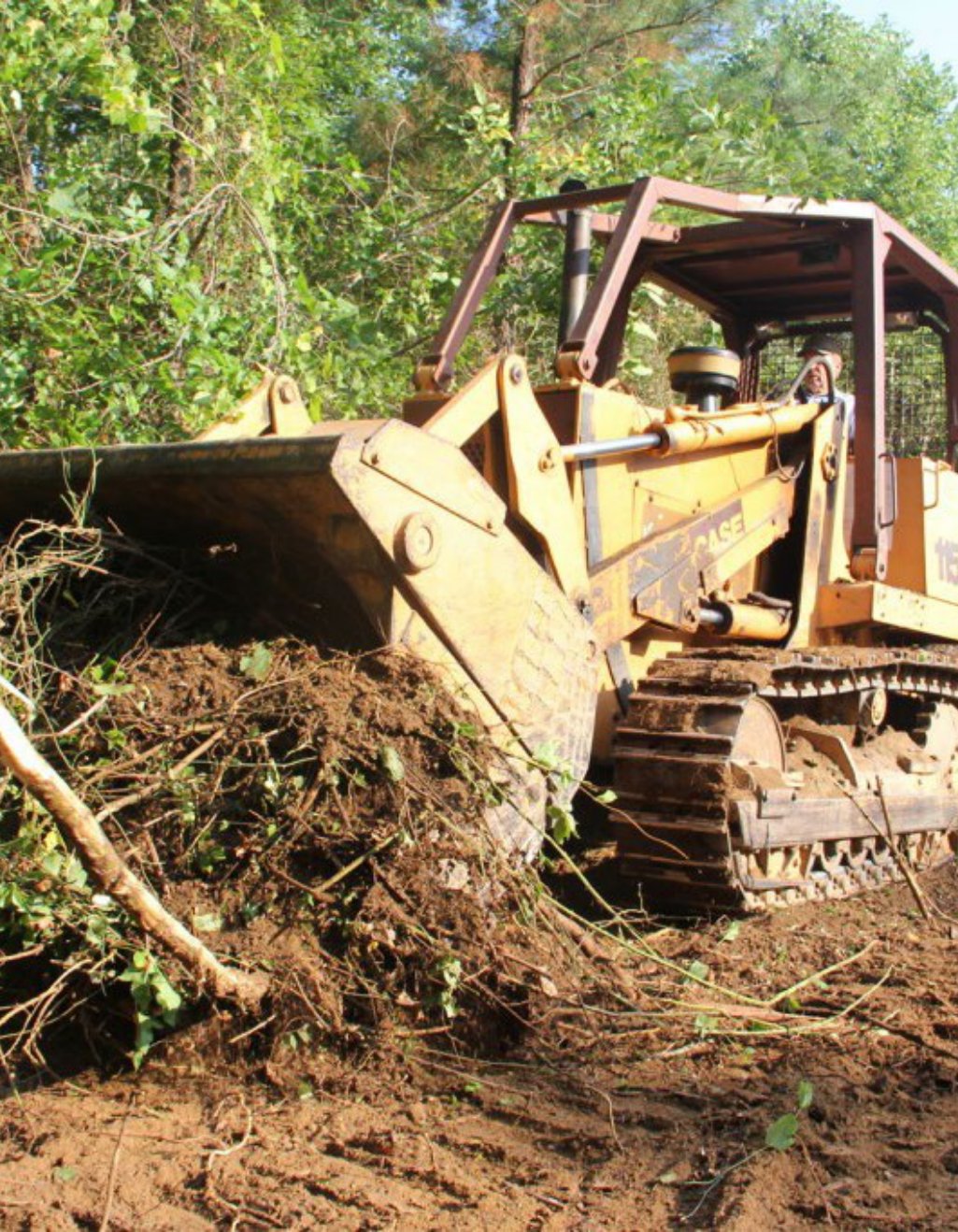
Another advantage of doing this during winter is there are no snakes, ticks, and chiggers to worry about! I then come back in summer to do the “dirt” work. Through years of experience, I am a big fan of using mulching machines when creating new food plots, expanding existing ones, expanding roadsides, or creating new trails. A mulching machine, also referred to as a forestry mulcher, uses a rotary drum equipped with steel chipper tools (or teeth) to shred vegetation. Heavy duty forestry mulchers can clear up to fifteen acres of vegetation a day depending on terrain, density, and type of material. However, 5-8 acres per day is more realistic for most applications I’ve used them. The advantage of using a mulcher is only needing a single machine to cut, grind, and clear vegetation verses needing a dozer, backhoe and farm tractor to do the same job. Mulching is essentially a one-pass and done type process. Because the vegetation is grinded into chips there are no debris or root piles commonly associated with dozer type clearing. Another advantage is mulchers are capable of clearing land of unwanted trees and brush with limited disturbance to soils leaving more nutrient rich top soil and reducing the risk of erosion. From a location and design standpoint, I always consider soil quality, hunting stand placement, preferred wind direction for hunting, hunter access, and obviously what the land, terrain, and habitat will allow. Where possible I try to create linear shaped food plots. Deer, particularly mature bucks, feel more comfortable and secure using linear plots which results in more sightings and harvest opportunities while hunting. Examples of this may include a “turkey foot”, “V” shape, or “hub and spoke” – aka “wagon wheel” shape. When expanding existing rectangular food plots I often add linear “ears” or “fingers” that extend from the core food plot area. In this situation, deer often enter the fingers first then work their way to the more open plot. Regardless of the methods used to clear the land or the shape you design, summer is a good time to conduct this work. Doing so allows plenty of time for working and amending the soil in preparation for fall plantings.
Initiate management of beaver ponds for creating and attracting waterfowl this winter
Similar to cultivated duck ponds and green tree reservoirs equipped with water control structures, beaver ponds can be managed to produce duck food to attract waterfowl and provide great hunting opportunities. If quality mast producing trees are still alive in the beaver pond, manage the pond as a green tree reservoir – meaning apply a slow draw down before spring green-up. While most oak species can tolerate being flooded over dormant season, few do well and often die if their feet stay wet well into summer. If few quality trees exist or if trees are already dead (from constant flooding), you have a few options on management strategies. First, you could drain the pond early in the growing season (at spring green-up or very early summer) to allow natural wetland/moist soil plants to germinate and grow throughout the summer. Many moist soil plants produce seeds which are quality duck foods. A slower draw down over several weeks will result in a more diverse species composition of plants providing a variety of seeds/food. Another option would be to hold water on the pond until mid-summer, drain the pond, then broadcast small grains such as millets. I personally like Japanese millet because it easily germinates on mud flats with little or no site preparation, grows well in wet soils, produces an abundance of seeds, and if water is properly managed it will often reseed the following year. Planting grain in a beaver pond is relatively easy. Simply broadcast seed at the recommended seeding rate per acre onto exposed mud flats. Although not essential to success, it can help. As a side note, I rarely fertilize crops in beaver ponds and have had great success without it.

Now to the hard and messy part – water control. To consistently manage a beaver pond successfully for ducks, it is necessary to drain the pond by breaking the dam and installing a drain pipe. Generally speaking, this means a pipe that extends well into the pond with many perforations to prevent beavers from patching the leak. Although it is messy, and certainly watch out for water moccasin/cottonmouth snakes, breaking a beaver dam is often not as difficult as it seems and can normally be done with a fire rake. Break the dam on the downhill side of the existing channel in the form of a narrow, deep “V”. The initial flow of water through the dam will help clear excess dam materials. Place the drain pipe deep into the break so that at least 10′ of pipe extends into the upstream area. The final level of the pond will be determined by the height of the downstream end of the pipe, or the stand pipe position height. There are many options for beaver pond drain pipes. The key is to install a pipe that is designed to prevent beavers from “patching the hole”, yet does not drain the pond completely so that beavers remain in the pond. Always leave at least 1/3 to 1/2 of the pond area un-drained during drawdown as over-draining may cause the beavers to seek new areas. There are many homemade and fabricated designs that can be found by doing a little internet research. If you do not use a drain pipe that allows you to adjust the water level, you will need to remove the drain pipe approximately 45 days after natural moist soil plants or your planted crop germinates. This will allow beavers to patch the break in the dam resulting in the pond flooding. Using this method often requires re-breaking the dam and re-installing a drain pipe higher in the dam to maintain the desired water level. I like the Clemson Pond Leveler as it is a great and relatively permanent design that allows you to control water levels by adjusting a standpipe on the down-stream side of the dam.
Monitor and control weeds in summer food plots
If you planted summer food plots (which I hope you did), it is important to monitor weed encroachment to ensure you get the most benefit out of your food plots. If you are new to planting summer crops, you will soon become an expert at weed identification and herbicides. Just by nature of the warmer conditions and excellent growing conditions, food plot managers have a tougher weed battle to fight during the summer. There are many summer weeds that will take advantage of the lime and fertilizer you applied to the soil for your summer food plot plants. If left unattended, these weeds can, and will, take over your summer food plot resulting in less quality forage for your wildlife. Make food-plot-specific notes of the weeds you are having problems with so that you can adjust your planting the following year. For example, if you have grass type weed problems (such as Johnson grass), plant a broadleaf crop on that plot so that you can spray grass-selective herbicide to control the problem grasses without harming your crop. Vice versa, if you have broadleaf weeds, plant grass or grain crops so that you can spray broadleaf-selective herbicides. Obviously, another option is to plant “RoundUp Ready” summer crops. Doing so allows you to apply glyphosate (RoundUp) after germination of your crop to kill all competing weeds whether they are grasses or broadleafs. While weeds are persistent, we are smarter!! Anticipating your site-specific weed problems, and planning/planting accordingly will help you make the most of your summer food plots and efforts….It is also less frustrating when you are winning the weed war!
Allow wildflowers to mature and go to seed before mowing.
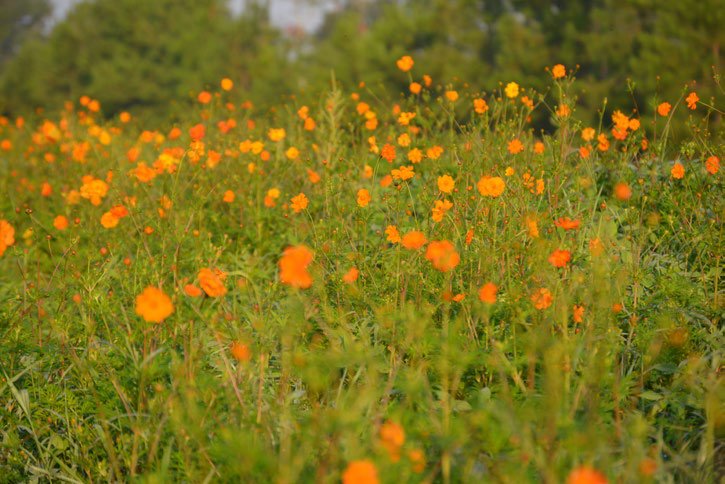
Managing wildflower areas is a great addition to your property management strategies, particularly if one of your goals is improving habitat for turkeys and quail. They not only add aesthetics which adds to your outdoor experience, but the flowers attract an abundance of bugs and insects that are eaten by turkeys and other birds. If you have planted or are managing wildflowers on your property, avoid mowing these areas until seedpods have matured. Allowing the wildflowers to produce seed before mowing will ensure adequate reseeding for a good crop the following year. If you are not currently managing wildflowers on your property, but want to do so, do your homework to determine the best wildflower blend for your particular soil and climate, begin preparing seed beds well before planting time (fall) to create a smooth firm seed bed, and plan to plant them this fall. Due to the small seed size of many wildflowers, a smooth seed bed is critical to success. Rough seed beds often result in seeds getting covered too deeply and will result in low germination rates even if broadcast by hand. Once established, and with periodic management such as mowing, wildflower areas can persist for many years.
Conduct warm season or summer prescribed burns.
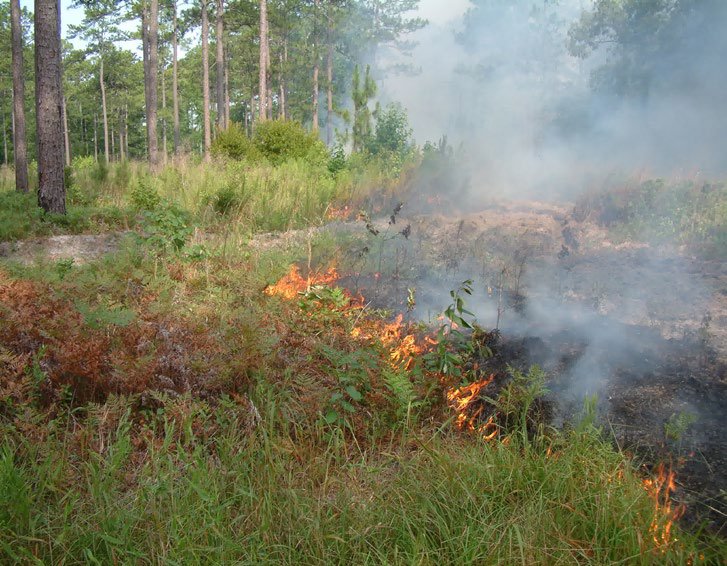
Warm season burns are an exceptional tool for managing quail habitat. Warm season burns are generally conducted from June through August. However, extreme caution should be used when conducting summer burns. Due to higher ambient air temperatures and low relative humidity, summer fires can get very hot and difficult to control. If the area you plan to burn has a heavy fuel load (understory shrubs, grasses, and thatch) or has not been burned in over 3 years, I recommend initially conducting a cool season burn (December – March) to reduce fuel loads before attempting a summer burn. Fire rotations (interval of time between burning the same area again) for summer burns vary depending on your goals and habitat types but are generally every 1-2 years to promote quality wildlife habitat. Regular warm season burns will often promote native warm season grasses that are desirable for quality quail habitat. It is also a good idea to strategically plan your burns so that you always leave some areas unburned. This will help to maintain diverse habitat types which will enhance the wildlife value of the area. Always check local burning laws and consult with an experienced burn manager before lighting a woodland fire. The U.S. Forest Service or your state forestry commission are great sources for obtaining more information regarding burning in your area.
Identify and control invasive exotic plant species.
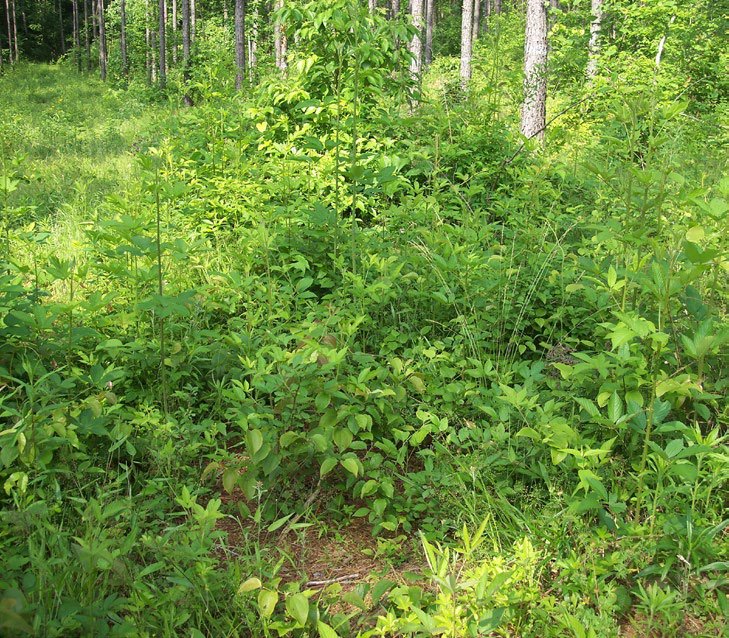
Exotic species are very competitive with native plants and can take over your property and compromise habitat quality. The best time to control or eradicate exotic plants is often during the growing season. Strategies to control these plants vary depending on the species at hand. However, herbicide (and fire in some cases) will likely be the tool of choice. It is much easier to control exotic species if you catch them in the early stages of colonization. Once they have a foothold, eradicating can be extremely challenging. Some of the common invasive exotics in the Southeast include Cogongrass, Chinese tallow tree, Kudzu, Chinese Privet, Chinese Lesedeza, and many others. A great field guide to keep on hand is Nonnative Invasive Plants of the Southern Forest by James H. Miller. You can get this publication from the USDA Forest Service – Southern Research Station at Auburn University or visit http://www.bugwood.org/weeds/forestexotics.html. This guide has information regarding identifying invasive exotics as well as methods of controlling them. Another resource is the Florida Pest Plant Council – www.fleppc.org. It is also wise to consult with a professional herbicide applicator before deciding which herbicide and method to use. Besides the complex world of herbicides themselves, mixing and applying them can sometimes be complicated as well.
Manage logging decks for wildlife habitat
If your property is in the Southeast, chances are good that you have logging decks (aka loading decks) scattered across the landscape. These are small areas/openings in the woods that are used to bunk, de-limb, cut, and load harvested trees onto logging trucks to be transported to mills. After timber harvest is complete, these areas can be managed many ways to provide additional wildlife habitat. One common strategy is to convert these openings into food plots which can be planted in a variety of forage or seed producing crops to provide an additional food source for wildlife. However, because of the annual (or seasonal) effort required to properly plant and grow quality food plots, and due to the fact that such small areas are vulnerable to over-browsing significantly reducing the amount of nutrition provided, I generally do not use them for food plots. Two of my favorite management strategies to enhance wildlife habitat on logging decks are maintaining them in early successional habitat or planting them in wildflowers. Maintaining them in early successional habitat simply means periodically disturbing the area to keep the plant community young and actively growing. Common practices used include mowing, disking and burning. Of these, I prefer burning followed immediately by light disking every 2-3 years. The local soil, seed bank, climate, and timing of management will dictate the vegetative community that colonized after disturbance. However, generally speaking a multitude of early successional plants will occupy the area providing both food (browse & seeds) and cover. Once the vegetation gets 4-5 feet tall (normally 2-3 years after initial disturbance), re-apply management strategies to knock everything back and start it over. Another one of my favorite uses of logging decks is to establish them in wildflowers. After the initial soil preparation and planting, managing wildflowers is relatively easy and requires little effort. In most cases, mowing and possibly light disking is all that is required to keep wildflowers flourishing.
Plan now for late summer trail cameras – Create mineral licks
While the nutritional benefits of providing mineral licks for deer have not been well studied, they are cheap to create, deer use them, and they do not appear to have any negative nutritional effects. In fact, most deer biologists think there are nutritional benefits of providing minerals for deer. You can create a mineral lick using commercial blends of dry minerals and/or placing mineral blocks in desired locations around your property. I have had great success getting deer to use commercial mineral rocks, such as Bio-rock or Trophy Rock, throughout summer and into early fall. Using a mineral lick or salt rock is also a good way to reduce bear or hog problems commonly experienced when using corn. Deer tend to use mineral licks the heaviest from summer through early fall. The key however, is to establish the mineral licks early in the summer to allow deer time to find them and begin using them. My experience with mineral licks has been that the longer they have been established, the better they are. Rains dissolve the minerals and saturate the stump or area they are placed. Evidently “leftover” minerals or salt that attracts them lingers and deer often come back to the same site the following year. Having said this, corn is still the “go to” attractant if you are conducting a true camera census on a property, but mineral licks offer a cheaper way to get deer in front of cameras for “casual” photographing. If your property is in a state where “baiting” with corn is illegal, and you plan to conduct a camera survey or install cameras in early fall to photograph bucks, get mineral sites established now so that deer are using them during later summer/early fall when you want to photograph them.
