
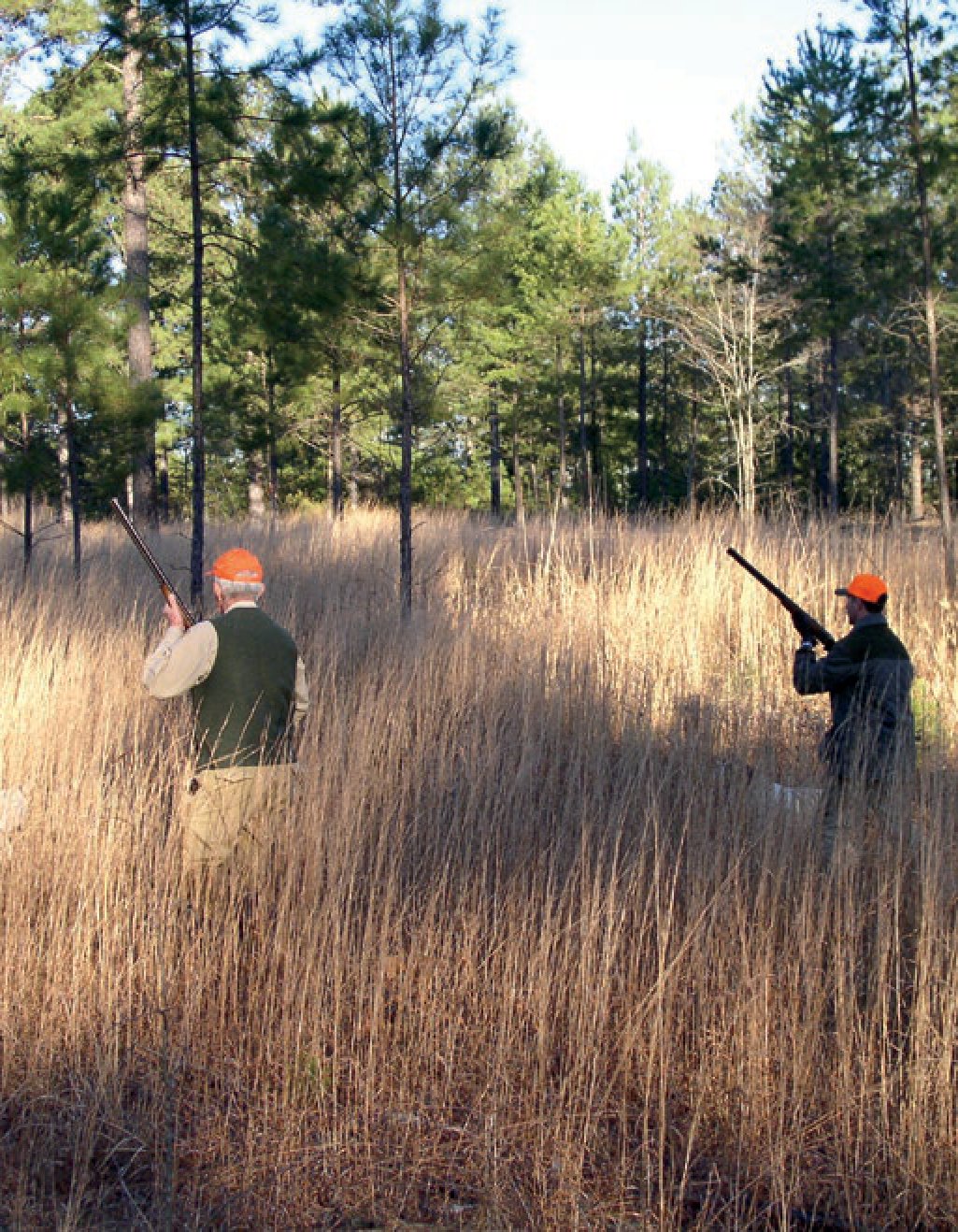
Owning your own piece of property is one of the goals of many outdoorsmen and women. The reasons why people want to own their own property are many. Having control of and enjoying the benefits of rural land is a great way to enjoy the fruits of an investment. Owning rural land, whether farmland, timberland, or pastureland is considered by many as a great alternative investment to stocks and bonds. Many buy rural land for the benefits of hunting, fishing, hiking, weekend getaway or other outdoor activities as well as the ability to do their own wildlife management on the property. Being a good steward of the environment gives many a reason to manage their own property as well as having a hobby farm and growing their own food. We have talked with many landowners who never realized how rewarding the land management and ownership was until they acquired their own property while still benefiting from the fact that the property is a great financial investment. As an investment, land is a finite resource and will always be in high demand.
As realtors as well as land management professionals, we have helped a lot of people realize their dream of land ownership and management. However, searching for the right piece of property can be daunting. It is important to know what kind of property you want, what size and price you can afford and a general to specific area that you want it to be. When researching to buy land it is important to understand the benefits and challenges facing property ownership and recognize the details that are of utmost importance in land planning, development and how soil types, topography and location impact timber, agriculture, wildlife and property values.
Through the advice of a real estate professional who specializes in land, clients can get a broad range of services. Services provided may include information about timber, agriculture, recreational hunting, and rural residential properties. They may also give an overview of the latest trends in property values to help make more informed decisions based on current market demands, future property values, and recent land sales comparables. Additionally they may use high resolution GIS and GPS mapping for multiple layer maps to show timber inventories, agriculture fields, soil types, wildlife habitat, road projects and pond sites. They can also assist in evaluating USDA farm and conservation programs that might be available and which programs would work best for your goals. Making smart profitable investment decisions are no different than any other type of investing. It starts with the right property at the right price, a strategic plan and a good networking source to help achieve your goals.
“Ninety percent of all millionaires became so through real estate”
– Andrew Carnegie
Why consider investing in rural land?
As an investment asset class, land generally supplies competitive returns, a steady income, especially farm and pasture land, as well as being a long term investment that can add diversity to an investor’s portfolio. Regular timber sales, annual farm rent or crop payments, cattle sales, annual hunting lease income, pine straw sales, etc are all common income streams. Land also tends to not rise and fall with other asset classes like equities. Let’s look at the common land ownership types.
Timber
Southeastern forests generally put on physical growth at a rate of 5% to 8% per year. They grow through recessions, wars, market crashes, etc, so an investment in timber has a built in biological growth factor year after year. Biological growth accounts for over half of the returns available to timberland owners. According to a recent article in Money Morning .com, “Since 1910, the value of timberland as an investment has risen faster and with less volatility than stocks as measured by the Standard & Poor’s 500 Index.” Since 1987 the Timberland Index maintained by the National Council of Real Estate Investment Fiduciaries (NCREIF) has risen roughly 15% per year, compared to an annualized return of just 9.61% for the S&P 500. Timber investing has proven to be particularly profitable to investors during bear markets. During the Great Depression, when stocks plunged more than 70%, timber investments gained 233%.
A unique advantage timberland investing has over other commodities is that timber does not need to be harvested at the end of a growing season. If timber prices are down, timber can be “stored on the stump” in Mother Nature’s warehouse and will continue to grow and increase in value until the owner decides it’s time to harvest. This characteristic of timber investing provides the landowner maximum flexibility when it comes to the timing of harvesting decisions.
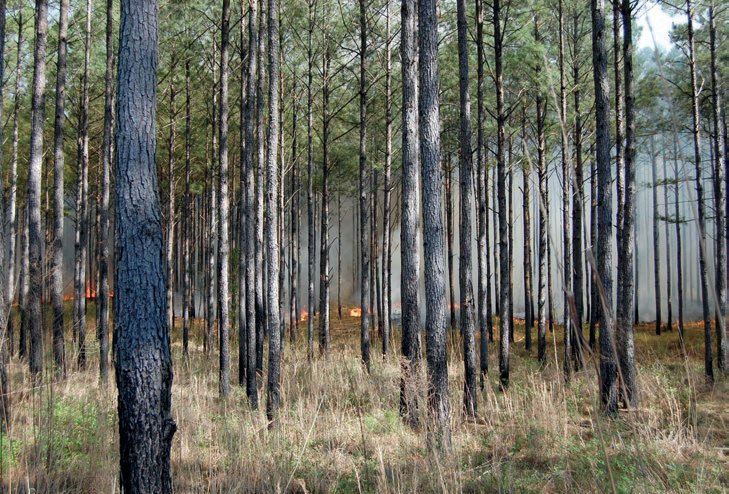
Timber is also sustainable and not depleted by harvesting. Trees NEED to be thinned every few years to keep the stand healthy and growing. Alabama currently ranks 2nd in the nation for commercial forest land with 22.9 million acres. The state’s rich soil types, mild climate, abundant rain fall, productive tree species and an efficient infrastructure of wood mills and markets makes Alabama timber land a good solid investment. One consideration is “management”. According to University of Georgia research, managed timberlands return four times greater returns than non-managed lands.
Farm Land
High-quality farmland can generate a 2 to 4 percent annual cash-on-cash return with low volatility. Compare that to a yield of less than 1 percent on six-month Treasuries. According to NCREIF, farmland returned 12.5% per year (in appreciation and income) over the last 20 years. The supply of farmland is limited in the United States and about one million acres of farmland per year are being converted to shopping centers, housing developments, and commercial property. And, while the amount of farmland in production decreases annually, the world’s population continues to grow at a steady rate. On average, farmland value has a long term appreciation rate of about 5% to 6%. As the acres of cropland in production decreases, agriculture land will likely continue to appreciate at an even faster rate due to the increasing world demand for food and fiber.
Hedge Against Inflation
Land investments have traditionally been used as a hedge against inflation. At the same time, financial assets (securities such as stocks and bonds) typically lose value with inflation. Historically, timber prices paid to the landowner have beaten inflation by 3% a year. While land investing is not a get rich overnight scheme, it does represent a solid way to diversify an investment portfolio. One of the biggest returns on investing in land is enjoying the great outdoors and spending quality time with friends and family. Try doing that with your stock portfolio.
Recreational land values
The vast abundance of timber and farm land in Alabama combined with a mild climate and diverse wildlife habitat is host to some of the highest populations of wildlife in the nation. Wildlife such as whitetail deer, eastern wild turkey, waterfowl, upland birds, small game and excellent fresh water fishing combined with one of the longest hunting seasons and some of the most generous bag limits in the nation translates into a $2.7 billion dollar recreational hunting and fishing industry for Alabama.
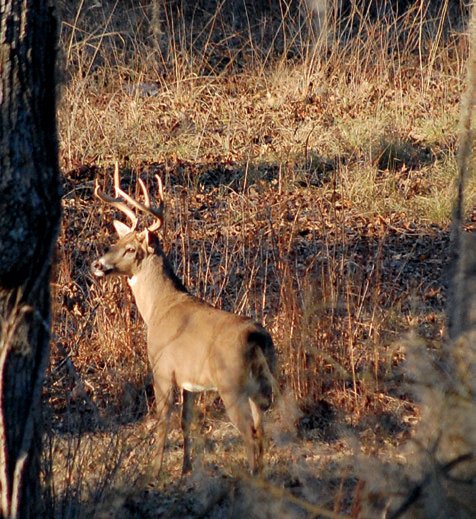
Landowners that do not wish to take advantage of the hunting recreation value of their property themselves can lease the hunting rights for additional income. Due to the great demand for hunting land to lease, hunting leases alone can generate a return in excess of 1% annually, usually more than enough to pay the owner’s property taxes . This revenue reduces the carrying cost of hunting land and with a well-structured hunting lease can help preserve and enhance the property’s recreational value.
When purchasing a hunting/recreation property you are not only making a monetary investment in a piece of land, you are also obtaining ownership of a piece of the outdoors where you can spend time with friends and family. We all have the opportunity to make more money but the limited time we spend with friends and family creating memories on our own land is priceless. Finding the right property that achieves the goals of clients sometimes takes time. It is an important decision and you must be committed for the long haul to find the ideal property.
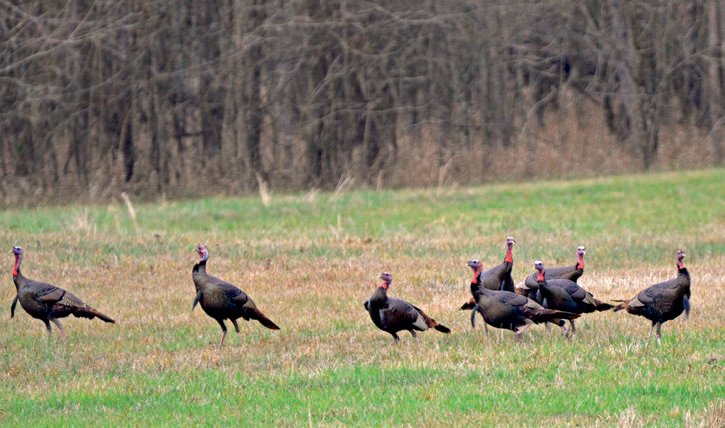
Taking a “rough” unmanaged piece of timberland and fixing it up to create a hunters paradise is also something that is enjoyable to land owners as well as a good investment in resale value. Spending weekends with the family planting, clearing brush, gardening or burning is a great way to spend quality time together. We have seen many properties that are unburned, unmanaged, have roads that are choked by brush, have fields with thick saplings all along the edges and you cannot see through the woods anywhere. It is easy to see opportunities for improvement here!
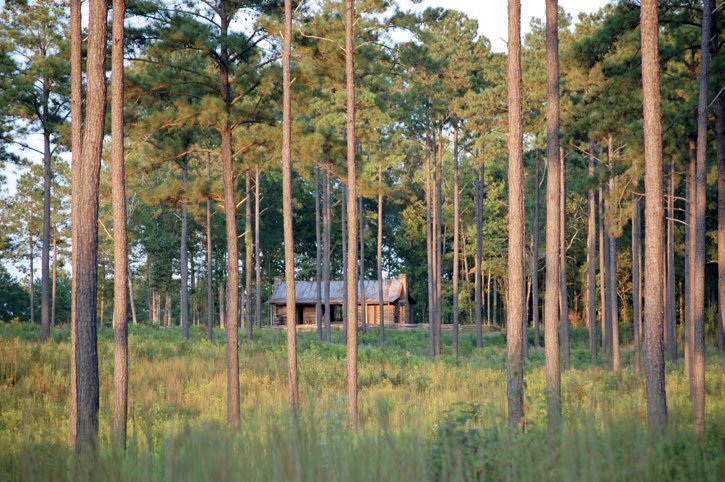
One of the biggest values we see that buyers appreciate is the ability to see the woods. Woods that are choked up with brush and saplings, or are unthinned, are unattractive and unproductive for wildlife. By burning and clearing or thinning the timber to allow the woods to open up, you can not only increase aesthetic value, you increase land and wildlife value as well. The idea is to get a “pretty woods” with lots of grass on the ground so you can see off in the distance. Obviously, this helps hunting as well by not only helping maintain higher wildlife populations but allowing you to see them regularly.
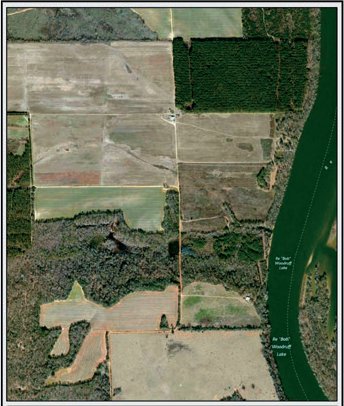
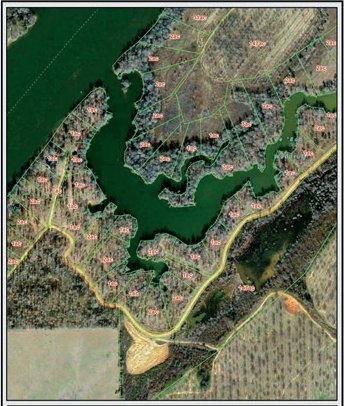
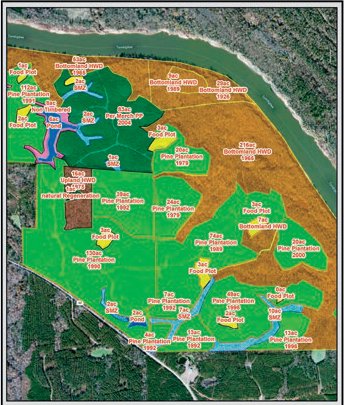
Using ARCGIS as a mapping tool
ARC GIS Mapping Service Assists Buyers and sellers in Land Purchase and Management Decisions
As the old saying goes, a picture (or map) is worth a thousand words. Mapping with ARC GIS mapping services helps buyers and sellers make more informed land buying decisions and provide them with more property information to make more informed management decisions.
Some mapping capabilities include:
- Create maps with multiple layers that interact with data by generating reports to help Buyers and Sellers make more informed decisions.
- With ARC GIS mapping software acreages can be estimated. Property features such as: timber stands, open fields, water features, roads, hydrology, topography, soil types, buildings and other improvements can all be included.
- Use GPS in real time in the field with ARC GIS to georeference property features.
- Transfer property metes and bounds legal descriptions to georeference maps.
- Large data base of high-resolution georeference orthophotography aerials.
- Contract custom orthophotography aerials with local flying services for updated mapping.
- Create custom maps for marketing information packages.
- Use ARC GIS to create property division maps for dividing property and subdividing with sub-meter GPS.
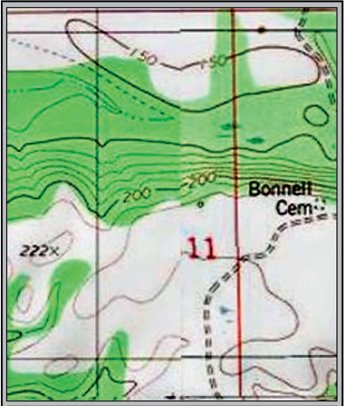
Things to consider when buying or selling
Buying:
- Is there a current survey on the property?
- Are boundaries marked in some manner?
- Do you have Financing?
- Is there a timber inventory?
- Are there any good local and representative comparable sales information available?
- For deer or turkey hunters, is it in an area that is capable of producing the quality of bucks that you want or an area known for abundant turkeys? Neighbors have a strong influence here unless the property is large.
- What are the neighbors like? Several large landowners that are managing wildlife similar to what you want to do is ideal.
- Is security in the area an issue?
- Is there a high fence on one or 2 sides of the potential purchase? This will influence game movement.
Selling:
- Display unique qualities of the property prominently. Things like nice a lodge or cabin, waterfalls, entrance drives, rivers, lakes or ponds, old mines, cliffs, pretty woods, should all be highlighted.
- Make sure any trash, trashy areas and dumps are cleaned up.
- Make sure roads are cleared, open, and passable and gravel muddy spots. We often use a mulcher to clear roadsides to make driving through properties easier and more attractive. Open and showcase pretty, long distance “views” and vistas, whether through woods of high points.
- People like water features. Rivers, ponds, lakes, shoreline are all attractive features to be sure to show off. Highlight these and show on a topographic map where additional ponds could be located if needed.
- For wildlife oriented properties, game cam pics or pictures of harvested deer and turkeys are an asset. Harvest data (how many, sex, weights, antler measurements, etc.) are good indicators of animal quality. For other properties, numbers estimates or population surveys are helpful.
- For timber tracts, inventories of the standing timber as well as past harvest and planting schedules, burning rotations, etc are all helpful to potential buyers.
As you can see, there is a lot to consider whether you are buying or selling rural real estate. We would suggest working with a competent real estate professional to make it easier to look for the right things and consider all the alternatives.
At National Land Realty, we have a strong regional and national influence. In 2015, over $110 million and over 25,000 acres of land were sold. National has 22 offices in 9 states to assist both buyers and sellers in their potential investment.
“The major fortunes in America have been made in land”
– John D. Rockefeller
