If you own or lease property for hunting or other outdoor recreation, considering the impacts from non-native invasive species is crucial for maintaining the integrity of that property for wildlife habitat and personal enjoyment. Species that are not part of the natural ecosystem in an area are considered non-native. If there are no natural controlling factors to limit their spread, these same species can become invasive and out-compete native flora or fauna. Non-natives can include aquatic and terrestrial plants, animals, insects, diseases, fungi, fish, and bivalves. Usually, the worst offenders are from overseas and include hundreds of plants as well as some animal species that were deliberately or accidentally imported to the United States and were released or escaped. Most people have at least heard the horror stories about some type of invasive species such as the Burmese pythons eating endangered species in the Florida Everglades and threatening people. Others don’t make the news as often but still take their toll on the environment and cost landowners and the government millions to control. If non-native invasives are not controlled on a property, that tract will not reach its full potential and wildlife will suffer as a result. Hunting and viewing opportunities invariably will decline as well.
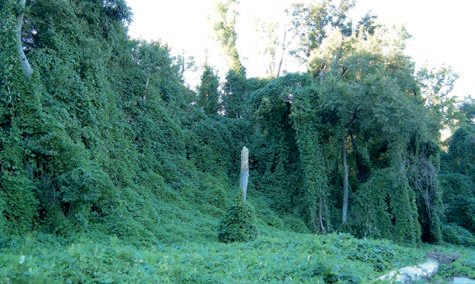
The most species on the government’s non-native invasive “hit list” are plants. Typically, exotic trees, shrubs, grasses, and forbs replace the native vegetation that wildlife use for nesting, food, and shelter, leaving wildlife more vulnerable to predation or nutritional stress. Some non-native invasive plant fruits and forage are either lower in nutrients than their native counterparts or are outright poisonous. Therefore, in the case of non-native invasive plants, there are several that landowners especially need to consider as they can affect wildlife habitat on their property. One of the best known is kudzu. Although this vine is known as relatively good deer forage and fawn bedding cover, it overruns native vegetation, smothering and killing it. When it interferes with plant diversity, all wildlife suffers. Other vines of concern are English ivy, Chinese wisteria, and Japanese wisteria. As ivy climbs over vegetation, it strains the host so that vigor is decreased while the possibility of windthrow is increased. Ivy also harbors the bacteria that causes leaf scorch in oaks, maples, and elms. These mast-producing species are critical to mammalian and avian species, and without them, stand diversity and habitat quality decrease. The exotic wisterias (not to be confused with our milder-mannered native wisteria) are stranglers that can kill the host tree they engulf, again reducing natural cover and food for wildlife species.
Credit: Wikipedia-Scott Ehardt, 2006 Credit: Wikipedia-Stephen Ausmus, USDA, 2006
Several trees and shrubs of concern include Chinese tallow (popcorn tree), tree-of-heaven (Chinese sumac), privet, autumn and Russian olive, and sericea lespedeza, and bicolor lespedeza. Tallow trees are prolific re-seeders in bottomlands and coastal areas that can quickly invade previously undisturbed forests and shift the regeneration of native trees to this less preferred exotic with little wildlife value. Tallows even take it a step further by altering the soil composition with their leaf litter which is high in tannins. The tree-of-heaven is a thicket forming species that can quickly transform an opening to a monoculture of worthless saplings while the various exotic privets invade the understory and shade out regenerating native species.
Unfortunately several species that were once recommended for wildlife plantings have been found to be invasive. “Quick fixes” for enhancing wildlife habitat can create more problems than benefits. For example, autumn and Russian olives produce fruits that were recommended as quail and black bear food but have demonstrated a propensity to form suckers that can quickly spread and take over natural areas. Also, recent research shows that sawtooth oaks are able to escape cultivation and may pose a threat to native oak communities. Instead, choose to plant or enhance native thicket-forming species like wild plum and native soft and hard mast species like persimmon and white oak. Many of these species can be transplanted from one part of the property to another or ordered from commercial vendors.
Two other non-native plants often touted in the past as great for wildlife are sericea lespedeza and bicolor lespedeza. Although still widely utilized as quail cover and a food source, both species often encroach into other natural areas and form dense monoculture stands that prevent forest regeneration. Bicolor can be further spread by prescribed fires, making it a nuisance in pine plantations especially areas utilized for pine straw harvesting or native grass/forb cover for wildlife. Sericea seeds can remain viable even after lying dormant in the soil for decades, making eradication difficult due to the constant germination of new stands. The lesson learned here is don’t take a chance with exotic species; stick to the natives and err on the side of caution!
Grasses such as cogongrass can form dense mats with which native vegetation cannot compete for space. Congongrass is probably the most feared of the grasses as it is so prolific and is so final in its takeover of native habitat. A relative of this Imperata species even lurks in our gardens—Japanese blood grass—which is available commercially for landscaping. Buyer beware for those wanting to protect the integrity of the surrounding landscape from homesite escapees! Cogongrass can invade pine plantations causing timber production to decrease up to 20%. It spreads by rhizomes and seeds, the latter of which have been known to travel several miles on the wind. Rhizomes of less than ¼ inch in length have been known to re-sprout. Not only does cogongrass survive fire, it thrives when burned. Where it occurs, it is considered a fire hazard as it burns hotter and can increase the risk of crown fires when it occurs in woodlands. Cogongrass leaves contain a lot of silica and are therefore not a forage wildlife can utilize. In addition, dense stands impede quail chick and turkey poult movement.

Credit: Bill Lamp, Georgia Forestry Commission, 2007
http://www.gfc.state.ga.us/ForestManagement/Cogongrass.cfm
Another mat-forming grass is tall fescue. Commonly known for being too thick to allow quail chicks to travel through or ground-nesting birds to nest in, it also harbors an endophytic fungus known to decrease the reproductive potential of any rabbit that feeds on it. For the rabbit hunter, this can be a serious concern. Bahiagrass and Bermuda grass are two other non-native invasive grasses that provide little for wildlife as compared with their native warm-season counterparts such as the bluestems.
Whether it is a forest or an opening that is altered, the wildlife species that depend on these specific habitats for their life cycles suffer as native vegetation, with which they co-evolved, declines as noxious plants take over. Fortunately, there are herbicides that can control or eradicate these plants when applied correctly to leaves, stems, or stumps. Proper rates, conditions, and times also are important for the success of the treatment. Remember to always read and follow label instructions. If you find any of these above mentioned non-native invasive plants on your property, take immediate steps to control them before they spread further.
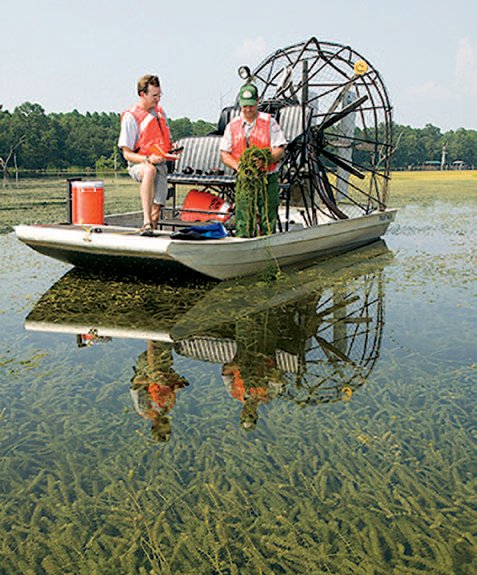
Non-native invasive plants are not limited to the terrestrial variety. Several aquatic species are making their mark—a scar—on the landscape. Most notable are the fast-growing hydrilla and water hyacinth. Both can form dense mats that clog waterways and inhibit the growth of native plant species by shading them out. When native plant species are diminished, so are the fish and aquatic insects that feed on them or find shelter in their roots. Water temperatures and pH levels can rise while oxygen levels decrease, further making the water body inhospitable to native aquatic life forms. For the landowner who has worked hard to establish a quality bass pond, the arrival of such noxious weeds can spell disaster for the fish populations and trying to navigate a boat through the mess. As if to add insult to injury, mat-forming exotics can effectively shelter mosquito larva that, once in adult form, can become an unbearable nuisance for the fisherman. Aquatic herbicides are the best option for removing hydrilla and water hyacinth.
Credit: Wikipedia-Scott Ehardt, 2006 Credit: Wikipedia-Stephen Ausmus, USDA, 2006
There are even non-native, disease-causing fungi that can infect native tree species and reduce vigor or kill the tree. Some have treatments available while others are still being researched. It is important to be aware of spreading threats such as these so that you, the landowner, can be vigilant and encourage researchers to develop control methods. When trees that are essential for wildlife are lost, the loss of mast can be devastating on the animal species that depend on them and for the long-term survival of the tree communities themselves. One of the Sirococcus fungi causes a disease called butternut canker that girdles the tree, eventually killing it. It is estimated that 80% of the butternut trees in some states have died due to the disease. Butternut (white walnut) produces a nut that is eaten by squirrels, rodents, and deer during the early Fall. Without this important source of mast, the variety and availability of food options declines for wildlife in canker-infested areas.
The threats to important wildlife trees don’t end there, though, as Dutch elm disease, chestnut blight, and sudden oak death continue to decimate forests. Additionally, one of the Ophiostoma species of fungi is responsible for the death of redbay and sassafras trees across the South. The vector for the fungi is an exotic Asian insect known as the redbay ambrosia beetle. Redbay trees are an important wildlife food in that deer browse the leaves and the fruit is consumed by turkey, quail, and deer.
Sassafras is also browsed by deer and the fruit is consumed by squirrels, raccoons, black bear, turkey, quail, and several songbirds. The USDA is working on ways to combat these and other diseases in our forests and woodlands.
Obviously, insects can be vectors of a disease as in the case of the redbay ambrosia beetle, or they can be the problem themselves. Red imported fire ants are responsible for the destruction of the eggs and nestlings of many ground and shrub-nesting birds including species of conservation concern such as the Bobwhite quail and endangered species such as the golden-cheeked warbler and black-capped vireo. Even cavity nesters are not safe. Woodpeckers, Eastern bluebirds, purple martins, and great-crested flycatchers have succumbed to fire ant attacks. Fire ants also attack wild and domestic mammals and the nests of reptiles. They can be a headache for landowners who have to dodge mounds in fields on their properties in or to avoid painful stings. Several products are on the market to help control this species but in the meantime, the red imported fire ant continues to expand its range northward.
Gypsy moths are also expanding their range south and west. The current estimate is that by 2005, they could reach Georgia. The larvae of these moths preferentially feed on the foliage of oaks, birch, poplar, sweet gum, and hawthorn (to name a few) but are know to attack hundreds of other tree species as well. Entire sections of forest can be defoliated by an infestation which can stress the trees over time and eventually kill them. The loss of large sections of hardwoods as well as the shelter they provide can greatly impact wildlife species. Several pesticide options are available but be aware that they can also kill non-target, beneficial species like bees if not used appropriately. Along the advancing front of the range, the USDA is using pheromone traps to locate and then eradicate or suppress colonies.
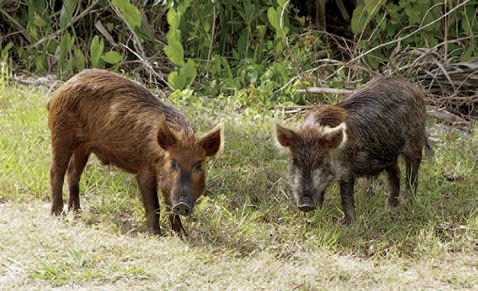
Moving from the plants and fungi to the animal kingdom, one of the biggest problem species in the Southern states and California is wild pigs. Many of these pigs are descended from domesticated stock that escaped or were turned loose to forage for themselves (especially in the Southern swamps and bottomlands). Unfortunately, many near-sighted individuals and even a few state game agencies released Russian boar into areas to enhance hunting opportunities. These bred with the local population creating hybrids in some places.
The wild pig is a formidable animal to hunt, but their detrimental impact on the natural environment has since become crystal clear, albeit too late. Being omnivores, feral pigs will eat acorns and other plant material (wild and cultivated) that deer, ducks, bear, and turkey rely on to survive. Wild pigs also eat the eggs of ground nesting birds such as turkeys and quail, small reptiles and amphibians, and fungi that box turtles and squirrels utilize for food. They have even been known to dig up and devour endangered sea turtle eggs along beaches! Rooting by feral pigs can destroy sensitive habitats while they consume rare plants and animals in the process. Pig wallows foul water sources important to aquatic life and used as drinking holes by other wildlife species. Many landowners know the frustration of planting a food plot (e.g. chufas) only to have it torn up by feral pigs. Because of the damage they can do to habitats and the way they compete with native wildlife for food, landowners should eradicate this pest species from their property. Trapping and hunting have proven to be successful, especially if the neighboring landowners are involved. Check your local game laws in case there is a season on wild pigs. In some instances, depredation permits may be issued.
Credit: Wikipedia-NASA, 2005
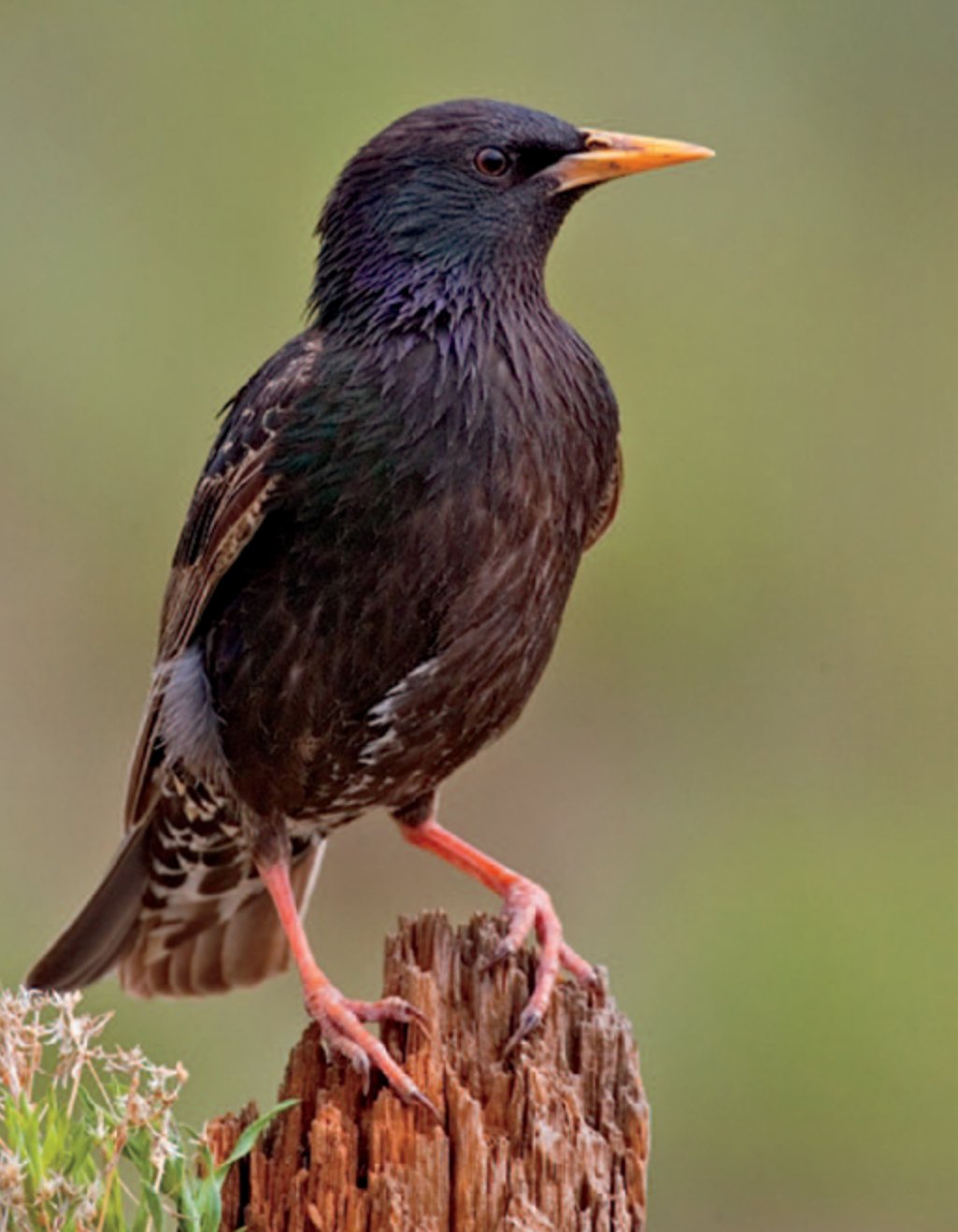
Even the avian world has its share of exotics that wreak havoc on our local habitats and species. Resident Canada geese fowl waterbodies and openings with their feces and compete with native species for foods. European starlings take over nest sites typically used by bluebirds and purple martins, often forcibly removing or killing the occupants (eggs, nestlings, and even the brooding females). House sparrows also compete with native cavity nesters for sites. Like most exotics, they also compete with native birds for food resources such as become naturalized in the Southeast include the coyote from the Midwest, nine-banded armadillo from Mexico, and several common wildflowers from various regions. Sometimes these species are incorporated into the ecosystems they enter while other times they disrupt them. Also, native species can become overly abundant and limit diversity. Two prime examples are the plant genus Baccharis and the green sunfish. Baccharis species are shrubs that are nesting substrates for songbirds and can be utilized for erosion control. However, they can multiply quickly and form dense stands in undesirable locations. Green sunfish are an undesirable bream species that often show up in stocked ponds. They often prey on other species’ young and can outcompete desirable species for food and spawning grounds. Then there are the wildlife-friendly but “misplaced” species such as in the example of a food plot overrun with maypops (passion flower).
Learning how to read the layout of your property is essential to best utilize natives where they already naturally occur in abundance as well as where they are most wanted and needed.
Ways that the landowner can avoid bringing non-native invasives onto his/her property include familiarizing themselves with what the USDA considers the most noxious weed species in your area. Each state’s list of non-native invasive plant species and the laws governing them are available online at http://aquat1.ifas.ufl.edu/node/634. In addition, many Native Plant Society websites have more extensive lists of plant species to avoid. Use native species of plants to enhance wildlife habitat. These species are already acclimated to the growing conditions of the regions in which they occur and often require less maintenance (fertilization and water). Plus, the wildlife are already used to them as a food or shelter source. In addition, clean all boats, equipment, boots, etc. before moving from an infected site to your property. Never import/relocate for release non-native wildlife. In many states, it is illegal. As for aquatic species, never empty bait fish into a body of water unless that is where they derived. Get involved with local and national initiatives to ban the import and transport of non-native invasive species. Remember, a responsible property owner takes care of the environment and takes pride in his/her land.
References
Center for Invasive Species and Ecosystem Health. 2009. University of Georgia. http://www.invasive.org.
Davidson, W. R. and V. F. Nettles. 1997. Field Manual of Wildlife Diseases in the Southeastern United States, 2nd ed. Southeastern Cooperative Wildlife Disease Study. University of Georgia. Athens, GA. 417 pp.
Miller, J. H. 2004. Nonnative Invasive Plants of Southeastern Forests. USDA Gen. Tech Report SRS-62. 93 pp.
Outdoor Alabama. 2008. Green Sunfish. Online at http://www.outdooralabama.com/Fishing/freshwater/fish/bream/green/.
United States Forest Service, Northeast Research Station. 2003. Gypsy Moth in North America. http://www.fs.fed.us/ne/morgantown/4557/gmoth/spread/.
United States Department of Agriculture, Natural Resource Conservation Service Plants Database. 2009. Online at http://plants.usda.gov.
Whitaker, J. O., Jr. and W. J. Hamilton, Jr. 1998. Mammals of the Eastern United States, 3rd ed. Cornell University Press. Ithaca, NY. 583 pp.
Wynne, F. Removal of undesirable fishes from warmwater ponds. Kentucky State University Cooperative Extension Program. http://ces3.ca.uky.edu/westkentuckyaquaculture/. (Link to article is on this page.)
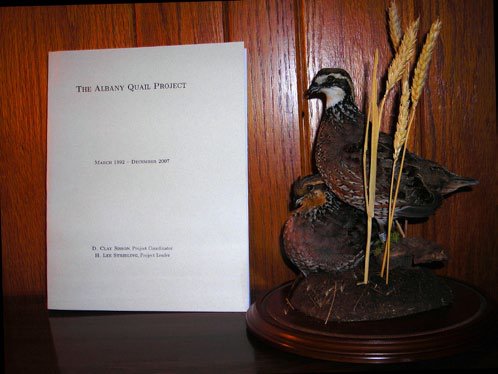
THE ALBANY QUAIL PROJECT TALL TIMBERS MISCELLANEOUS PUBLICATION NO. 18
The Game Bird Program at Tall Timbers Research Station is proud to announce a new book by Clay Sisson and Dr. Lee Stribling. The Albany Quail Project became part of Tall Timbers in January of 2008 with the book being a compilation of all the printed material produced by this project during their tenure with Auburn University from 1992-2007. Included in the 446 page book are all 23 issues of their newsletter, two dozen popular articles from outlets such as Quail Unlimited and Wildlife Trends, 20 scientific papers from various outlets, and the abstracts from their graduate students Theses and Dissertations. To obtain a copy visit talltimbers.org and look under Information Resources for Tall Timbers Miscellaneous Publication #18.