
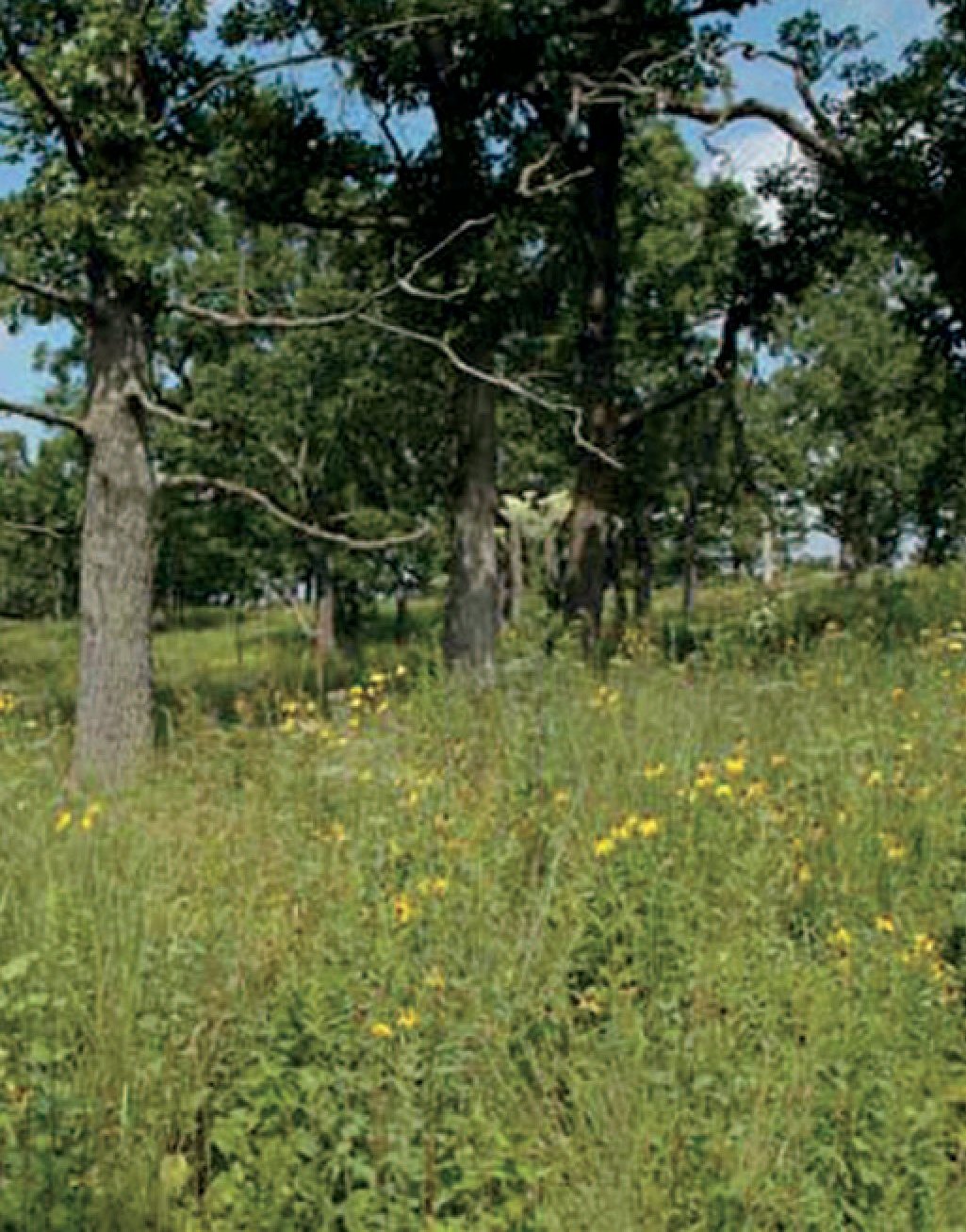
Hardwood savannahs, oak glades, oak ridges. This habitat type is little known and seldom managed, but is a very welcome addition to forest managers with an interest in wildlife and aesthetics. Savannahs or glades are defined by an open tree canopy characteristic and depend on regular burning to maintain them. BUT, you say, you can’t burn in hardwoods, you damage the trees! We burn several thousand acres every year and regularly hear that you can’t burn hardwoods. Hardwood stands can be burned without damage, however if not careful when burning hardwoods you can cause a lot of damage. A lot depends on timing and moisture conditions to burn correctly and care must be taken to burn correctly.
Woodlands are, obviously, well stocked with trees and the canopy of the timber shades the ground. Often, woodlands have a well developed mid-story of saplings and shrubs (dogwoods, sapling hardwoods, wax myrtle, etc) which further capture and inhibit sunlight from reaching the ground. Prairies are defined as essentially treeless grasslands where the groundcover receives full sunlight. Savannahs basically fall in between these 2 descriptions with 30-70% of the groundcover receiving full sunlight at mid-day. Savannahs can be wooded with pine, hardwood or both pine and hardwood, but the characteristic that makes them beneficial for wildlife as well as extremely aesthetically pleasing is the grassy understory they support.
Historically, savannahs and prairies were very common prior to white settlement in the southeast. Early explorers described vast acreages in the piedmont and coastal plain that were “scatteringly planted with large trees” and covered with prairie grasses on the ground. While it is commonly thought that the “virgin” forests that early settlers found were dark hardwood forests from the Mississippi to the Atlantic, more common were descriptions of sunny, open woodlands of pine and oak where deer, turkeys, panthers, bears, elk and bison abounded. Indian settlements and fields were scattered throughout and the woodland burning conducted by these native people as well as lightning strikes kept these woods in this open condition. Tree species that the early explorers described also indicate this same condition with “fire-tolerant” species being most common. Various pine species, especially longleaf, as well as post, blackjack, southern red, white, and black oaks, dogwood, hickory, and various other “thick barked” hardwood species were very common.
Over thousands of years of human and natural fire, these savannahs were developed. Indians used fire to maintain the open, grassy conditions to both produce abundant game and also to help their visibility for hunting. Regular burning over vast acreages kept regeneration of trees to a minimum and the species that survived had high tolerance for regular fire. Some species like longleaf pine developed reproduction strategies (grass stage seedlings) that took advantage of fire to perpetuate themselves and control competitors. Some species developed the thick bark required to tolerate fire and lived a long time so that very little reproduction was required to replace them. In regards to oak regeneration, recent research has indicated that many upland oaks respond well to burning. Occasional fires in hardwood stands will often kill weaker species like maple and ash and species like oaks will resprout from roots after a fire. These root sprouts often grow faster into the midstory where they can better tolerate fire.
For those of you that have regularly read Wildlife Trends have seen plenty of articles that extol the virtues of managing “open” pineywoods for wildlife habitat, and quality and quantity of habitat that can be created to all game species and most non-game species. Hardwood savannahs, however, are a little different and not seen as often. For creation and maintenance of wildlife habitat though, they are similar to pine savannahs. To review, the open nature of these stands allows the growth of a prairie ecosystem or early-successional weeds and grasses. The benefits of this lush, grassy understory are many. Food production for deer and turkey is plentiful as many of the weeds growing on the ground are high protein deer foods and the seeds of these plants are a staple for quail and turkeys. These grassy habitats are also the best nesting habitat available to turkeys and quail. Additionally, fawn production in grassy “prairie” habitats is superior to any other habitat type. Many more benefits can be noted in a review of past issues of this magazine.
You may ask, “what is wrong with unburned, closed canopy hardwood stands?”. The answer is nothing, however, as is often noted a variety of habitat types scattered across a property is the best way to manage for wildlife and usually the best way to manage for timber as well. Closed canopy hardwood stands with a well developed mid story of shrubs and saplings provides for various songbirds and other small wildlife. They also provide a lot of cool shade in mid -summer and usually plenty of acorns in winter. However, they do tend to lack cover for game species (deer, turkey and quail) through most of the year and lack food production for the same species outside of acorn productions months (October – April). By opening up the stand, the understory is allowed to develop which increases cover and food production.
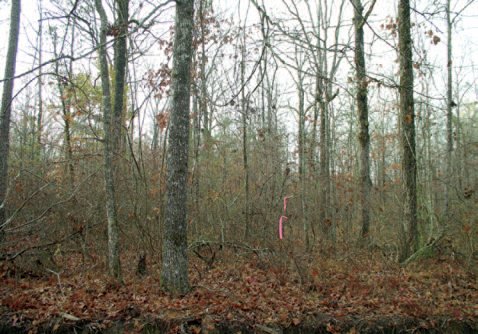
So how do we go about identifying good candidates for creating this habitat type? Just like in the pre-settlement days, hardwood savannahs were not everywhere. Bottomland hardwoods, historically, were similar then as now. Shady, full canopy, mixed species bottoms occurred along stream, creek and river banks as well as wet natured soils where fire did not enter often. Thinner barked tree species usually populate moist-soil zones. Species such as maples, gums, ash, poplar, as well as water, shumard, overcup, swamp chestnut, willow, pin, and cherrybark oaks tend to have thinner bark, an affinity for moist soils and are not particularly fire tolerant. Drier soils and uplands that can be burned is usually the first requirement. Bottomland hardwoods also tend to be the more valuable timber species and have a tendency to “epicormic” branch when opened up enough so that sunlight falls on the main bole of the tree. This habit of branching reduces the quality of the timber for grade sawlogs and is in most people’s opinion not very attractive.
Often in todays woodland environment, landowners who have neglected upland pine stands and allowed “nature to take it’s course” without fire, the pines have died out and hardwoods have regenerated in the newly created openings. Logging practices that go through upland mixed stands and remove pine also create the same condition. It is not uncommon to find old longleaf stands that have not been burned in many years and have had most of the longleaf cut out to be regenerating in upland hardwoods. Many regenerating upland hardwoods tend to be those that are fire tolerant such as hickory, dogwood, chestnut, laurel, post, white, southern red, black, and live oaks. Typically, these stands are candidates for reforestation in pine or creating hardwood savannahs. It is hard to create these hardwood savannahs by planting because most hardwood saplings are intolerant of fire, however if left to grow to larger size classes when thick bark develops, they can be returned to a burn interval.
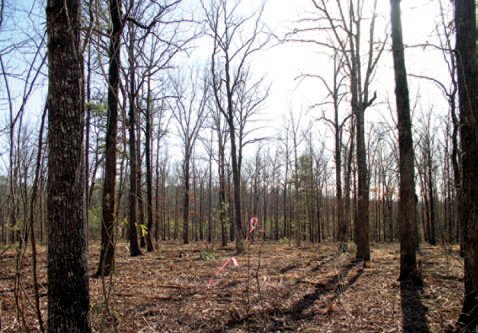
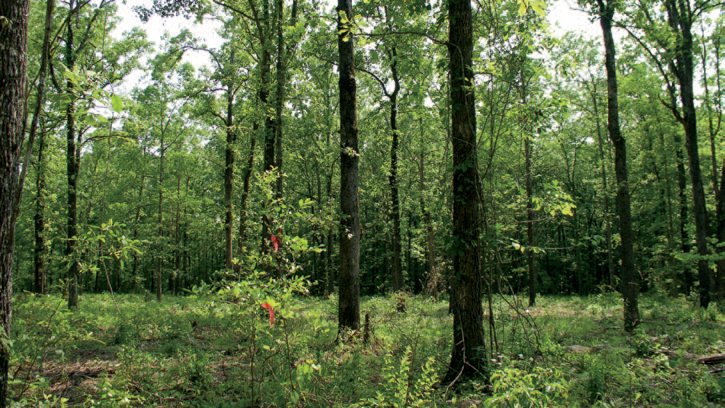
Once a good candidate site is identified, decisions need to be made as to what trees should remain and what should be removed. In existing upland hardwood stands with some pine (especially longleaf), it is a good practice to leave scattered pine existing on site to provide additional fuel to help carry regular fire. Typically, the best method to establish the open nature required to create the savannah is to identify the “leave” trees and remove remaining trees and saplings. Leave trees can be marked with marking paint. Removing unwanted material can be done with a logger if the trees to be removed are of merchantable size and volume or woodland grinders can be used if unwanted trees are small and/or scattered. Selection for trees to be left should be ranked by
- species that tolerate fire
- species that produce acorns and other fruits/nuts
- higher quality trees with straight boles
- a residual density that will allow AT LEAST 50% sunlight on the ground at mid-day
Because of the lack of historical fire on most sites, once the tree density is reduced, resprouting can be a problem for controlling what species regenerate under the canopy. Ideally the same oak species that occupy the canopy will regenerate at a low rate but species like sweet gum often become a problem, resprouting in the understory and shading out the weeds and grasses we are attempting to encourage. To address this, a one-time herbicide application can be used to kill out unwanted sprouts. Herbicides that do not have residual soil activity and/or do not affect the larger leave trees on site need to be used so as to not damage the canopy trees.
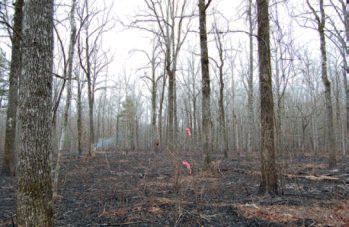
Once these areas are set up and tree density is adjusted, fire can begin to be applied on a regular basis (every 1-5 years). Hot fires in any hardwood stand should be discouraged. Intense heat built up at the bases of hardwood trees can often induce but rot and damage root systems. Cooler fires applied in a controlled manner are more appropriate. Head fires under cool/moist conditions or backfires are the best techniques. The idea is to simply remove the old grasses, leaves and fuel buildup on the ground without scorching the bases of larger trees. This stimulates regrowth of the weeds and grasses as well as scarifying seeds of desirable understory plants held in the soil bank.
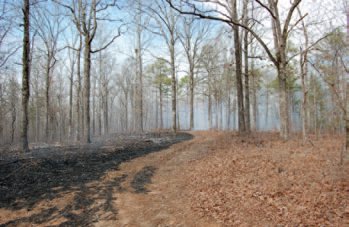
While not for everyone, hardwood savannahs make a very aesthetically pleasing woodland that is productive for a variety of wildlife and allows for excellent year-round wildlife viewing opportunities. If timber production is your chief concern then it is probably not for you but in the well rounded recreational property it can fit into the management scheme of most properties in the southeast that practice prescribed fire. We encourage you to give it a try!
