A less common sportfish in pond management than the largemouth bass is the Hybrid Striped Bass. These are sometimes referred to as the Sunshine Bass (white bass female crossed with a striped bass male) or Palmetto Bass (white bass male crossed with a striped bass female). Some other names may be Morone hybrid and “Wiper”. For decades this fish has been developed and stocked by State and Federal fish and wildlife agencies as an alternative sportfish in public waters and occasionally in private lakes and ponds. In some situations, this species may be right and desired for your situation and lake management goals.
Biology and Life History
The hybrid striped bass was developed in the mid-1960’s in South Carolina and has become a popular sport fish throughout the Southeast. Hybrid striped bass are compressed in cross section, scaled and appears similar to striped and white bass. Lateral stripes similar to striped bass are seen, but generally appear broken up in the area behind the pectoral fin and below the lateral line. They have two dorsal fins unconnected by tissue and the first dorsal fin is spined. The coloration ranges from black to light gray depending on the water color and habitat.

Diploid hybrid striped bass can reproduce, but in a small lake or pond setting will not have the environmental requirements to be triggered or to conduct a successful spawn. Triploid striped bass hybrids cannot reproduce. In private lakes and ponds, either will work, as reproduction and overpopulation is not a concern.
Alkalinity and hardness values of 100 milligrams per liter (mg/1) or above are preferred, but levels less than 20 mg/1 are suitable. A pH range of 7.0 to 8.5 is optimum for growth, but a much wider range is tolerated. Optimum growing conditions occur when water temperatures are 77 to 81° F.
Hybrids grow rapidly during their first two years of life. The typical size of hybrid striped bass caught generally range from two to five pounds, but fish near 10 pounds have been documented. The usual life span of hybrid striped bass is five to six years.
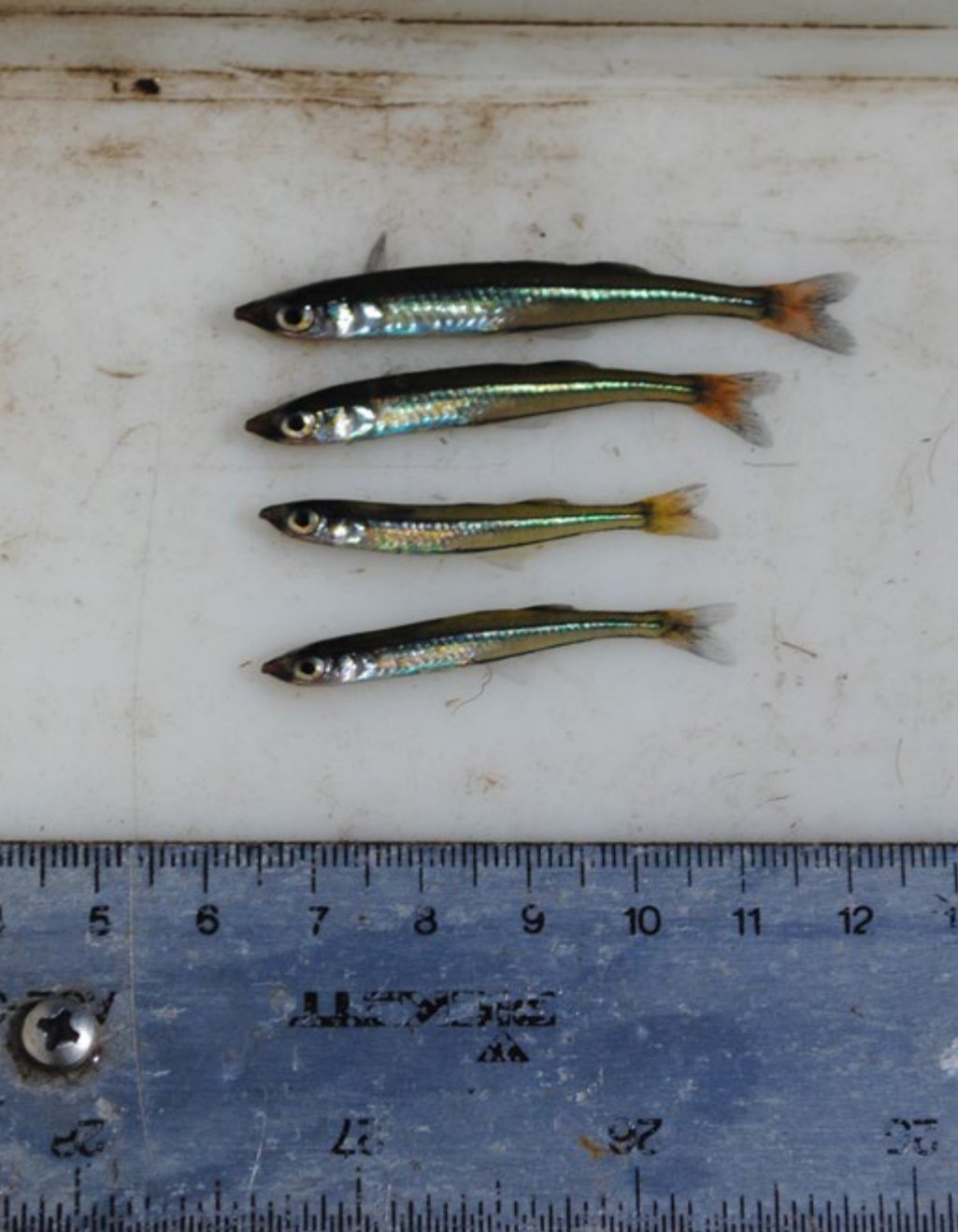
Hybrid striped bass are seldom found in shallow areas or areas with dense vegetation, they prefer deeper, open water with adequate dissolved oxygen. They frequent cooler water during the summer months and greatly slow their feeding when water temperatures become too warm. They do tolerate warmer water temperatures than the white or striped bass. Generally, they are most active in periods of low light, such as dawn and dusk, and in summer they tend to concentrate in deeper areas of the water for cooler temperatures. They are attracted to flowing water and will congregate near an inflow looking for food. Their diets consist of mostly appropriate sized small fish. Threadfin shad, small gizzard shad, and brook silversides (glass minnows) are the most common prey species. They will move close to shore and target bluegill and golden shiners if offshore forage is unavailable. Since they do not reproduce, this species is appealing to lake managers and can be easier to control numbers over largemouth if adequate forage is present. The key is appropriate sized forage that occupies open water where they live, as the hybrid striped bass have much smaller mouths than their Largemouth counterpart. If individuals are removed for table fair or were stocked five years ago or longer, restocking is required.
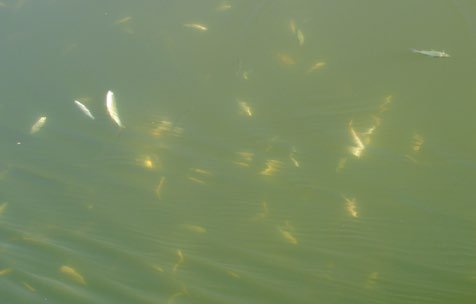
This species is less tolerant of poor water quality and higher water temperatures than many other sportfish species. We have found the one key to them being successful is a strong threadfin shad population. Threadfin generally stay out in open water, in schools, and remain small in size so many year classes of hybrid striped bass utilize them as forage. Obviously they will compete with other species that target threadfin shad, such as crappie and largemouth bass. There have been some raised to consume pellet feed with over 40% protein. However, these fish have a high mortality rate and have proven difficult to catch with artificial lures or live bait. We have observed them consuming both feed and fish in some situations. We have even observed anglers catching them on worms and chicken livers while targeting other species. This indicates that under certain circumstances, the hybrid striper will resort to bottom feeding. This was always observed where fish feed (floating/sinking mix) was being used.
Management
As with any sportfish, only stocking these fish where supported by proper forage is advised. Trying to get these fish to adapt to targeting shoreline species such as shiners or bream does work, but does not promote the best growth rates or survival. The presence of threadfin shad and silversides is the best scenario we have found. Stocking Hybrids as opposed to largemouth bass in small ponds to regulate predator numbers is feasible. Stocking multiple years, two years apart, helps create a more natural fishery and alleviates having all Hybrids present from one single year class and one size. If all individuals are the same size, they will need to be replaced as they die out or are harvested. One scenario that works well for hybrid striped bass is a small one-acre pond, where controlling predator numbers is desired. Largemouth bass numbers are hard to control in small waterbodies one acre or less, where the hybrid striped bass are controlled by the numbers stocked.

Stocking rate recommendations vary from 50-100 per acre. If multiple year classes are desired, staggering stockings will work. Year one, stock 50-75 per acre and follow-up every other or every third year, with 50 per acre. This will spread the predation out on various forage sizes and alleviate a boom/bust where all fish disappear the same year or two and you will not have to wait for individuals to grow into that quality size range, as they will already almost be there as the year class ahead diminishes through natural mortality or harvest.
How to Catch
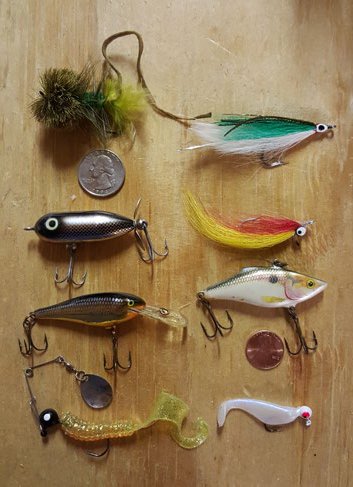
As stated earlier, these fish are most active just after dawn and before dusk. The cooler the water temperatures, the better fishing can be in the Southeast. Similar angling techniques used for crappie can be applied to the hybrid striped bass. A small, long shanked # 10 hook with minnow, 4-6 feet below the surface in open water works well. Small topwater lures and small crank baits also work well. Casting or drifting light tackle with a beetlespin has proven successful on a breezy day or using a trolling motor. The key is bait size. Remember, these fish have a much smaller mouth than a largemouth bass the same size. Many various size and year-classes of hybrid striped bass can be caught with the same size lure, while largemouth bass lures tend to get bigger as the target size fish increases. These fish will also hit flies in the form of small poppers, bugs and streamers across open water, deep holes, near offshore brush piles and occasionally near shore.