

Make preparations for spring turkey season.
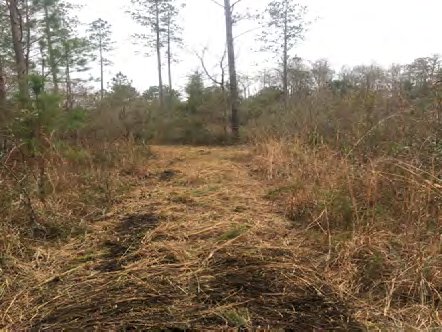
One of the best ways to ensure you have gobblers in the spring is to manage your property throughout the year to promote quality nesting cover. I have worked with many landowners that had gobblers on their property most of the year, but they disappeared during the spring. After closer inspection, their property didn’t have good nesting habitat and the hens had moved to adjacent properties carrying the gobblers with them. Quality nesting habitat is created by maintaining a patch work of early successional habitat throughout your property. Burning, herbicide applications, strip disking, timber harvest, and roadside management strategies are all tools that can help you create quality nesting habitat for turkeys. Besides the key element of creating nesting habitat, creating strutting zones in strategic areas near nesting cover around your property will help put turkeys where you want them to be. February or early March is a good time to create strutting areas. A mower, disk, fire or combination of these are the tools of choice for this task. Fire is my preferred tool if it can be used. Strutting areas are simply areas that have relatively little or open ground cover that will be attractive to turkeys for breeding courtships. I often create these areas between roosting and nesting areas and preferably near a food source such as an old field, chufa patch, or food plot. Areas that often lend themselves well to creating strutting areas are powerlines, thinned pine rows, and roadsides. Lastly, mowing hunter access trails will help you slip into areas to hunt without making a bunch of noise. If these trails go through thick habitat, don’t be surprised if turkeys use the same trails. Speaking of mowing, if you have areas that need mowing before summer arrives, do so before turkeys start nesting.
Now is the time to scout for next hunting season.
How many times have you heard (or said to yourself) “Those dang deer know when deer season starts – we’ve been seeing them all summer and now they have gone into lock down”? Deer do not have deer season on their calendar. Hunters are their alarm clock. It happens every year and we have all been guilty of it. The woods have been quiet with no humans walking around, no ATV’s, no chainsaws, no trucks or tractors, no loud voices or other odd noises and then a month (or week) before the season the woods are inundated with LOTS of these unnatural disturbances – Hunters busting through the woods doing lots of things associated with preparations for hunting season. This is the alarm clock that triggers deer to alter movements to avoid these disturbances and potential dangers. All these things are described by two words – disturbance and pressure. I have spent most of my career helping hunters manage for better deer and better hunting. Generally speaking, growing “big bucks” is relatively easy when hunters follow management recommendations. However, getting these bucks in front of hunters is often the most challenging task I have. One thing that I have learned and have seen play out time and time again is that hunting pressure (which is a culmination of all the unnatural disturbances described above) plays a significant role in hunting success. So, if you want to see and harvest more deer (i.e., improve your deer hunting experiences) intensively manage hunting pressure (and other disturbances) on the property you hunt. One of the best ways to reduce pressure is to be ready well before hunting season. Late winter, or just after hunting season, is one of the best times to learn more about your property, find areas that could be improved, and figure out how deer or other wildlife use your property. Learning these things will help you maximize the value and use of your property. As I have mentioned in past calendars, February and March is my favorite time to learn how deer use a property and strategize on new stand locations. Because deer have been exposed to a great deal of hunting pressure over the past few months, they are using areas that they are most comfortable in and feel safe. If you find out where they are “hiding” now, you will know where to find them next season once the hunting pressure builds and deer seem to disappear. During this time of year, buck sign such as trails, rubs and scrapes is still fresh. Erecting or relocating stands now reduces that amount of “pressure” you will need to apply just before deer season and allows deer to get used to seeing them over the summer. Although you will have to touch them up before the season starts next year, late winter is also a good time to trim shooting lanes around deer stands. Having done all this in late winter, you will significantly reduce pressure just before the season starts next year which will enhance your opportunities to see and harvest the big bucks you’ve worked so hard to grow.

Ensure deer have quality nutrition during late winter through spring green up.
Late winter through spring green up is a nutritionally stressful period for deer in most regions. Deer have spent much of the fall going through the stresses associated with breeding activities which have worn them down, does are pregnant, much of their quality food sources have dwindled, and energy demand increases with a colder climate. By ensuring deer have access to quality food sources during this period will ensure they enter spring green up in good condition. Doing so gives them a jump start as they enter the spring green up period (one of the highest natural nutritional periods due to an abundance of fresh new growth of plants). As such, deer can use the high nutrition from spring green up for body growth verses maintenance. Healthy deer entering spring results in bigger antlers, healthier does, increased fawn survival, etc. which is the goal of most deer management programs. Although this is within the February/March management calendar, strategies that ensure quality food sources are available this time of year are the result of management implemented months ago or over time. These strategies may include things such as thinning timber, managing natural habitats, including perennial crops in food plots, and properly managing deer herd conditions. Something that can be done now, however, is providing deer with supplemental feed which can certainly offer deer a quality food source. But before thinking about starting a supplemental feeding program for deer, you need to take care of the “more important” things first (such as items listed above). In other words, you cannot hang shutters if you do not have a house – and you will not grow big bucks and a healthy herd with supplemental feed alone. It is a supplement to other management strategies and activities. However, when done in combination with other core management practices, supplemental feeding can be valuable for deer. Be sure to check your local game laws before providing feed on your property. Many states do not allow the use of feed during hunting season. Ideally, providing supplemental feed throughout the year is best, but supplemental feed will be most used and most valuable for deer in late winter and late summer. These are periods when natural food availability is at its lowest. So, if you have a limited budget and cannot or do not want to feed throughout the year, provide it during the periods deer need it most.
Obtain an updated aerial photograph of your property.
Updated aerial photographs are an invaluable tool in land/wildlife management. In fact, it is the first thing I want to see when someone asks me to help improve their property for wildlife or create a management plan. I prefer aerial photographs taken during the dormant season when deciduous trees have lost their leaves (i.e., late winter or early spring before green up). This allows you to distinctly see differences in pine or evergreen habitats and hardwoods. Infrared images taken during the growing season can do this as well, but I prefer color photos taken during winter. An aerial photo puts everything into perspective by allowing you to see the various habitats and how they are situated across the landscape of a property. While this may sound odd, it also allows you to see habitat diversity and layout of your neighbor’s land which may play a role in how you manage your property. For example, if your goal was to manage for turkeys and you see on an aerial that your neighbor’s property is primarily mature timber, increasing nesting habitat on your property will likely attract nesting hens (and gobblers) from the surrounding property in the spring (not that you want to “steal” turkeys from your neighbor! Ha). Also, aerial photographs often become my “drawing board” when devising plans to improve a property. That is, having a map of the entire property in front of me, I can see everything, where various habitats are on the property, where food plots are located, etc. Having this, I can visualize how hunters, deer or other wildlife use the property and/or how we can improve the property to not only ensure quality habitat is provided across the landscape, but where habitat management can be used to direct wildlife to areas for improved hunting. There are many companies that specialize in taking aerial photographs, adding geographic features (roads, property lines, habitats, etc.), and providing a custom aerial map to the customer’s specifications. While using these companies is obviously more expensive than pulling your property up on something like GoogleEarth, the resulting map/photo will be of high quality, up-to-date, customized to your liking, and can be uploaded into GIS type programs that allow you to enter and retrieve useful information about your property (e.g. number of acres of each habitat type) and create detailed habitat management plans. While I prefer professionally flown custom maps to work with, I must admit I use free online satellite imagery (e.g., GoogleEarth Pro, Bing Maps, etc. more often than in the past. They are simply fast and easy to use. The downside of these images is that they are often out-dated, particularly if you are actively managing timber and habitats.

Mow early or wait until early summer.
If you have areas that need to be mowed, mow them before turkey nesting season (which is generally March-May in most of the Southeast) to prevent destroying nests. Unless necessary, I recommend leaving as much of roadsides, fields, and other openings un-mowed to provide additional nesting habitat for turkeys and other birds. Much turkey nesting research shows that these areas are valuable and heavily used for nesting by hen turkeys. Even if turkeys do not use all the un-mowed areas, these areas will host an alternate food source (small mammals – rats, mice, and rabbits) for potential turkey nest predators. Having this “extra habitat” also increases the “search area” and reduces predator success in finding turkeys and their nests giving turkeys of a better chance of producing a clutch and surviving. This strategy is more valuable for landowners whose property has limited nesting habitat.
Spring is a good time to check soil pH and apply lime to food plots if needed.
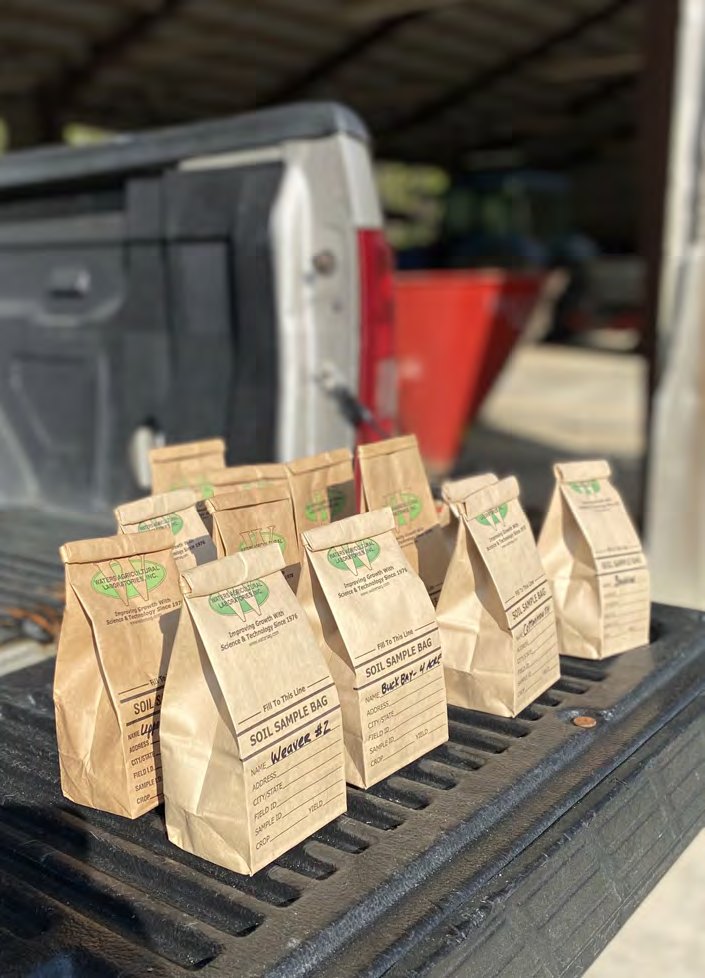
To check the soil pH, simply collect soil samples and send them to a soil laboratory (see previous Wildlife Trends articles on how to properly collect soil samples). Your local farmers cooperative will often have soil collection bags which normally have directions on how to collect soil samples and where you can send the soil to be tested. Although there are exceptions, most crops grow best in a relatively neutral soil pH of 6.5 – 7.0. Thus, lime is often needed to enhance the soil. Because it can take several months for lime to effectively change the soil pH, checking the soil in late winter or early spring will give lime ample time to enhance the soil before the fall planting period. Incorporating lime during late winter (Jan/Feb) will likely enhance soil pH for summer plantings. Remember, ensuring proper soil pH is often more important than what you plant or how much you fertilize. In fact, proper soil pH is essential for fertilizer to be available to the plants. Although lime can be spread any time of year, applying it at least 4-6 months before planting will allow time for it to properly enhance the soil pH to desirable levels. Lime can be broadcast directly on top of the soil where rain can work it into the growing zone of the soil, but disking it into the soil profile will speed the process up and is recommended.
Manage water in duck ponds.
Although duck season may be over, leaving duck ponds flooded will benefit migrating waterfowl by providing energy rich foods for their flight back north. Pond drawdown rate and timing is important and will vary depending on your management strategy (natural moist soil management or agricultural plantings). If you are planting agricultural crops for waterfowl, leaving the pond flooded through early summer will help control weeds. Just be sure to drain the pond early enough to allow adequate drying time before planting time. However, if you are managing for natural moist soil plants, such as in a beaver pond or waterfowl impoundment, you will need to start pond drawdown in the spring to allow desirable native moist soil plants to germinate and grow. Slow drawdowns (over a 2-3 week period) are often desired because they will result in diverse emergent wetland species and invertebrate composition. Quick drawdowns result in decreased plant species diversity and are often composed of undesirable species. If you are managing a GTR (Green Tree Reservoir or flooded hardwood area), use a slow draw down process but ensure water is off the area before spring green up to protect/enhance growth of oaks in the GTR. Some oaks, particularly the more desirable ones for generating duck food, do not do well if left flooded after they begin growing leaves in the spring.
Transplant native shrubs or trees to add aesthetics or screen unnatural structures or objects.
While this has nothing to do with wildlife management, it may enhance experiences around the property you hunt. Late winter is a great time to install or transplant shrubs or other plants to add aesthetics or hide unnatural objects around your camp or property. Examples of such items may include electric boxes, AC units, pump houses, clay target throwers, etc. While purchasing shrubs or plants is always an option, consider transplanting natural plants that exist on your property. These plants are well adapted for the soils and climate of your property and best of all they are free. Choose shrubs/plants that are evergreen or will provide the “cover” needed to do the job. A few plants I have had great success with include wax myrtle, broomsedge grass, and various holly and ferns. When digging up plants, keep as much of the root ball intact as possible. That is, leave plenty of room around the base of the plant and cut a circle around the plant with a shovel working deeper and under the plant until the root mass (full of dirt) breaks free. Handle the root mass with care while transporting to its new home. The goal is to keep as much of the existing soil around the roots in place as possible – which protects small feeder roots of the plant. A large plant container (black pot that shrubs or trees are grown in) is useful to have when transporting to protect the root ball. Dig the new hole larger than the original and loosen soil in and around the hole. After placing the plant in its new home, use soil from the hole to pack around the root ball. Ensure no air pockets exist and firmly pack the soil (firm not compact) around the plant. If possible, water the plant in. During its first year of life (particularly the first summer), the shrub may need a little TLC. Make sure it has plenty of water and keep competing vegetation under control. Depending on the situation, native shrubs can provide great screen along property lines where needed.
Trap and remove predators.
Hunters are quick to blame predators such as raccoons, opossum, skunks, coyotes, fox, or bobcats where populations of game wildlife are declining. However, in most cases the cause for game species population decline is often the result of reduced reproductive performance or survival of their young due to poor habitat and/or harvest management strategies. That is, it’s foolish to blame predators for poor quality deer hunting if your deer herd is “crashing” as a result of being overpopulated and is experiencing poor fawn production due to poor overall herd health. Or blame predators for a declining turkey population if you are not managing or providing quality nesting and brood rearing habitat to promote good poult survival. So before initiating efforts to remove predators, consider habitat quality and/or strategies you are applying to improve it. If habitat quality is not good, your time and money may be best spent managing habitat verses predator control. Having said this, on properties where habitat quality is generally good, intense localized predator control can increase survival/recruitment rates of species such as rabbits, quail, turkeys, and deer. Intense is the key word here. Simply throwing a few traps out on the weekends will not have much effect on predator populations. Having a significant impact will require intense trapping over a period of time that results in many predators being removed. It is also worth noting that predator populations can re-bound quickly. Like the response of a deer herd after an aggressive harvest, a reduced predator population with less competition for quality resources will have increased reproductive rates. Thus, trapping efforts need to be applied every year to be most effective and produce the best results.