

Assess management strategies, review or develop a plan, & prepare for upcoming projects
It’s important to plan and prepare well in advance to make sure you have everything you need for the projects you want to start this summer. I heard a saying that has stuck with me over the years that always reminds me to plan – “People don’t plan to fail, but often fail to plan”. Planning also allows you to prioritize projects, create a budget for the upcoming year, and develop timelines for completion to help you stay on track. Many landowners simply tackle projects as they come up or as they think of them. This strategy can work, but without planning they may overlook or run out of money before addressing a more needed project.
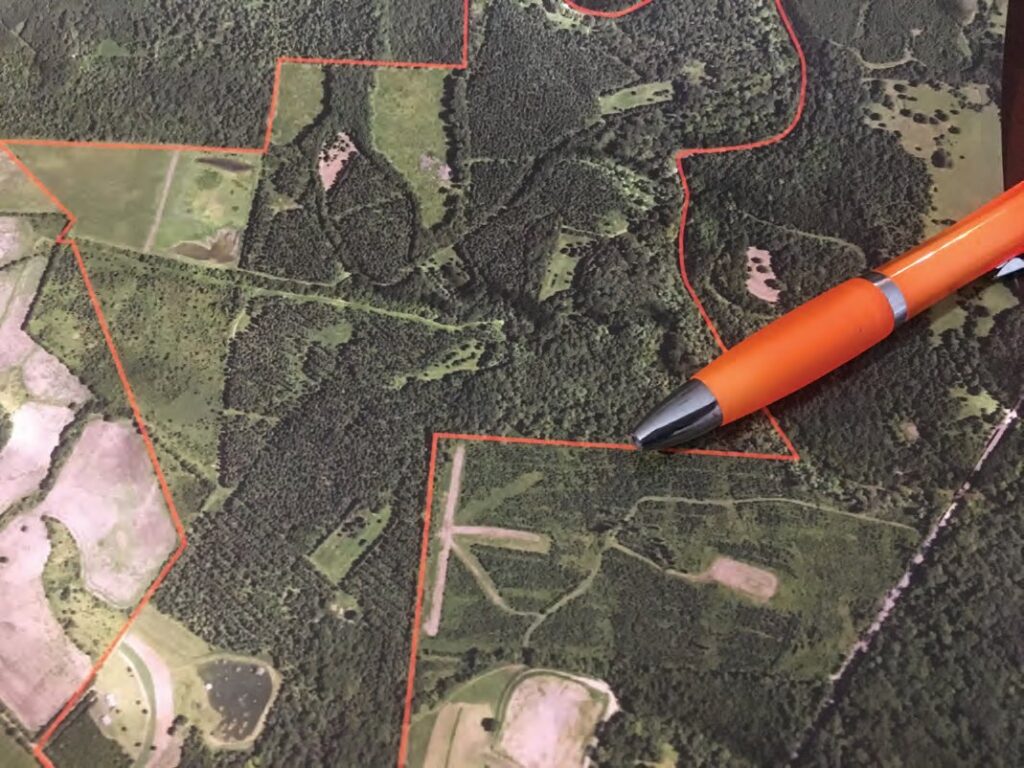
Spring is a busy time for us at Tall Tines Wildlife Consultants helping landowners develop a plan of action for the coming year to improve the wildlife value and hunting on their property. We conduct what we call “property management assessments”. During this consultation, we review projects that had been completed the previous year, review harvest data or other information that provides insight into how the wildlife we are trying to manage is responding to management, re-assess progress towards goals, assess the habitat and property, in general, to determine its limiting factors, and develop a prioritized list of activities that need to happen to help the landowner achieve their goals. While this is a professional service we provide, it is a process that I feel all landowners should go through each year, whether they hire a professional biologist or not, to keep them on track and moving forward. This reminds me of another saying – “Don’t keep doing the same thing and expect different results.” Now (late winter/spring) is the time to assess your management program, determine the needs for improvements, and develop a plan to address these needs.
Make preparations for spring turkey season
One of the best ways to ensure you have gobblers in the spring is to manage your property throughout the year to promote quality nesting cover. I have worked with many landowners that had gobblers on their property most of the year, but they disappeared during the spring. After closer inspection, their prop-erty didn’t have good nesting habitat, and the hens had moved to adjacent properties carrying the gobblers with them. Quality nesting habitat is created by maintaining a patchwork of early successional habitat throughout your property. Burning, herbicide applications, strip disking, timber harvest, and roadside management strategies are all tools that can help you create quality nesting habitat for turkeys. Besides the key element of creating nesting habitat, creating strutting zones in strategic areas near nesting cover around your property will help put turkeys where you want them to be. February or early March is a good time to create strutting areas. A mower, disk, fire, or combination of these are the tools of choice for this task. Fire is my preferred tool if it can be used. Strutting areas are simply areas that have relatively little or open ground cover that will be attractive to turkeys for breeding courtships. I often create these areas between roosting and nesting areas and preferably near a food source such as an old field, chufa patch, or food plot. Areas that often lend themselves well to creating strutting areas are powerlines, thinned pine rows, and roadsides. Lastly, mowing hunter access trails will help you slip into areas to hunt without making a bunch of noise. If these trails go through thick habitat, don’t be surprised if turkeys use the same trails. Speaking of mowing, if you have areas that need mowing before summer arrives, do so before turkeys start nesting.
Collect shed antlers
Bucks across the whitetail’s range should have shed their antlers by mid to late March. Searching for and collecting shed antlers can be a fun and exciting activity for friends and families to participate in during the springtime. Shed collecting offers a unique opportunity to spend quality time with family, while also providing valuable insight into the quality of the deer herd on your property. Over time, you can compare the antler sheds found from different seasons to track the progress of your deer program. If you notice that the antlers are gradually getting larger each year, then your program is moving in a positive direction. To increase your chances of finding antlers, focus your search in key areas such as food plots, fields, around feeders, and along trails where deer must jump over fences or ditches. Additionally, training your Labrador retriever to find antler sheds can be an exciting and rewarding outdoor adventure for you and the dog.
Squirrel hunt
Squirrel hunting seems to be a lost passion for many hunters. Squirrel season runs through February in many states and can offer some great excitement. I often use squirrel hunting as an excuse to be in the woods scouting for deer sign. As you will see in the calendar item below, late winter is one of the best times to scout for new deer hunting spots. Whether you are interested in scouting for deer or not, squirrel hunting is a great activity that will help you learn a property and will often spark ideas of ways to improve it. I personally value squirrel season as it provides a great way to teach kids how to hunt without having to be too serious or quiet and often results in lots of action and shooting. As we move along hunting, we take time to investigate everything we come across, such as deer tracks, turkey feathers, armadillo shells, and turtles, which leads to discussions about how nature works. Be sure to pack plenty of snacks!
Learn more about your property & scout for new deer stand locations
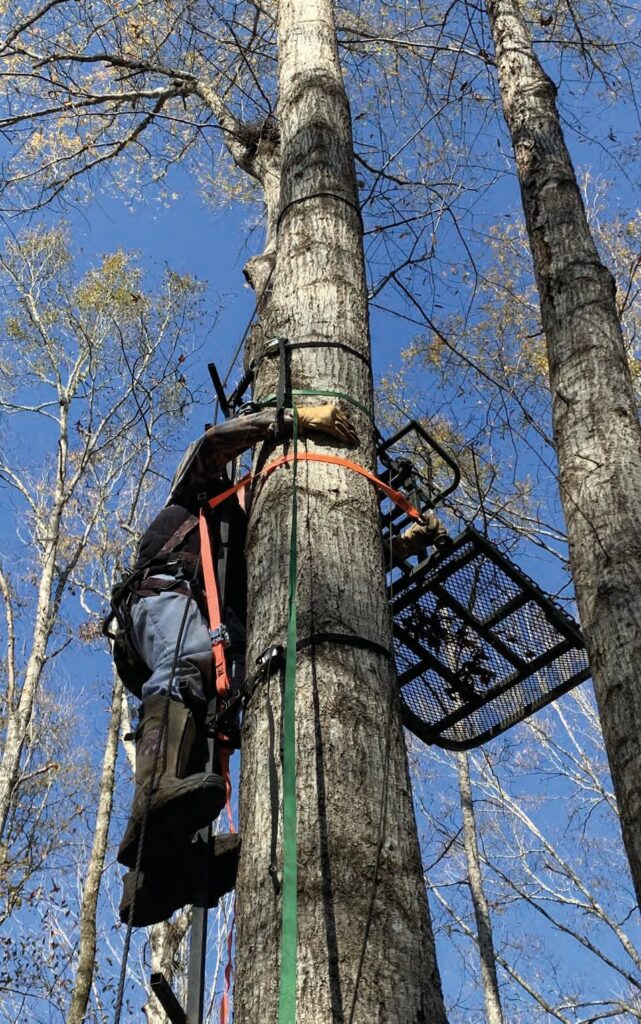
Have you ever noticed that deer seem to disappear right before hunting season starts? It’s not because they have deer season marked on their calendar. Rather, it’s because hunters apply lots of disturbance to deer with their preparations for hunting season. These disturbances, which include loud noises and human activity, cause deer to alter their movements to avoid potential danger. With over 25 years of experience managing deer and hunting, I’ve learned that hunting pressure plays a significant role in hunting success. If you want to improve your hunting experiences and see more deer, it’s important to manage hunting pressure and other disturbances on the property you hunt. One effective way to do this is to be prepared well before hunting season. Late winter or just after hunting season is the best time to learn about your property and identify areas that could be improved. By doing this, you can maximize the value and use of your property. During this time of year, deer are using areas where they feel safe and comfortable, so if you find out where they are hiding, you’ll know where to find them next season. Late winter is also a good time to erect or relocate stands, trim shooting lanes, and reduce the pressure you’ll need to apply just before the season starts. By doing all this in advance, you’ll significantly enhance your opportunities next season to see and harvest the big bucks you’ve worked so hard to grow.
Prune fruit trees
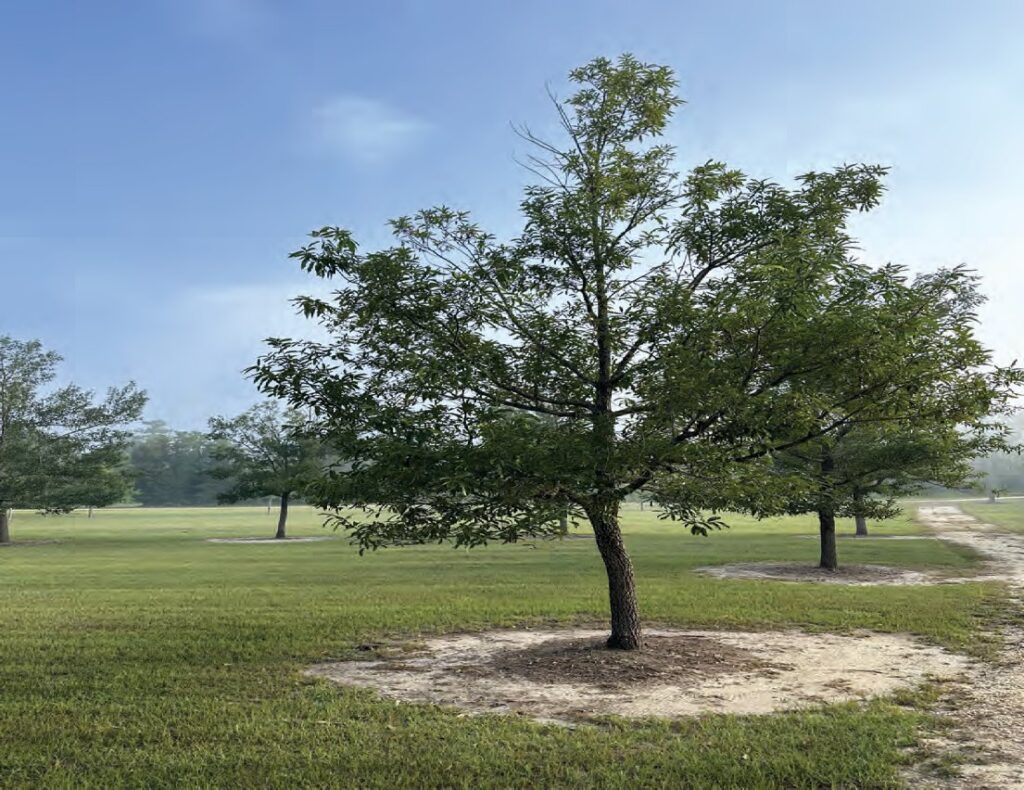
Pruning fruit trees is an effective management strategy that can boost the health of the tree and improve fruit production. It’s important to avoid heavy pruning as it can stunt a tree’s growth and delay fruit bearing, which is particularly detrimental to young trees. Proper pruning will establish a sturdy scaffold system with well-spaced, wide-angled branches that can withstand heavy crops and high winds. A well-trained young tree will produce heavy crops early and continue to bear fruit efficiently. The ideal time to prune fruit trees is during the dormant season, but diseased or dead branches can be removed at any time. To keep fruit trees healthy and productive, it’s advisable to prune them regularly, ideally every year. Neglecting trees for years and then heavily pruning them is a mistake. However, older trees may require more aggressive pruning than younger trees to rejuvenate them.
Transplant native shrubs or trees to add aesthetics or screen unnatural structures or objects
While this has nothing to do with wildlife management, it may enhance experiences around the property you hunt. Late winter is a great time to install or transplant shrubs or other plants to add aesthetics or hide unnatural objects around your camp or property. Depending on the situation, native shrubs can also provide a great screen along property lines where needed. Examples of such items may include electric boxes, AC units, pump houses, clay target throwers, etc. While purchasing shrubs or plants is always an option, consider transplanting natural plants that exist on your property. These plants are well adapted to the soils and climate of your property, and best of all, they are free. Choose shrubs/plants that are evergreen or will provide the “cover” needed to do the job. A few plants I have had great success with include wax myrtle, broomsedge grass, and various holly and ferns. When digging up plants, keep as much of the root ball intact as possible. That is, leave plenty of room around the base of the plant and cut a circle around the plant with a shovel, working deeper and under the plant until the root mass (full of dirt) breaks free. Handle the root mass with care while transporting it to its new home. The goal is to keep as much of the existing soil around the roots in place as possible – which protects the small feeder roots of the plant. A large plant container (the black pot that shrubs or trees are grown in) is helpful to have when transporting to protect the root ball. Dig the new hole larger than the original and loosen the soil in and around the hole. After placing the plant in its new home, use soil from the hole to pack around the root ball. Ensure no air pockets exist and firmly pack the soil (firm, not compact) around the plant. If possible, water the plant in. During its first year of life (particularly the first summer), the shrub may need a little TLC. Make sure it has plenty of water and keep competing vegetation under control.
Plant supplemental fruit trees and/or other wildlife-friendly plantings
Supplementing your property with plantings of oaks, chestnuts, pears, crabapples, plums, autumn olives, etc., is a great way to enhance both the esthetics and wildlife value of your property. Late winter through early spring (before spring green up) is the best time to plant most wildlife-friendly trees/shrubs. Planting a variety of trees/shrubs will ensure that a variety of food sources are available throughout the year. The plantings should be strategically placed around food plots or fields, along roadsides/intersections, or other areas that will receive adequate sunlight. If quail management is one of your goals, and your property has lots of open land, you may consider establishing hedgerows for additional quail habitat. Hedgerows are often created using wildlife-friendly plantings such as plums, dwarf chinquapin, or sawtooth oaks, along with other shrubs. Hedgerows can be enhanced by planting adjacent strips of partridge pea or food strips of corn, Egyptian wheat, sorghum, or millets this spring/summer. The Wildlife Group is an excellent source for obtaining beneficial wildlife trees/shrubs as well as getting advice on planting strategies and tips.
Fertilize perennial clover plots to provide a jump start for spring growth
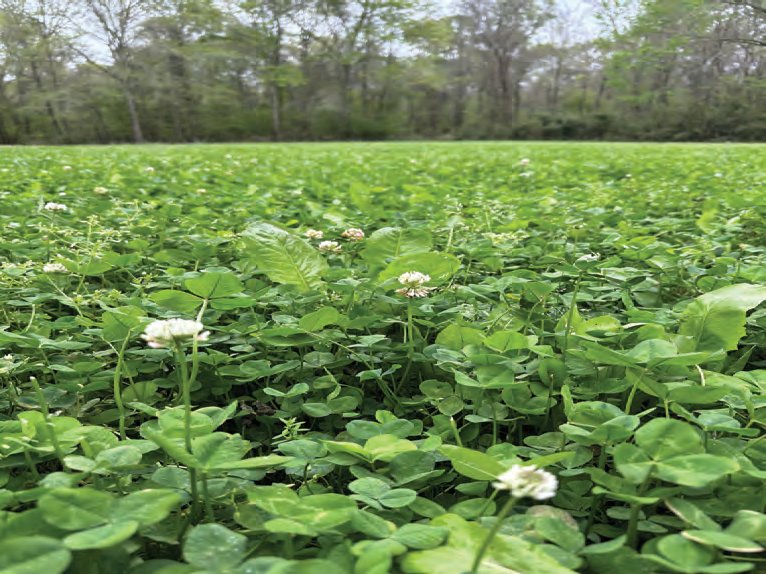
Although I am a fan of planting annual summer crops to provide maximum nutrition through the summer months, I also like to include perennial clover plots in food plot strategies for diversity and as a year-round crop that will be available when other crops fade out or are being planted. Perennial clover plots will start growing rapidly once spring green-up begins and daily temperatures exceed 65 degrees. Fertilizing clover can add a significant growth/nutritional boost to clover and other perennials. Because clover produces its own nitrogen, apply a fertilizer that does not contain nitrogen, such as 0-20-20, during early-mid spring to provide adequate nutrients for clover growth. If you add nitrogen, you are simply feeding competing grasses. Although I strongly recommend pulling soil samples and applying fertilizer accordingly, a “common” fertilizer application rate for clover in the spring is 200 lbs./acre. Once the growing season begins, monitor the plot for undesirable weeds and grass. Pre-emergent herbicides are a fantastic tool that will kill weeds before they have a chance to become a problem. If you are unable to apply a pre-emergent herbicide, mowing will help reduce undesirable weeds (do not mow too low…your mower should be set to cut just over the clover). However, if weeds and grasses persist, apply selective post-emergent herbicides for control. Although herbicides are more expensive than mowing, they are often the most effective. Mowing is used to give the clover a better chance to out-compete the weeds while herbicide kills the weeds.
Initiate Late Winter/early Spring Strip Disking
Are you looking for an inexpensive management strategy that can improve the wildlife value of your property? Strip disking is an excellent management practice that can produce exceptional food and cover for various wildlife. If you have a tractor and a disk the only expenses of strip disking are fuel and time. Simply find areas within relatively open habitat, drop the disks, and drag them. Obviously, the tractor operator needs to pay attention to avoid stumps or other obstacles to prevent damaging the tractor or disks. The goal is to just “stir” the soil to promote the germination of seeds in the natural seed bank. Generally speaking, one pass is all that is needed. Having said this, I typically mow areas I intend to harrow first if possible (with the mower deck raised to a high setting). Doing so prevents disks from riding on top of taller grasses and shrubs. Disking can be done along roadsides, in or around old fields, and within thinned pine plantations or mature longleaf stands. Disking strips 10-30 feet wide in late winter and early spring will stimulate the growth of desirable native quail food plants such as partridge pea and beggarweed. The new succulent vegetation that grows in the strips will also attract insects. Late winter – early spring is also the best time to disk to promote high quality deer browse as it promotes broadleaf weed growth. These areas can be managed by re-disking every other year. The time of year you disk will influence the types of plants that colonize. For example, winter disking produces heavy-seeded quail foods such as partridge pea and ragweed, while disking in April increases the production of important seed-producing grasses such as panic grass. Disking in June favors grasses and green vegetation that attracts insects and promotes a number of major seed plants that turkeys and quail readily feed upon in the fall. In general, seasonal disking can provide a diversity of seed-producing plants for quail and turkeys as well as quality browse plants for deer.