Ensure doe harvest goals are met.
Doe harvest goals should always be based on data and the population management needs of a deer herd. When deer density is already within the desired range and the objective is to maintain that population level, a harvest is still necessary to remove the deer that were recruited into the population that year (i.e., fawns that survived and entered the adult herd). If the objective is to reduce deer density, harvest must exceed annual recruitment. As every Wildlife Population Dynamics student learns early on, population growth is simply births minus deaths.
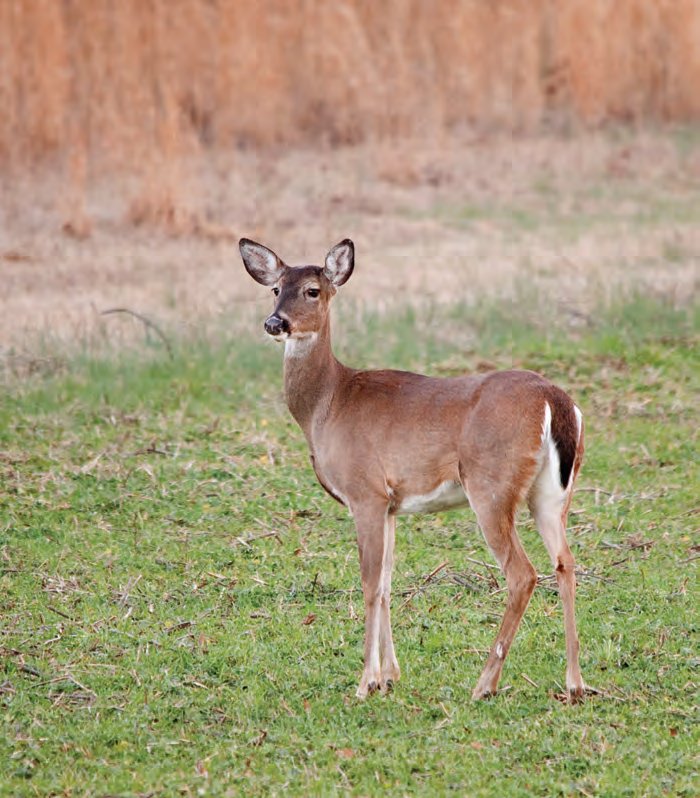
Ideally, does should be harvested early in the season and preferably before the rut. Early harvest reduces pressure on food resources for the remaining deer and immediately improves the sex ratio heading into breeding season, conserving energy across the herd. A skewed sex ratio heavily favoring does can extend the breeding season, causing bucks to expend excessive energy—often losing up to 30% of their body weight. As a result, those bucks enter spring in a nutritional deficit, and the high-quality forage of spring goes toward basic recovery rather than body and antler development. An extended rut caused by an unbalanced sex ratio also results in poor hunting quality, particularly for mature bucks. When there are excessive numbers of does, bucks have little competition and spend less time seeking does during daylight. These conditions also result in less rutting activity in general – less chases, rubs, or scrapes. We commonly refer to this as a diluted rut.
By the time you receive this issue of Wildlife Trends, the hunting season will be winding down in most states. If you’re short of your doe harvest goals, now is the time to act. If needed, recruit friends or club members to help. Hosting a “doe harvest weekend” can be an excellent way to build participation.
Make it an event—hold a camp cookout and offer fun awards for the largest doe, the oldest doe, or the highest combined harvest weight. With the camaraderie that comes with it, these weekends often become some of the most memorable hunts of the entire year.
Strip disk areas to promote natural, desirable habitat for wildlife.
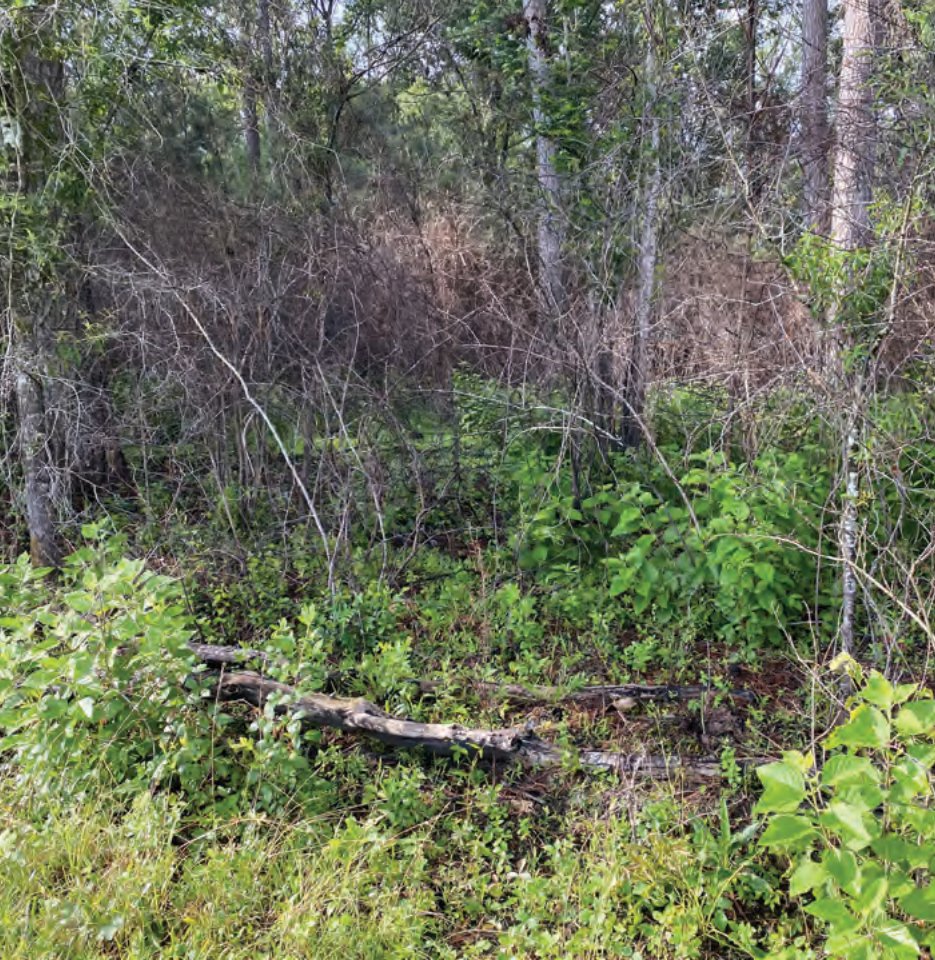
Strip disking is simply one of the easiest, cheapest, and most effective management practices to implement to create high quality food and cover for wildlife. Strip disking is as simple as it sounds. To strip disk, you merely drop the disk far enough into the soil to lightly break the surface of the ground. Lightly disking the ground will provide enough disturbance to stimulate the natural seed bank of wildlife friendly “weeds” the following spring and summer. Heavy disking like you were preparing a clean seedbed for planting a food plot is not needed. One pass is generally enough to stir the ground up and expose bare soils that will promote germination of desirable weeds. While not necessary, I often mow areas I plan to strip disk ahead of time. This makes disking more effective if vegetation is relatively thick or tall. It also knocks back/reduces competition of the undesirable or overgrown plants I am trying to replace. Strip disking can be done in thinned pine plantations, relatively open mature pine stands, roadsides, along the edges of food plots, or in open fields. Basically, anywhere sunlight can reach the ground will work. To optimize the benefit of strip disking, avoid disking straight lines. A serpentine pattern that winds through the habitat will provide the most edge and diversity. However, consider following the contour of the land to avoid creating potential erosion issues. Make the strips 8 – 25 feet wide, and separate them by undisked strips 60 to 100 feet wide. Make the strips as long as possible. These strips can be thought of as a rest-rotation system. After a year, disk another swath next to the previously disked strip. This develops a mosaic of vegetation that is one to three years old. Strip disking at different times of the year will result in different plant communities. While disking can be conducted any time of year, it is normally done in spring or fall. Fall/winter disking normally results in a broadleaf plant response, while spring/summer disking promotes native grasses. Altering the season in which you strip disk will add diversity to your property that will benefit various wildlife species.
Prepare dormant season prescribed burn plans and initiate burns as weather permits.
Fire is an effective management strategy that is relatively cheap to implement and results in better habitat for wildlife. If you have pines on your property, fire is an essential tool to improve wildlife habitat and should be on your annual task list. However, burn plans need to be well thought out and completed well ahead of time. With the exception of longleaf pine/coastal plain areas, most understory burning in the Southeast is conducted during the winter dormant season. Acceptable relative humidity, temperature, fuel moisture, and steady, persistent winds often occur during this period. Cool season burns are generally conducted between December and spring green up. In the deep south, try to conduct burns before March 15 to avoid destroying turkey nests. Cool season or winter burning is not only a good way to reduce fuel loads and control undesirable hardwoods in a pine stand (which reduces the chances of a wildfire that can be detrimental) but is also a great way to stimulate new understory plant growth which will result in quality food sources for wildlife. Fire rotations (interval of time between burning the same area again) vary depending on your goals and habitat types but are generally every 2-4 years to promote quality wildlife habitat. It is also a good idea to strategically plan your burns so that you always leave some areas unburned. How much area to burn will depend on your specific property and habitats. However, do not feel that you must burn large areas, say 50+ acres, to make a difference and create quality wildlife habitat. Relatively small burn areas in the 5-to-20-acre range are easily done in a couple hours and will make a difference. Always check local burning laws and consult with an experienced burn manager before lighting a woodland fire. The U.S. Forest Service or your state forestry commission are great sources for obtaining more information regarding burning in your area. Check with the US Forest Service for information regarding prescribed burning as well as examples of a burn plan. It is also a good idea to coordinate your burns with a professional land manager that has experience burning.
Provide supplemental feed for deer.
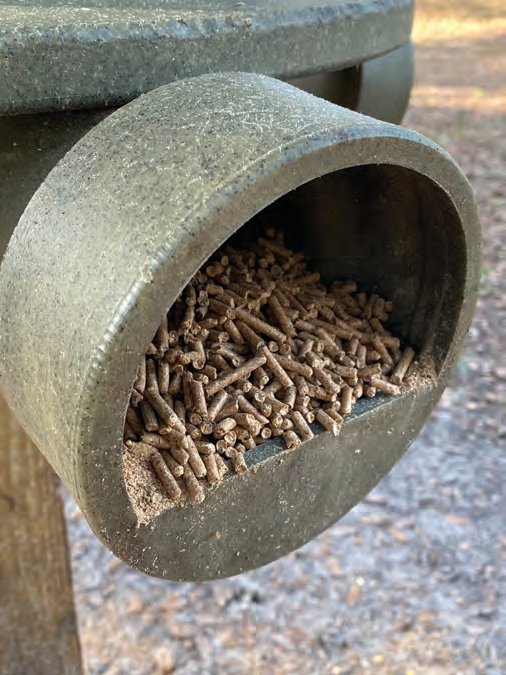
Even in the South, late winter can be a nutritionally stressful period for deer. They have endured the rigors of breeding season and natural food sources can be limited. Providing supplemental feed during this time can boost energy and nutrition. This recommendation/activity is directed towards landowners or managers that have done a good job managing the natural habitat, food plots, and deer herd conditions. That is, before thinking about starting a supplemental feeding program for deer on your property, you need to take care of foundational things first. In other words, you cannot hang shutters if you do not have a house – and you will not grow big bucks and a healthy herd with supplemental feed alone. It is a supplement to other management strategies and activities. However, when done in combination with other core management practices, supplemental feeding can be valuable for deer. Be sure to check your local game laws before providing feed on your property. Many states do not allow the use of feed during hunting season. Ideally, providing supplemental feed throughout the year is best, but supplemental feed will be most used and most valuable for deer in late winter and summer. These are periods when natural food availability is at its lowest. So, if you have a limited budget and cannot or do not want to feed throughout the year, provide it during the periods deer need it most.
Assess the progress of your management program and create a plan for improvements.
With hunting season winding down, it’s time to revisit the wildlife management program on your property to assess whether or not your management strategies are working to help you achieve desired goals. Doing so may reveal limiting factors that may be preventing you from reaching your management goals or maximizing your efforts. In some cases, addressing a couple limiting factors that may not seem so impactful can be a game changer for the overall success of the program. Unfortunately, many landowners and hunting clubs keep doing the same thing and expect different results. Depending on the wildlife species you are managing for, late winter or early spring is generally a great time to assess habitat needs, review current management strategies and how wildlife or habitat has responded to these strategies, and devise a plan for addressing any needs that are identified. While a general property assessment is easily done by a landowner, I recommend getting the assistance of a professional experienced wildlife biologist to help identify less obvious and often times overlooked strengths and weaknesses of your property or wildlife management program. I can’t tell you how many times I have been helping a client where I made what I thought was an obvious recommendation that turned out that they had never thought about or recognized as a limiting factor. My point is that it is always good to get another set of eyes when assessing your property, particularly from someone that does not see the property often and/or someone that is an experienced wildlife/land manager. With the property wildlife management goals in mind, and from this assessment, you and/or your wildlife consultant can develop a list of several to many management activities that will address limiting factors identified. Depending on the property, this can be a relatively short list or a very long list of activities that need to be addressed. Many of you have heard me say this before, but consistent good hunting doesn’t happen by accident. It takes planning, hard work, patience and an understanding that Mother Nature is dynamic and things are constantly changing requiring adjustments in management strategies to reach desired results.
Identify roads on your property that need attention.
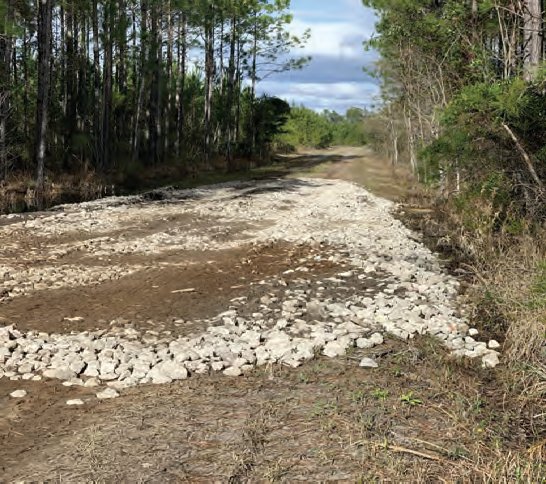
Winter is often very wet in the mid-south which makes this a great time to identify and assess problem areas along roads where work will be needed next summer. Make notes or identify areas on maps that you can refer back to when you start to repair roads next spring or summer. You will be glad you did. Once your property dries out, it can be difficult to remember and/or find the areas that were bad during the hunting season. Although many landowners/hunters access properties during hunting season on 4-wheelers, electric carts, or other gas-powered ATV’s that will certainly get through wet and slippery roads, roads are an important part of managing a property. If you are actively managing your property, you will need to be able to drive or transport large equipment such as spreader trucks, tractors, and agriculture buggies throughout the property. Thus, having good roads is essential.
Trap and remove nest predators.
If managing for wild turkeys and quail are goals on the property you hunt, don’t overlook the value of removing nest predators such as raccoons and opossums. Having said this, attempting to control predators should not be a priority if you are not actively managing the land to promote quality turkey and quail habitat. Creating and maintaining quality habitat should be the highest strategy on the list for managing game birds. Wild turkey is a species that responds quickly to good habitat management such as thinning timber, burning, understory control, food plots, roadside management, etc. However, research has clearly demonstrated that nest predators, particularly raccoons, can significantly impact nesting success rates and thus turkey population growth. Not only will they eat the eggs, but they may even kill the vulnerable hen turkey while incubating the nest. Winter is a great time to trap and remove nest predators. This is also when hunters spend the most time at a property. Trapping offers a great mid-day management activity during a weekend at the camp. The key in being successful and efficient is to pick good trap locations. Water sources, feeders, and food plots can be good places to start. There are many effective traps available. The most common are live traps (cage traps) and steel traps (leg hold traps). If you use leg hold traps, I recommend “soft-catch” or offset jaw traps. These traps do not damage the foot of the trapped animal in the event that you catch a dog or other non-target critter. If you have never trapped before, you will learn a lot by trial and error. I recommend doing a little homework by surfing the web and YouTube to learn effective techniques. One more thing to know is that nest predators are prolific and have relatively high reproductive rates. This means that populations can rebound quickly. To be effective in controlling nest predators and helping turkeys and quail, you must significantly reduce nest predator populations and continue to aggressively remove them each year.
Conduct maintenance to equipment.
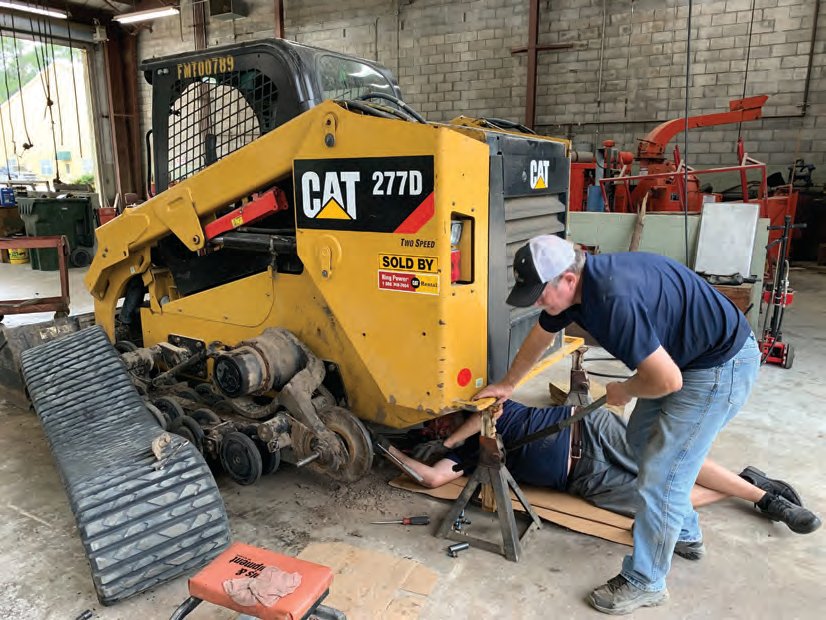
As a land manager, quality/working equipment is essential to success. While the list of equipment used to manage hunting/recreational properties is wide ranging, most managers have, use, and need the basics such as farm tractors, tractor implements (such as harrows, mowers, grain drills, spreaders, sprayers, etc.), UTVs, chainsaws, and other mechanical “hand tools.” To remain in good working order, this equipment will require proper maintenance. Without maintenance, these tools will begin to wear down until they eventually break. This can result in costly repairs and added downtime in which projects fall behind until the machinery or equipment is fixed. Nothing is more frustrating than planning a food plot planting project, getting everything ready, finally getting the right weather and soil moisture, then having a tractor or implement breakdown. There are two forms of maintenance. The first being repair maintenance, which is conducted once the equipment has started to malfunction or has completely broken down. Preventative maintenance is a program designed to prevent equipment from failure – resulting in less repair maintenance. Preventative maintenance varies depending on the equipment but generally consists of checking/replacing fluids, seals, filters, hoses, blades, batteries and/or electrical parts, screws/bolts, etc. In a nutshell, it is giving equipment some love before neglect results in breakdowns. Winter is a great time to conduct preventative maintenance on equipment. Doing so can be a relatively easy project between hunts. Of course, there’s absolutely no way to avoid breakdowns and damage in the long term. No matter how much care you give your equipment, it will ultimately breakdown. However, preventative maintenance certainly slows down functional decline but also helps keep equipment in reasonably good shape in the event that you decide to trade it in or sell for new. On larger more complicated equipment like farm tractors, skid steer machines, back hoes, etc., keep in mind that maintenance must be done properly to be effective. For this equipment, consider an annual “checkup” by a professional. Although hiring a professional mechanic to perform preventative maintenance and checkups will be an expense, it is money well spent. Part of your preventative maintenance program may include hiring a mechanic each winter to visit your “equipment shed” to perform checkups. One of my philosophies is that if you take care of your equipment, it will take care of you.