
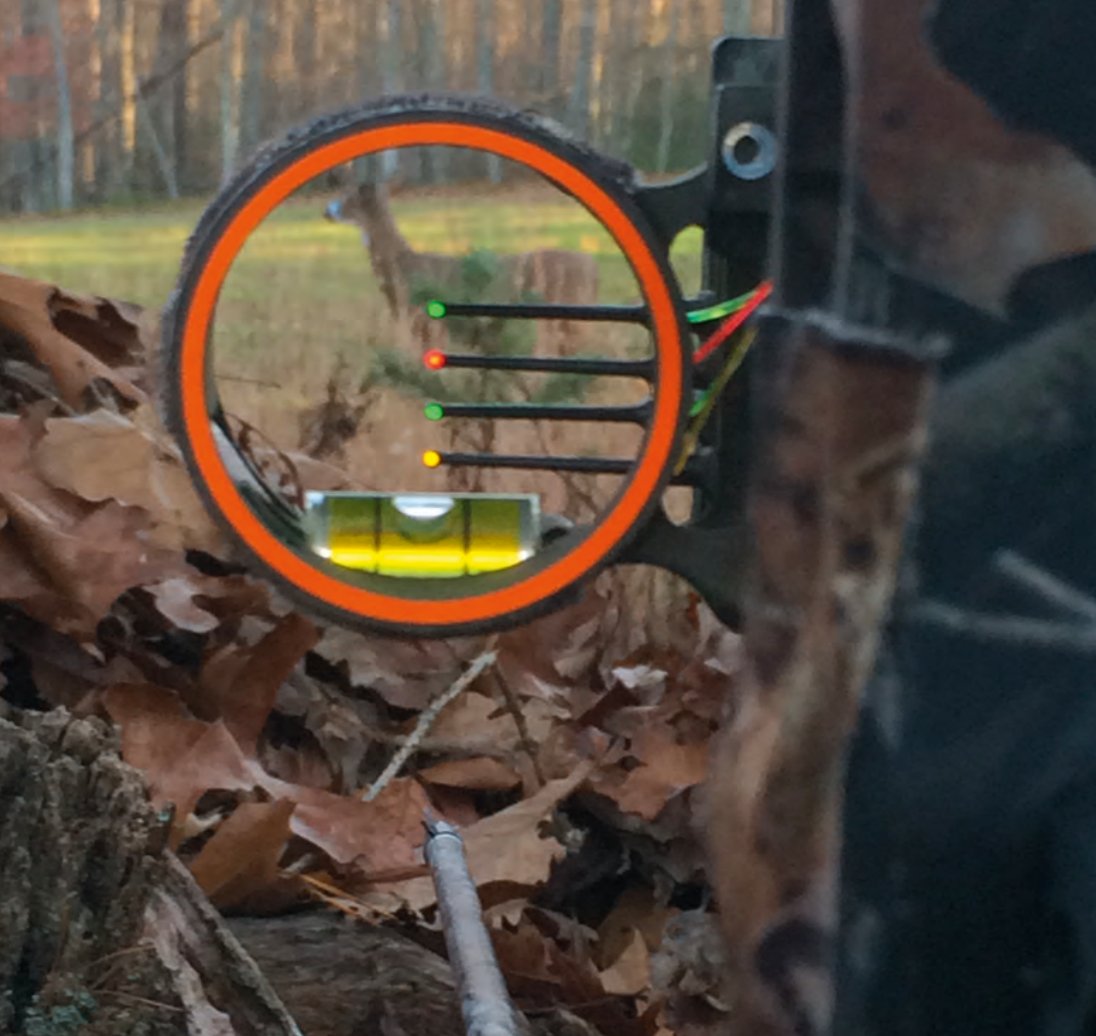
Keep disturbances on your hunting property to a minimum
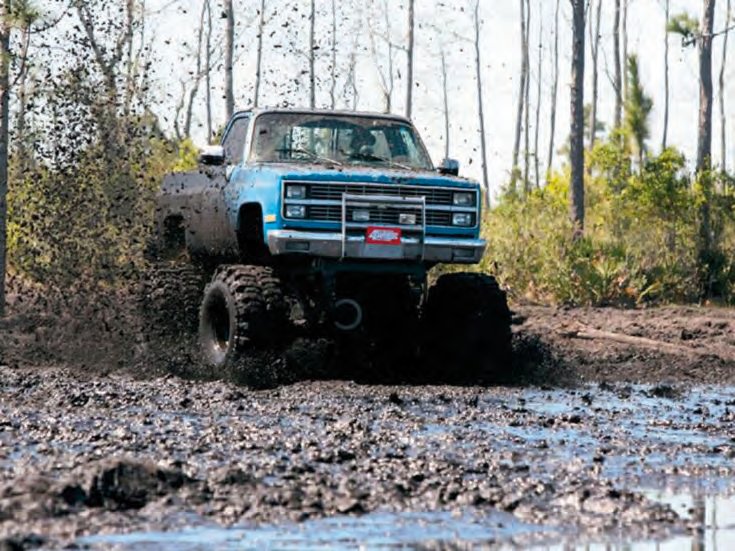
While many things need to be done on a hunting property during early fall (like activities included in this calendar), minimizing seasonal disturbances on the property before and during hunting season will result in better hunting experiences. By seasonal, I am referring to disturbances that do not happen throughout the year or disturbances that deer are used to, such as tractors performing routine work. Human activity significantly increases on most properties before and during hunting season. These activities may include things such as UTV or 4-wheeler action, joyriding, full-scale scouting missions, hunting stand preparations, repeated checking of dove fields or duck ponds, or constantly checking trail cameras. As you would expect, most wildlife responds negatively to excessive or uncommon disturbance. If you are actively managing your property, there are things you must do that will add “disturbance.” But if you want to maximize hunting experiences, make efforts to minimize the impact of these disturbances.
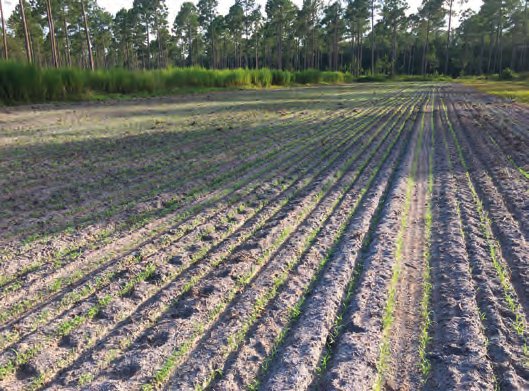
Coordinate food plot planting with good soil moisture
October through early November is often the best period to plant fall food plots in the Southeast. The goal is to plant when conditions are favorable for maximum seed germination and plant growth. Do not fall into the trap of planting too early. Unfortunately, many landowners and hunters plant in early-mid September. Some hunters, particularly hunting clubs, even pick a specific weekend that food plots will be planted well ahead of time and do not have any idea of what the soil conditions will be like….but they plant anyway because “that’s when we plant every year”. This is often a very dry period across the Southeast, which could lead to food plot failure. If planted in September and you are lucky enough to receive adequate rainfall, food plots may grow rapidly, resulting in over-mature (i.e., high/tall) food plots that are less attractive to deer by the time hunting season arrives. If an abundance of acorns are present during this time, plots receive less browsing pressure by deer which allows the plots to grow even more. I commonly get calls from hunters in November asking why deer are not really using their food plots. The most common reason is the crops were planted 2 months ago and the crop/food plot plants are mature, not vigorously growing, and “hardened” up making them less palatable. There are also increased chances of armyworm problems in September when temperatures are warm. In most areas of the Southeast, more consistent rainfall events begin in October as cold fronts push across the South. Planting “later” (meaning in October-November) will also result in young, tender food plots that are extremely attractive to deer and other wildlife during hunting season. When planted under the right conditions (adequate soil moisture), plots germinate quickly and deer will begin using them within two weeks after planting. My point is not to feel rushed to get seed in the ground. Focus more on planting under favorable conditions. There have been several articles related to food plots and planting strategies in past issues of Wildlife Trends. Refer to these articles for more detailed information.
Conduct a camera survey to assess the status of your deer herd
Monitoring the status of a deer herd is the backbone of the success of a deer management program. Collecting and recording harvest data (weights, measurements, ages, etc), hunter observation data (number, sex, and quality of deer you see while hunting), as well as population surveys provide information about the deer herd that will allow you to make sound deer management decisions and adjustments in strategies where needed to accomplish your goals. Without this information, you are simply guessing. If you are like me, you spend way too much time, money, and energy managing your property to just guess how many and which deer to harvest. I want to know.
Conducting a camera survey is the best tool available to assess the status of your deer herd (number of deer, buck quality, fawn recruitment, sex ratio, etc.) and make buck harvest decisions before you head to the woods. The best times of the year to conduct a deer survey is when natural food availability is at its lowest which is generally late summer/early fall and late winter before spring green up. Most managers conduct fall surveys (September through early November) because they also use the photographs to make buck harvest decisions before hunting season. The ideal time to conduct a fall survey is soon after bucks shed velvet but before an abundance of acorns drops.
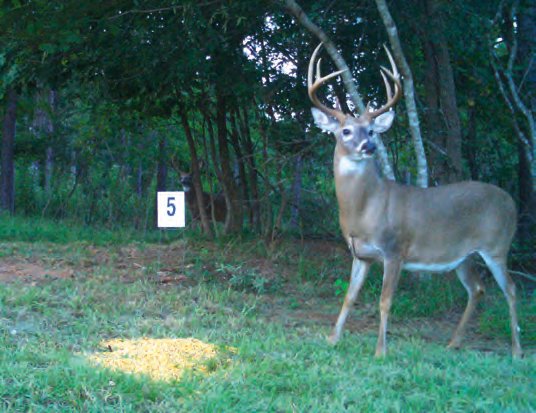
Regardless of whether you conduct a full-scale survey or simply use cameras to scout, photographs from trail cameras are a great tool to assess buck quality and make buck harvest decisions before the moment of truth in a deer stand. I have seen many young bucks with great potential make it another year because they were placed on a “do not shoot” list that came from a trail camera photo. If you use the trail camera photographs to make buck harvest decisions, they should be deployed in late summer or early fall.
Make final equipment and gear preparations for duck season
Flooding strategies on managed duck ponds should be well underway by early November. Teal are generally the first to arrive in September, followed by the fall migration of other waterfowl in October and November. In most areas, the general duck season opens in November. Outside of managing the water levels and ponds themselves, now is a good time to make final preparations of things related to the hunt itself. There is nothing worse than looking forward to the first duck hunt and, before daylight of opening morning, realizing that your waders have dry rotted or that your duck blind is full of fire ants! Make preparations now to ensure you are ready to have a fun and successful hunt. While everyone’s situation is different, a few items I recommend checking include waders or rubber boots, boats (lots of things to check here), paddles or push poles, lights, decoys and rigging, obstacles along paths to and from duck hunting blinds, the blinds themselves, platforms for dogs, and shotguns…to name a few. I say all these things from experience!
Save leftover seeds from fall food plots
If you have food plot seed leftover after planting this fall, save it. Some seeds can remain viable for a long time and can be used next year, particularly if it is stored in a dry/cool place (I often store seeds in a walk-in cooler to prevent problems with rats and bugs). When planting time comes around next year, simply conduct an easy germination test to determine if the seed is still good. Take 50 seeds and place them on a moist paper towel in a windowsill that receives sunlight. Monitor and keep the paper towel damp over the next week to 10 days. The number of seeds that germinate will tell you how much of the seed is still viable. If 30 of the 50 seeds germinate, then your germination rate is roughly 60%. Adjust planting rates accordingly to ensure adequate coverage is obtained. If the seed is bad, say only 30% germination, I simply use it to feed birds such as quail, turkeys, and dove. Don’t toss that old seed out – planting old seed can save you money.
Record and utilize deer hunting observations
Quality deer management involves more than producing quality bucks. It should create quality hunting experiences as well. Collecting hunter observation data (where hunters record the number of deer and quality of deer they see while hunting) allows you to monitor the hunting quality of the property. Adjustments in management and/or hunting strategies can be implemented accordingly to promote better-quality hunting if needed. Additionally, hunter observation data is a great (and cheap) method to help assess some parameters of the deer herd. Although a camera census is, by far, the most accurate way to collect information regarding the deer herd, trends in population parameters such as the adult sex ratio, buck age structure, and fawn recruitment can be monitored through hunter observation data. However, for this data to be meaningful, it must be collected accurately each year to track trends in the data. Hunter observation data is also a good way to assess hunting strategy success. When recording this information, hunters generally record when and where they were hunting (e.g., PM-food plot, AM-woods, AM-clear cut, etc.) and what they saw. When the data is analyzed, it provides insight into which hunting methods and areas are most productive for the property. For example, through hunter observation data collected throughout the season, you may find that hunters saw more mature bucks per hunt in thinned pine stands in the morning versus the afternoon. Thus, you can adjust your hunting strategies to enhance the productivity of your hunting time.
Prune and clear hunter access trails to deer stands
Hunters that consistently experience successful hunts “micromanage” how they navigate a property and their access trails. That is, these trails are pruned and established during the initial setup (which often takes place right after hunting season), but as the season approaches, they take time to prune and completely clear the path of all debris, including leaves. The goal of clearing the path is to remove vegetation that may rub against a hunter walking in or out on the trail (scent management) and provide a silent walking path. Clearing the trail is done with a leaf rake or even a leaf blower. The result is often a bare dirt trail that allows hunters to silently sneak to and from stands. Clearing access trails, particularly to food plot stands, is something that needs to be done periodically throughout the season. When providing hunting guidance to clients, I often describe it this way – if there were 8 deer already on the food plot when you arrived, you should be able to sneak in and slip into the stand undetected. If you can do this, you will apply significantly less disturbance (particularly when leaving a stand at dark with a field full of deer) and will have better hunts throughout the season.

Develop a winter burn plan
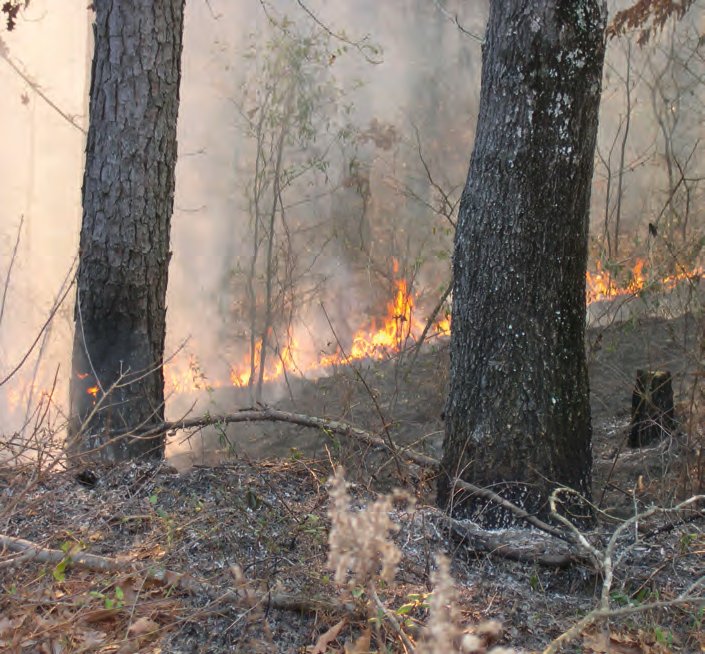
Because most landowners and/or hunters will be spending a lot of time on their property this time of year, October is a great time to identify areas needing fire and develop winter prescribed burn plans. Burn plans do not have to be super complicated. However, the details required in the plan will depend on whether you will be burning yourself or if you are hiring a contractor to conduct the burns. If you are hiring someone, like the Division of Forestry or a private forestry consultant, your goal is merely to identify the areas you think need to be burned. Once you have a rough idea of areas to burn, I recommend spending some time touring the property with the contractor to further discuss each area and ultimately to get aligned on specific areas to burn this winter. Once each area is identified, a more detailed burn plan can be developed. Such a plan would include prioritizing areas to burn, what type of management is required before burning (such as installing or refreshing fire breaks), which burning techniques or strategies to use to achieve desired results, and the range of fire weather that would allow safe burning of each burn area. A burn plan is a written prescription for conducting a prescribed fire, including critical elements such as the weather conditions under which the burn will be conducted, the number of personnel and duties of each, and the type, amount, and placement of equipment needed to safely conduct the burn. As most know, fire is an exceptional tool for creating and managing quality wildlife habitat. Developing a prescribed burn plan will provide a guide to ensuring burns are conducted under favorable and safe conditions. Developing burn plans from the summer crops that will provide additional food sources for turkeys and quail during the winter. Standing dead summer crops such as grain sorghum, corn and millets provide additional edge habitat and can be used to create “soft edges” along areas where food plots or fields abruptly meet mature forests. Soft edges can provide areas where deer feel safe and comfortable as they enter a food plot. Deer will often emerge from the woods and stand in the soft edge habitat as they check the field for danger. This allows hunters to observe and judge deer before entering the field. Depending on the size of the food plot, I typically leave 10-15 feet of standing dead summer crops to create the soft edge.
Harvest deer
Although biologists provide guidance on how many and which deer to harvest, hunters are the real deer managers. Remember that you are making a deer management decision each time you pull the trigger. In fact, not harvesting a deer is a management decision. Unfortunately, I see many landowners with goals of producing high-quality or trophy bucks that allow the deer herd to overpopulate because they like seeing 20+ deer when they go to a stand. This situation often results in a poor-quality deer herd with significant dispersal of deer to surrounding properties, less reproduction and fawn recruitment, and ultimately poor-quality antlers. If your goal is to manage for a quality or trophy deer herd, harvesting an adequate number of deer each year is essential to keep the deer herd and habitat healthy. In addition to maintaining a desirable deer density, harvest is the primary tool used to manage the adult sex ratio of a herd. Maintaining a balanced sex ratio will result in a much healthier deer herd, better quality bucks, increased fawn survival, and exciting hunting. Balancing the adult sex ratio is also one of the tools I use to increase breeding competition and get mature bucks on their feet so that my clients can see or harvest them (which is always more challenging than growing them!). When harvesting does, especially early in the season, make attempts to do so in a way that minimizes hunting pressure and preserves hunting quality on the property. Avoid harvesting lots of does on food plots before the rut if you plan to hunt the food plots for mature bucks later. There are always “low impact” options for taking does. Places such as woods stands, powerlines/gas lines, or clearcuts are great choices.