
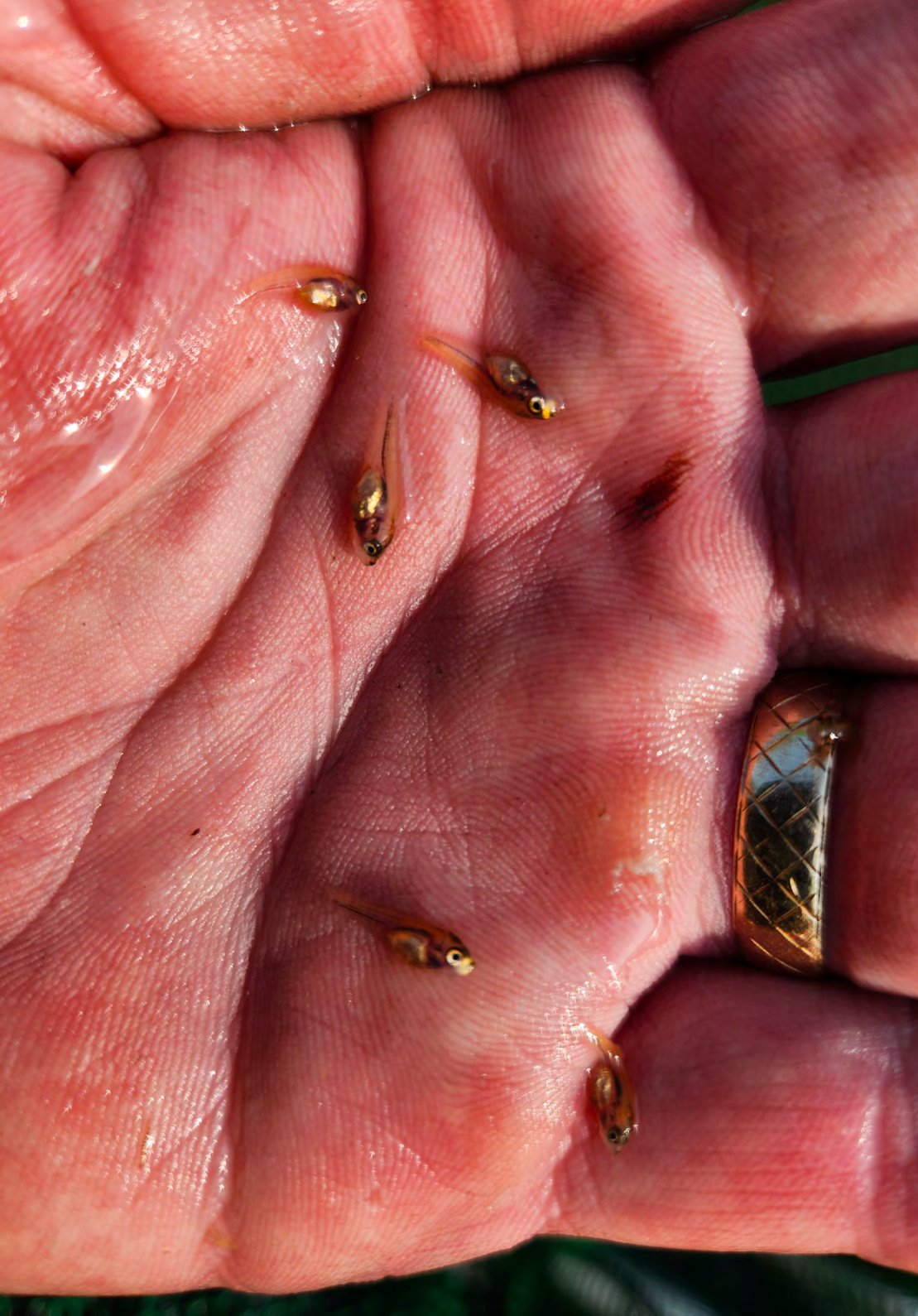
Of all the issues we face in lake management, lack of patience is probably the hardest to deal with. Even us, the professional lake managers get impatient and frustrated sometimes because things are taking longer than we think it should. Manipulating/improving nature is not for the impatient. Unfortunately, today’s society is “Instant Gratification” and success oriented where putting forth little effort or time has become the norm expecting big results. It’s hard to tell lake owners in almost whatever we do that it will take time to experience the results they want. Sometimes we start scratching our own heads questioning why something isn’t working. This year we saw this on several properties we manage where we were questioning our own knowledge and skills, but then BOOM, it happens the way we drew it up (thank goodness).
Everyone always asks, “how long does it take to grow a 10-pound largemouth bass?” In Florida, in a natural system where it is not managed, it usually takes about 10 years on average. If the ecosystem is more productive, slightly less, if low productivity, a little more. I use Florida because it has the longest growing seasons out of anywhere we work, so the farther north you go, the slower they grow due to shorter growing seasons, again in non-managed waterbodies. In intensely managed waterbodies, it may get down to six years to reach 10 pounds if all the planets AND stars align. Again, still not overnight.
Water chemistry is the foundation of any aquatic ecosystem. With poor water quality, fish cannot thrive. Fish may be present, but they do not achieve maximum growth rates, size, spawning success, or numbers. One technique used to modify water chemistry is to improve water clarity in turbid (muddy) lakes. Just after a pond/lake is created, there is time required for sediment to settle. This time can be shortened by planting grass as soon as it is completed, before it even fills. As it fills, the flooded grass dies, but maintains soil stability as the waterbody fills reducing sediment runoff from around the sides as water runs in. Sediment settling can take a year or two before plants fill in and suspended sediments completely falls out and becomes permanently adhered to the lake bottom. People lose patience and want to treat the lake with Gypsum or hay to clear the water up, which it may, but if it’s too soon, it will become muddy again during the next big rain event.
Some lake owners that run a fertilization program occasionally need to lime their waterbodies to raise the pH so the algae blooms will occur. Apply the agricultural lime in early fall to allow pH to slowly rise over the winter and then fertilize late winter or early fall and your success will be much greater. Adding liquid lime and raising the pH quickly following up with fertilizer applications may have two adverse effects. First, quickly raising the pH can kill fish. Secondly, the fertilizer may not grow planktonic algae quick enough, but may grow submerged and emergent plants instead, to where they need herbicide treatment and you never achieve an algae bloom.
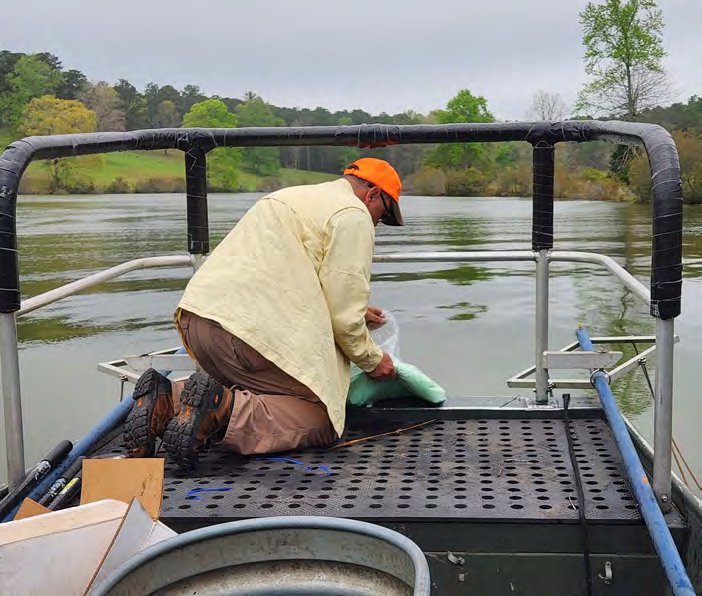
There is a procedure to follow requiring patience when turning on a new bottom aeration system or one that has not been running for some time. Lake owners like to speed up this process or bypass it entirely, while putting their entire fish population at risk. We recommend turning on the aeration pump on day one for two hours; day two for four hours, day three for eight hours, day four for sixteen hours and day five leaving it running continuously. If you turn it on and leave it in the beginning, it can move all the low or no oxygen water from the bottom to top, not adding enough oxygen and creating a roll-over and killing all the fish. This procedure is particularly important in the summer and winter when the water is stratified. We still recommend it in all seasons to err on the side of caution.
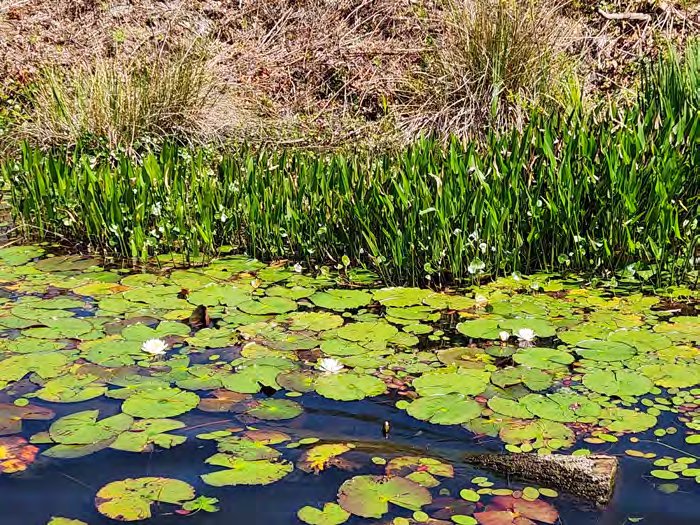
Vegetation management, whether adding plants or reducing them takes time. We frequently aquascape new lakes adding desirable, native aquatic vegetation. No matter the lake size, most landowners do not want to spend a lot of money on plants, but they are a necessity to create a quality aquatic ecosystem and fishery. We like to sparsely plant plants around the lake and let them fill in over time, as opposed to moving or buying enough plants to instantly fill in the entire shoreline. If certain species take off quicker than others, thinning those areas by digging some up and moving them elsewhere in the lake helps them spread faster. This takes a few years, depending on the area, soil type and species of plants you are working with. Do not plant species just because they are fast growing, this creates problems afterwards of more shoreline or way from shore coverage than desired, and extensive herbicide work is required.
Lake dye is a good tool for controlling certain underwater plant species. However, the time to start dying is in late winter/early spring. If you have a plant issue arise in mid-summer and you treat, you may kill the target plant species, but you may also drop the dissolved oxygen level to stress or kill fish. The same with getting rid of planktonic or filamentous algae. Some lake owners do not want an algae bloom (green water), but you cannot treat in summer with a copper-based product, again, you will stress and may kill fish. In both scenarios, waiting until fall is required to safely reduce the target species without causing stress or kill fish. Unfortunately, we have seen this happen more than once where the lake owner became impatient and treated something without consulting us, causing a massive fish die-off. But we have also been consulted and our advice adhered to, with a grateful lake owner that did not know the consequences of not waiting.
We always tell lake owners when dealing with a problem plant species, do not treat the entire lake at once during the summer. During spring and fall, most vegetation issues can be addressed all at once, without breaking up into partial treatments. In summer, spray herbicide on approximately a third of the plants, wait 10-14 days and treat another third, and repeat. In some situations, the remedy is to not treat at all, or just around the dock, swimming hole or boat ramp and wait for fall and then treat the remaining problem plants. Dying plants remove oxygen through decomposition from the water, and with elevated water temperatures, dropping dissolved oxygen can stress and/or kill fish. Lack of patience here can wipe out your fish population, and unfortunately, we have seen it happen. It is hard to tell a landowner he or his staff killed their fish, but it does happen. Even professionals have caused fish kills by trying to push the envelope and wanting things done before they should be. It is better to err on the side of caution than having to perform a lake restart.

Plants like Hydrilla test both lake owner’s and lake manager’s patience. Lake owners want it gone immediately. Hydrilla starts growing undetected underwater and the lake owner doesn’t see it, or does not realize how fast it grows and spreads in the hot summer months. By the time they want to treat it, it may be everywhere, and too late. Floridone (Sonar) is usually the best herbicide for Hydrilla, followed by a moderate per acre rate stocking of triploid grass carp. Once you have certain aquatic plant species, you will never get rid of it, as in a plant like Hydrilla can return after being dormant for over seven years. But many lake management companies play on the lake owner’s desire for instant gratification and will either excessively treat and stock grass carp all at once, or just excessively overstock grass carp to eat all the problem plants that are present. The target plant will disappear, the lake may turn muddy or a deep green with a rich algae bloom, with no more vegetation in the lake for the carp to consume. No new vegetation will grow, because the carp eat it as fast as it sprouts out of the soil. The carp may root underwater looking for food, making the water muddy. The lack of patience has produced several problems that are not easily fixed. Removing grass carp is a slow process and best done with trotlines, but still slow if a large number needs removing.
Floridone now comes in various release speeds. We once treated an 18 acre, topped out lake with Hydrilla in October in North Florida. By early March we were wondering if the treatment failed (there are Floridone resistant plants now), but in April all the Hydrilla fell out, the water turned a perfect green, we stocked triploid grass carp and threadfin shad a year later and there was terrific fishing for several years as the carp kept the Hydrilla in check, the water stayed green, the threadfin shad thrived in the green water, and that waterbody had some of the best bass and bluegill fishing in North Florida for several years. Having patience, not re-treating with herbicide and/or throwing a large number of triploid grass carp in lead to a phenomenal fishery.
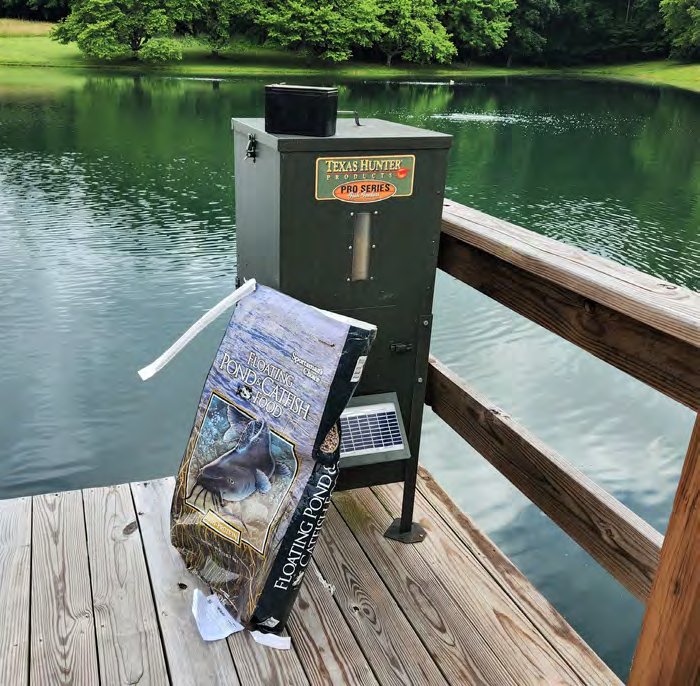
Starting a supplemental fish feeding program may have fish feeding within hours, or it may take a few days or even weeks for large numbers of fish to start congregating when the feeder goes off. Each waterbody is different, depending on acreage, depth, shape, fish species and population density. If they were feeding and abruptly stop, discontinue feeding and restart in two weeks. The water temperature may have gotten too hot, or a dip in dissolved oxygen may have caused them to reduce or stop feeding due to stress, but they will start up again when waters cool or dissolved oxygen levels rise.
Some lakes are identified as Hyper-Eutrophic where they are excessively green (visibility 12-18 inches) most of the year. These waterbodies can grow big bass and lots of them quickly, as they are highly productive. However, you are also “living on the edge” as a massive fish kill can happen at any time. These lakes usually have a couple months in the summer when fish feeding slows or stops due to the fish being stressed. If your waterbody is twenty acres and 20 feet deep, during certain times of the year, fish may become trapped in the top 6-7 feet of water, because it has become stratified without aeration. During spring and fall the fish may be from top-to-bottom, because dissolved oxygen is at acceptable levels throughout the water column. When all the fish in the population become cramped, they become stressed, reducing or stopping feeding. Try fishing these periods in that top six feet of water, with a noisy lure, if the bass are feeding, you will catch them. If they are not feeding, they will watch and listen to your lure go by every time and not strike. The rapid growth and numbers of bass present far outweighs the patience required to not catch fish a few weeks during the hot summer months.
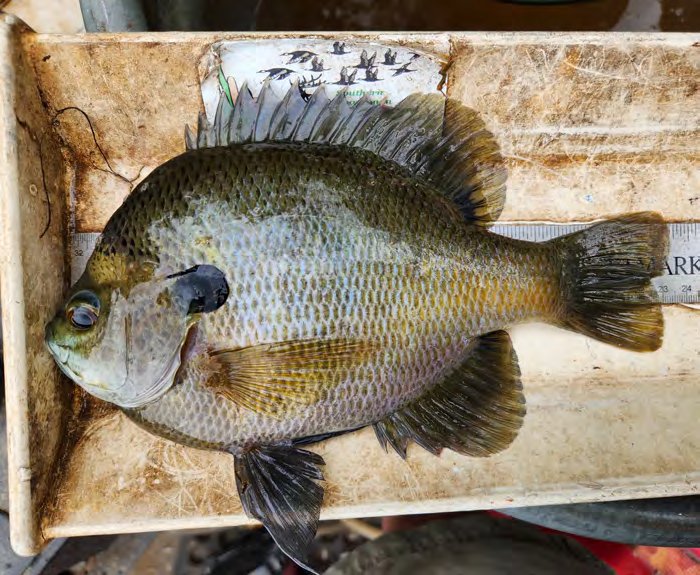
Managing the fish themselves and seeing great improvements in fish populations takes time, whether you have patience or not. Mother Nature doesn’t care about your budget or desire to have big fish NOW! With new lakes, we like to stock most or all the forage 6-12 months prior to the predators (largemouth bass, black crappie, stripe bass hybrids, etc.) being stocked. This is excruciating for a lake owner, knowing there are no largemouth bass in their lake growing. Stock the forage, allow them to grow. Depending on the species and size at stocking, they may spawn before the predators go in. A forage spawn provides even more food for the bass when they arrive. The bigger head start the forage has, the better for the predators to follow. If you are doing a restart and have multiple lakes, go 18-24 months prior to stocking the predators, and fish your other waterbodies until the restart gets established.

The most common time patience is needed, is when converting a neglected fish population with high numbers of small, stunted bass and little or no small-to-medium-sized forage present. The process of removing large numbers of small bass and stocking forage in numbers great enough so they will self-support themselves takes time. One stocking of threadfin shad and/or golden shiners with one year of removing 25 small bass per acre does not lead to five-to-seven-pound largemouth bass in 12 months from a population solely full of half to one-pound fish the year prior. Continually removing bass at the set size and per acre rate, along with continued stocking of forage may take two-to-four years until you document forage is increasing naturally and bass are growing at an accelerated rate. Changing a largemouth bass population from stunted to quality takes three-to-four years of stocking forage and removing large numbers of small bass to see a real difference. Patience is required to do it right and have lasting results.
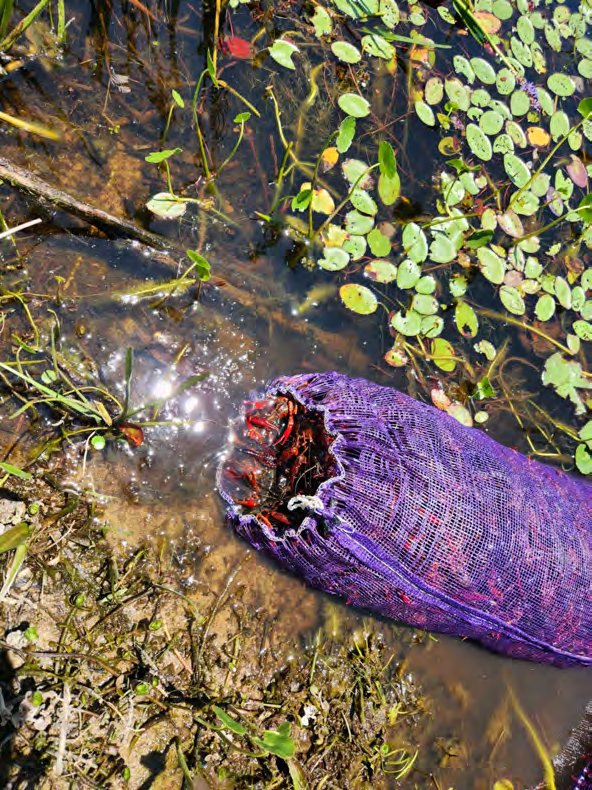
Some lake owners try and skip several years of development time by trying to find and stock quality (large and older) largemouth bass into an already stunted bass population. Stocking big bass needs an already healthy forage population, with all size forage available in large numbers, which is not the case if there are already too many bass present. Besides a forage issue, almost no one is selling big bass. If a lake owner has big bass, they want to keep them, unless they are selling the property or draining their lake to make repairs, enlarge or scrape organics from the bottom. Remember, big bass are nearing the end of their natural life, so 6–10-pound fish may only live a year or two more, and you may never catch them before they die of old age. If you do decide to move big largemouth or purchase them, check your state regulations, as some states do not allow the moving of certain fish species from lake to lake, or from out of state into their state, due to genetic integrity, as is the case in Florida.
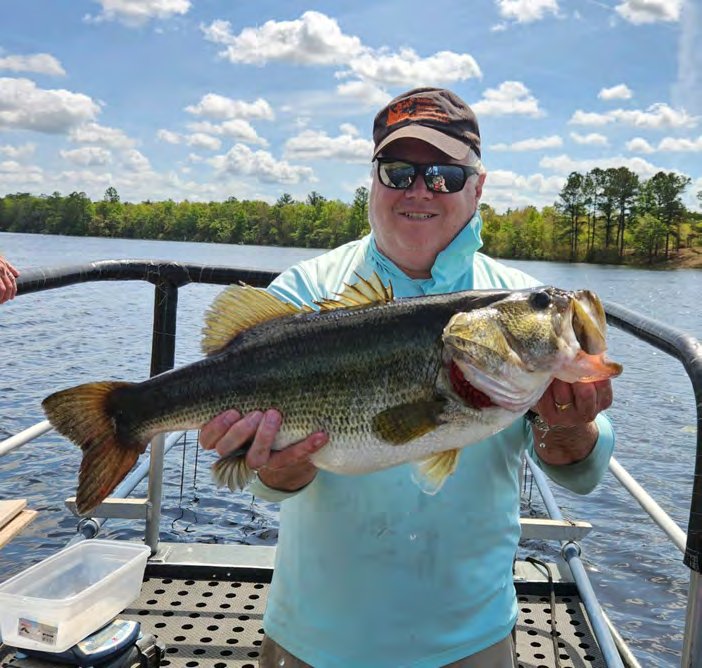
Fish and wildlife management is not an exact science, there are multiple ways to achieve your goals. There are things that can be done to speed up Mother Nature, but even when speeding up time, patience is required as to not make an unreversible mistake that sets you back several years, as opposed to moving forward from the present.