So you have finally found that majestic “get away” where you can leave all your cares and worries of the office behind and chase the old long beard or double drop tine. You’ve got all the stands hung and the green fields planted. The cabin is cozy and set up just right to house the lies of each encounter with the old “ghost buck” that no one can seem to lay to rest. Everything is perfect, except you have no water to catch a trophy largemouth bass. Or maybe you do have the water, it just doesn’t seem to hang around all year and you don’t know how to make it stay. I may not build ponds and lakes but I do manage them and in doing so I have picked up a couple of helpful tips to get you on your way to completing the ultimate trio as a land owner, long beards, whitetails, and largemouths! In the next two articles I am going to address some of the many questions like deciding on a pond builder and options for fixing a leaking pond that I have been asked over the years.
Most every land broker agrees that having a water feature on your property can help increase its monetary value. Almost every land owner agrees that having a water feature can increase its enjoyment value. But does every tract of land have the potential to house some of the fattest bass in the southeast? With the right planning, just about any piece of property can have the potential to grow a trophy. So, where do you start?
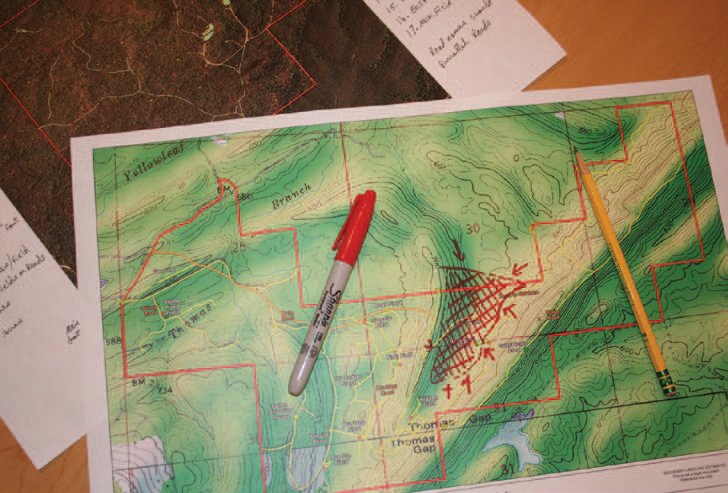
The first place to start is with a note-pad and pen on the kitchen table of the cabin. The best advice for a landowner wanting to build a pond is to have a plan. This plan should start with the goals you as the land owner want for the pond or lake and the fish population it supports. Do you want a trophy bass fishery or just a nice place where the grandkids can learn to fish? A major goal of this plan should be where to build the lake. Most land owners have an idea as to where they want to build a lake on their property. If you have no idea or you just bought the property, a quick glance at a topographical map will reveal some possible locations. The final goal in the brainstorming process is deciding how much you want to invest in your new lake. Lake construction ain’t cheap! Your budget will likely determine the size of lake, but remember, throughout this process have flexibility because there are always unexpected occurrences that cost.
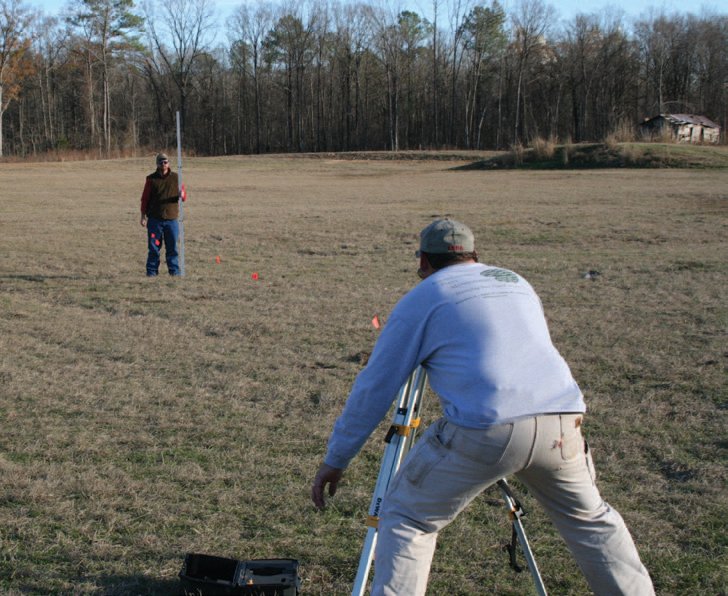
Once you have an idea of the type of lake or pond you want, the next step is to call someone like me! A good fisheries biologist will have the answers to the questions you had while brainstorming at the cabin. I can point you in the right direction regarding contacting a good pond builder and/or engineer and eventually you are going to need a good place to get fish. Having an expert in that field like me during the starting phases of the lake can help prevent you from making mistakes that pond builders know nothing about. During the beginning phases, I prefer to meet with you, the land owner rather than just talk on the phone or through email. Many times I have met with the land owner and either an engineer or land surveyor during this phase and we physically laid out the pond. We flag the shoreline and can estimate the size and placement of the dam. I can also get a feel for the type of fishery you want and based on the estimated size of the lake we can start planning the stocking regime.
You and I have talked and hopefully we have had a chance to meet. I have given you the names of some good pond builders in your area and you know the estimated size and location of your dream lake. Now it is time for you to do a little homework! Your first assignment would be to interview at least three different pond builders.
Don’t just settle on the first one because he seems good! Ask a ton of questions and compare quotes they give you for the scope of work needed to create the lake. Always, let me stress, always ask for references and visit a few of the other ponds that builder has completed. Nothing speaks volumes like actually seeing a completed lake that has consistently held water for several years. For those of you dealing with a pond builder for the first and you don’t know what type of questions to ask, here are a few to get you started.
How many ponds have you built in the past and are they still holding water?
This is a good first question because if he has built a few ponds, then that gives you the opportunity to examine his work. A visit to one of his clients will not only let you see this pond builder’s work, but possibly get you an interview with someone else (the property owner) who has worked with this individual. Talking with the property owner can give you insight as to the builder’s duration of the process, the builder’s promptness and perseverance and whether or not the pond owner was satisfied. This can help you decide which pond builder is best for you and your time frame
What type of equipment do you plan to use to build my pond?
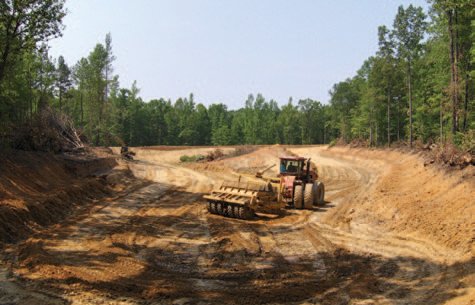
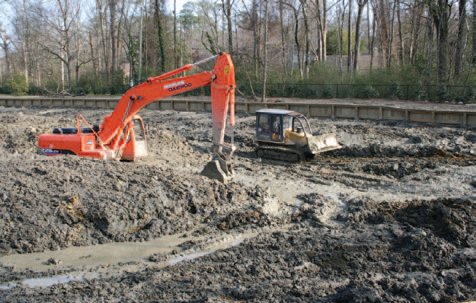
This may sound stupid, but if someone tells you they are going to build your pond with a backhoe and a bobcat, then you need to run for the hills. Most good pond builders are going to use a number of different types of heavy equipment to correctly build a pond. They should show up to your property with a trackhoe or excavator, bulldozer, dump truck and either a sheepsfoot roller or some other heavy piece of equipment to pack the dam core. You have to remember, you’re not just digging a hole in the back yard; you are creating a world class fishery and it must be built correctly and hold water for many years!
Can you guarantee this lake will hold water?
This is a trick question, but it will let you weed out the really bad pond builders. If someone ever guarantees a lake will hold water then they have either never built one before or they are just full of bologna. Ponds and lakes are pretty simple on paper, dig a hole and put up a dam. But there is more to it than that if you are going to build a lake that holds water. You have to have a suitable location, an ample watershed and some good clay material to build the dam. Once you have all those, you then have to have the right weather conditions to make the clay material to work. If it is too dry, like in the dead of summer, the clay won’t pack and the lake will leak. If it is too wet, like during the rainy winter months, nothing packs well and the lake will leak. For someone to guarantee no leaks, they are either crazy or have enough money that they can come back and rebuild your lake for free after the dam blows out. Either way, that is just stupid and I would advise not dealing with someone like that. The correct answer would be, “I can only guarantee that we are going to wisely use our resources to build the best lake possible for this particular lake site.”
What type of water control structure do you plan to use for my lake?
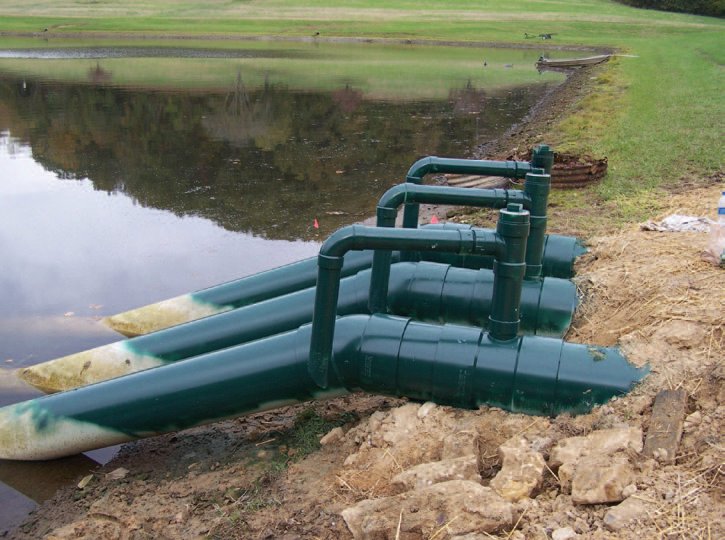
This question is mainly to see if the pond builder is flexible and open to suggestion. Almost every pond builder is going to tell you they prefer using a steel pipe riser and 90 degree fitting with a valve that connects to a smaller pipe which goes through the dam’s core and out at the bottom of the backside of the dam. This particular structure works, however, because it goes through the core of the dam, there is the potential for leaking issues which can become very costly. I will discuss some of these problems and some remedies in part two of this series on pond construction. I prefer a self priming siphon system as the major water control structure and if a pond builder is willing to change then he will probably be a good one to work with.
What type of soil/material do you plan to use for building the dam?
The only material that should ever be used in a pond’s dam is good packable clay or clay/benetonite mixture. If anyone ever tells you differently then you do not want them building your lake because it will not hold water! Many times this type of material can be found on the property, however if you don’t have a good clay material you can always bring it in from another source. A good packing material is one that will stick together when compacted.
Now that you have chosen the pond builder and all the details have been planned out, it is time to start digging, right? Well, there are a few other things to consider just before ground is broken on your dream lake. A major mistake I see a lot is when a pond builder leaves too much shallow water along the edges or in the upper end of the lake. Too much shallow water can lead to aquatic vegetation growth that can impact the lake’s fertilization program once the valve is closed and the lake is full of water. The fertilization program is designed not only to provide nutrients for the base of the food chain, but also shade the water column to help prevent aquatic weed growth. When a lake has been built with several acres of water less than three feet deep, the potential for aquatic plant growth is increased. It is far too dangerous to try and keep a phytoplankton bloom dense enough to shade out water less than three feet. So always have the pond builder dig to at least three feet in depth everywhere in the lake. The banks should slope fairly quickly and reach three feet at no less than a foot from the shoreline.
One question that is asked quite regularly is, “Can a pond be too deep?” The answer to this question is yes, ponds can be too deep. The fish we stock in the southeast, largemouth bass, bluegill, and redear sunfish, are mostly shallow water dwelling fish. They spawn in shallow water and for the most part live their entire lives in water less than six or eight feet deep. Also, the deeper water, those depths greater than 12 to 15 feet, becomes stratified in the summer which is unsuitable for fish. By adding more depth to your pond, you are just limiting the amount of real estate for your fish in the summertime. I always recommend having no less than three feet of depth in the shallower areas of the lake and no more than 15 to 20 feet of depth near the dam. Lakes with average depths of 6 to 8 feet seem to respond better to intensive trophy bass and bluegill management. If in the building process, creating a relatively deeper lake is inevitable based on the natural terrain, there are management techniques that can be implemented to benefit the management program. Installing a destratification system can help keep the pond mixed during those periods in the summer when lakes stratify and the deeper water becomes anoxic. This system is designed to enable you to pump compressed air through weighted hoses to stones placed in the deeper parts of the lake. The stones release millions of bubbles that will push the colder anoxic water to the surface where oxygen transfer can occur. A natural current is created and the lake is now useable to the fish population. By preventing stratification, you also lower the risks of a pond turnover, which is common during the dog days of summer.
A few other things that should be considered before building a lake are accessibility, applying agricultural limestone, and adding structure. Having a suitable road system to and from the lake and a having a boat ramp, either natural or concrete, is helpful when management activities such as liming, fertilizing and electrofishing need to be implemented. It also gives you access for your jon boat or even the Bass Cat when the trophies are biting. Most ponds throughout the southeast require regular applications of agricultural limestone to ensure a successful fertilization program. It is more expensive to apply lime once the lake has filled; therefore I always recommend adding lime, at least 4 to 5 tons per acre, just before the valve is closed. Structure is important to the fish population, however too much structure can be detrimental. I usually recommend adding one to two big piles of whatever you can find per surface acre of the lake. This will congregate the fish in certain areas and you don’t spend all day flipping a jig into every tree top in the lake.
The most important thing to remember when considering a project like building a pond or lake is to have a plan. There will be some deviations from this plan, but being prepared will save you money in the long run. Getting me involved in the lake’s construction from the ground up is helpful because I can provide tips that can benefit the management program before the fish are even stocked. Remember, you are creating a world class fishery, not a farm pond and cutting corners will only prolong the jerk of that “ten pounder.”