
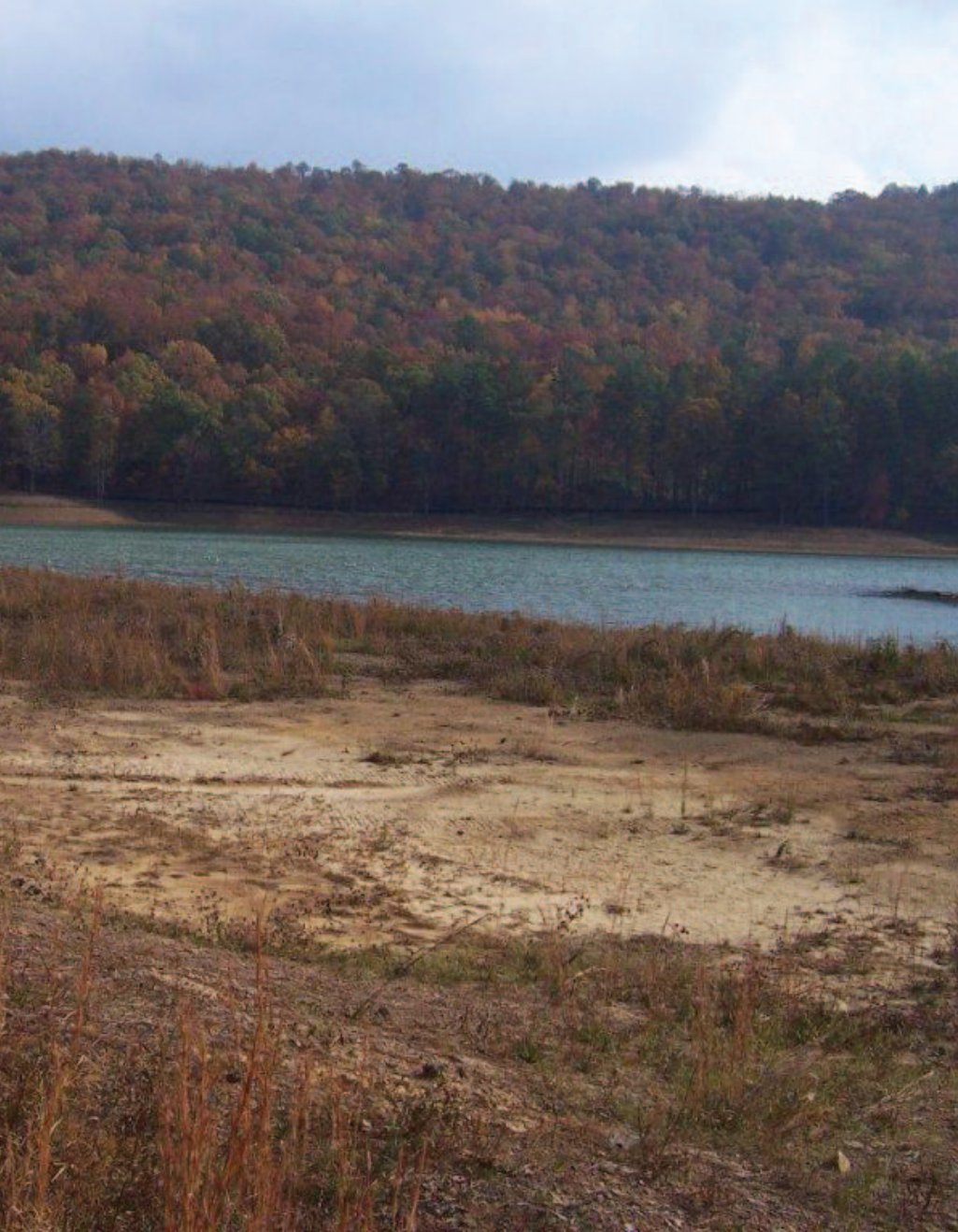
In Part 1 of “Pond Construction”, we covered the basics and pitfalls of constructing the trophy bass lake of your dreams. As we discussed last issue, there is a good bit of planning involved in construction of a new pond and if done correctly, it can be one of the most rewarding features on your property. But what if you already have a lake and it will not hold water? In Part 2 of this series, I am going to address some ways of identifying and repairing a leaking pond.
One of the most commonly asked questions I get concerning pond construction is, “how do you fix a leaking pond?”. This question can never be answered over the phone and in most cases leads to an onsite visit. At any rate, the first most obvious step is to try and locate the source of the leak. When dealing with a leaking pond, there are three major areas to investigate: the stand pipe or water control structure, the corners of the dam where the clay is tied into the natural terrain and the dam’s core.
Most lakes are generally built with the same type of water control structure, a steel pipe riser which is connected to a control valve and 90 degree fitting that is then connected to a steel pipe which goes through the dam’s core and exits on the back side. As ponds and lakes age, theses man-made parts, the steel pipes, fittings and the valve eventually begin to break down. For this reason, the input and output areas of the stand pipe are the first two places I examine when I visit a pond suspected of leaking. First, if the lake’s water level is lower than the top of the stand pipe on the lake side of the dam and water is coming out of the pipe on the backside of the dam, then the leak is in the piping structure itself. This type of leak is caused by rusted holes in the vertical pipe or leaking has occurred in the junction where the valve, 90 degree fitting and pipes come together. If you see no water coming out of the pipe, but you do see water coming from around or underneath the pipe, then the leak is most likely not the pipe’s fault. The water is probably running down the pipe and its point of origin is where the stand pipe first enters the dam.
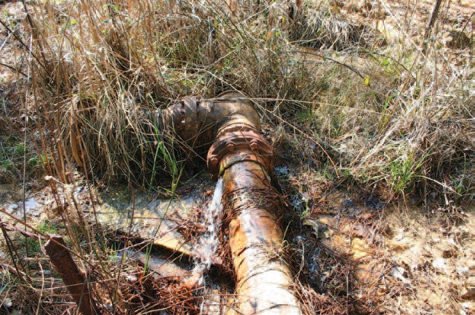
So what’s the solution? For leaks caused by rusted pipes, there are two fixes; either replace the old pipe or fill the existing pipe with concrete and utilize a different type of water control structure. If you decide to replace the old pipe, then the lake will have to be drained and you are going to lose your existing fish population. In lakes that have not been managed intensely and the fishing is far from phenomenal, draining and starting over should not be out of the question. A few things to remember, when the dam’s core is penetrated and the pipe is removed, it is critical that the new pipe be installed correctly and the core be repacked. I would advise that a professional pond builder be involved with this type of repair. If the clay around the pipe is not packed correctly, then you will have just repaired one type of leak to create conditions for a different type of leak to become problematic. Also, always remember that even though the lake was drained, if areas of the lake still held water during the repair process, then there is a possibility that some fish could have survived. If these fish are not eradicated before the lake fills, their presence can be detrimental to the restocking management program.
If your lake is “rocking” and you catch quality fish year round, then draining the lake and starting over is most likely not an option. Heck, I have a hard time convincing pond owners to kill their harvestable bass, much less suggesting killing the entire population to restock. That conversation can get quite ugly! I have come to realize that when dealing with passionate fishermen/pond owners, you must always have a backup plan when it comes to their fish! In the case of a leaking pond that supports a world class fishery, the back up plan must have nothing but the best of intentions for the fish population. The back up plan is then to fill the existing pipe with concrete and create another way for the water to exit the lake. The concrete will help seal the leak or leaks in the pipe and water levels can get back to their normal stage. Once the pipe is sealed there are two ways to control water exiting your pond; either by the emergency spillway or by installing a syphon system.
Correctly built lakes have an emergency spillway located somewhere along the dam to account for periods of heavy rainfall. An emergency spillway is an open channel that is lower in elevation than the top of the dam. They are often times lined with rocks, vegetation or can be made of concrete to help prevent erosion. In lakes that utilize a stand pipe as the major source for water flow, the emergency spillway is seldom needed. When the standpipe pipe has been filled with concrete, the emergency spillway can serve as your major source for water to exit the pond. This option works, but it does have drawbacks. First, the emergency spillway is designed to be used only for emergencies, meaning water very rarely goes through it. If the spillway is the only water control structure, as water consistently begins to pass through it, erosion can become problematic. Also, the emergency spillway is the first place a beaver will start working once it becomes the primary water control structure. During the spring and summer when ponds are intensely fertilized, the top three feet of the water column are your most oxygen rich and productive areas. Emergency spillways aren’t biased as to what water leaves the pond first and therefore when it is in use, that upper 3 feet of productive water will be lost.
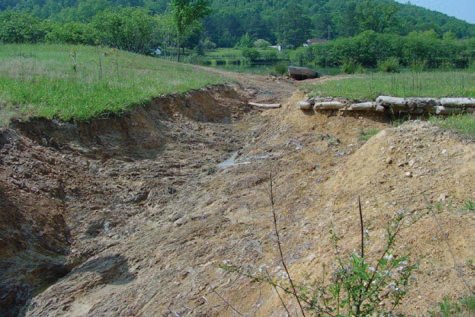
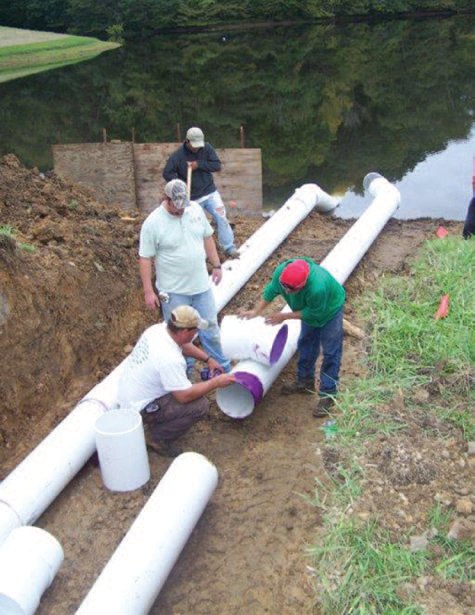
In my opinion, the best long term fix once the stand pipe has been filled with concrete is to install a siphon system. A siphon system is perfect for pond owners needing an alternative to using the emergency spillway for regulating water flow out of the pond. They are made of PVC pipes constructed together to draw water from the deeper, anoxic layers of the pond. Siphon systems are installed by lowering the water level a few feet (if it hasn’t already dropped because of the leak) and placing the pipe in a trench running just below the top of the dam at the natural water line. A smaller diameter pipe is attached to the main outflow pipe on the front side of the dam and is vented, which when closed, activates the system. Once activated, the main pipe fills and the water is siphoned from the lake. As the water level drops to the normal pool stage, the vented pipe is opened and the siphon stops. One of the major benefits to installing this system is that all the working parts are located above the water line. Any repair to the system generally only requires that the lake be lowered a few feet to access the pipe. Also, a siphon system allows for easy water level regulation, which can benefit the management program and general maintenance of the shoreline. Probably the most beneficial element to installing a siphon system in your pond is that it draws water from below the thermocline. Removing this water, rather than the top layer of your pond will help keep the much needed nutrients in your lake. Siphon systems are an excellent alternative to using your emergency spillway. However, I would advise having someone like our biologists check your lake before installing any type of water control feature.

Another area that I have seen leaks occur is in the corners of the dam and in the dam’s core itself. These two areas can be weak points of a dam and begin to leak if the lake wasn’t constructed correctly. If the lake’s dam was built correctly, but it hasn’t been maintained and larger trees have become established along the backside, their root systems can sometimes penetrate the dam’s core and cause a leak. These types of leaks are often times detected by checking the backside of the dam for wet areas or by applying pond dye to the lake and examining where it comes out. If you do find that there are leaks because of instability in the dam, your options are limited. The first and probably the most reliable would be to drain the lake and reconstruct the dam. However, this means that you will lose your existing fish population. Re-coring the dam with a good packable clay material is always the best option if the dam itself is leaking. Another option would be to hire a contractor who can drill holes along the top of the dam into the core and fill the holes with concrete. The idea is that the concrete will find its way to the areas that have penetrated the dam and seal the leaks. Both options are very expensive. However, with drilling holes and using concrete you don’t lose your existing fish population. If neither of these options fits your budget, I have had clients try be somewhat successful at using sodium bentonite clay to fix a leaking dam. The problem with using this material is that you almost have to know where the leak is for the bentonite to work. Sodium bentonite is fairly inexpensive and many times is worth trying before any drastic work is planned.
Whether you’re dealing with a rusted stand pipe or water loss due to perforations in the dam’s core, a pond that doesn’t hold water is no fun! Once you jumped the biggest hurdle, that is finding the leak, the next and most important step is designing a well thought out plan for repairing the leak. You must weigh all your options and most of all do not try and fix it on your own. There are many professionals who have seen every type of pond issue in the book and using an experienced contractor, engineer, and/or fisheries biologist will save you money in the long run.