
You may or may not be aware, but hunting as we know it is dying a not so slow death. If you’re a hunter you might be aware your ranks are shrinking and shrinking fast and this may alarm you or maybe you think fewer hunters mean less competition for your favorite hunting spot. If you’re a landowner, you may ask, why do I care? If you’re a landowner that leases to hunters, you may see more of the relevancy. Shrinking hunter numbers is an issue that state wildlife agencies have been addressing for years, but with little success. I am a hunter of all things furred and feathered and this is a topic I’m very familiar with both personally and professionally. Much of my energy during the last several years was with the National Wild Turkey Federation was to launch a pilot initiative in Georgia that would hopefully buoy a sinking ship instead of just rearranging chairs on the Titanic. May sound a little dramatic, but we’ve just about gotten to that point and it will affect us all, maybe even hunting leases?
The Downward Death Spiral
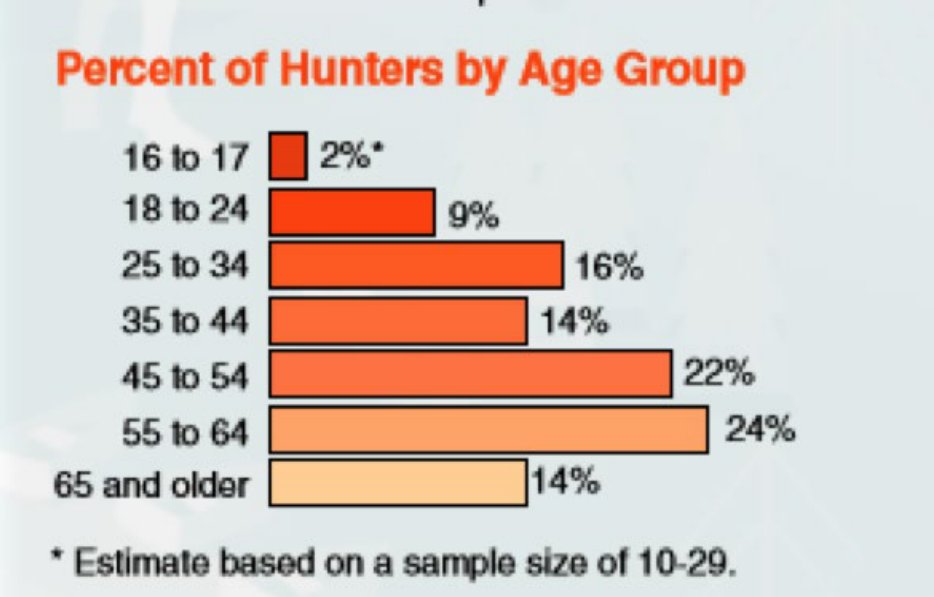
There has been a general decline nationally in hunting participation since the 1980’s that was further documented recently with the US Fish and Wildlife Service’s 2016 National Survey of Fishing, Hunting, and Wildlife-Associated Recreation report. Hunter numbers have declined by 16% in five short years from 2011 to 2016, falling from 13.7 million to 11.5 million. Hunters are being quickly outpaced by the general population and we now only represent 5% of the U.S. population. This trend is only going to get worse as 60% of current hunters are 45 years old or older. We simply aren’t filling our ranks at the rate we’re dropping off.
Why is this important? Two reasons….well… really just one if you boil it down as a state agency or a private landowner – MONEY. Hunter numbers are directly tied to funding for most public land and wildlife management activities in the U.S. The Pittman-Robertson Act of 1937 levees a tax on sporting equipment and ammunition. Those funds are redistributed to the states based on a formula that in part depends on the number of hunting licenses sold in each state. Without hunters buying licenses and sporting equipment our existing model of funding for wildlife management on public lands is under considerable threat.
Leaders within the conservation community recognized the gravity of the situation many years ago and have been working hard to reverse this trend. Unfortunately, we’ve discovered current efforts aren’t bolstering hunter numbers at the rate we need, if at all. Previously, tremendous focus has been on youth, but most don’t ever become license and equipment buying hunters. Not that engaging youth and their parents isn’t a worthwhile endeavor it just isn’t the way to stop the trend. Youth tend to shift to athletics or other activities or their parents, for whom they rely on for money, permission and transportation, don’t really support the venture. That was and still is a hard pill to swallow.
So recently there has been a serious paradigm shift in how we address hunter declines. It’s called R3. Hunter Recruitment, Retention and Reactivation. The R3 movement has gained momentum in the past three years both within state and federal agencies, industry and non-governmental organizations with the hiring of R3 coordinators dedicated to saving hunting. I’ve lost count but over 20 R3 coordinators who are supported by multiple partners, like the National Wild Turkey Federation, Quality Deer Management Association and others, are now in place around the country with many more in development.
Efforts to Reverse the Trend – Too Little, Too Late?
R3 efforts are now shifting focus on engaging not only youth, but “non-traditional”, adult hunters. Adults, particularly college-aged, are where it’s at. Unlike children, they have decision making authority, transportation, discretionary funding, the open-minded desire to learn, and the time to devote to a new endeavor. They just need to know how.
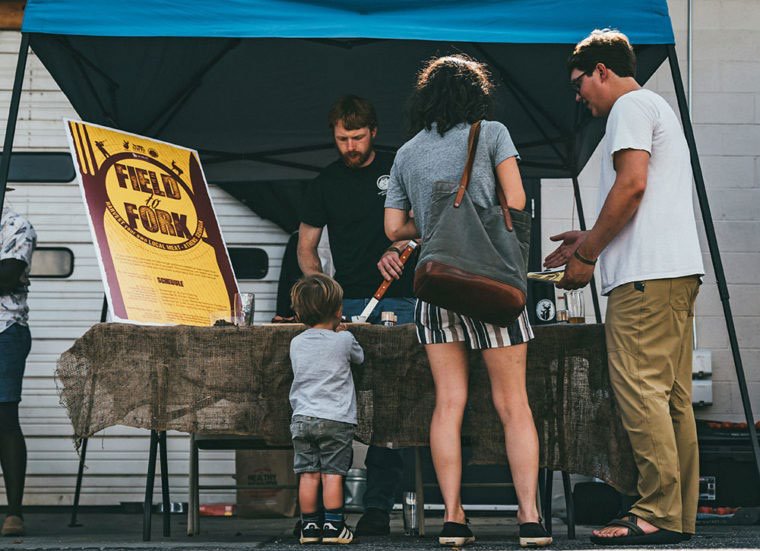
The type of programming has also changed significantly. We’ve moved away from the one-and-done, introductory events and instead have short, social events over a longer duration while simultaneously pairing a newbie with a carefully selected mentor who stays for a longer-term. One-day, one-evening, and weekend events over several weeks that focus on education, safety, weapon familiarity, range-time, wildlife biology, and wild-game culinary socials all culminate in a mentored hunt. Frequently these hunts are hosted on private lands at no cost. But that’s not the end. Post-hunt socials where newbies talk about their experiences as they enjoy the game they harvested is the highlight. Raw emotional stories of how their first hunting experience has fundamentally changed their lives is shared with the group. All of this so far has yielded tremendous early successes. Some recent numbers are now showing that 80% of Field to Fork program participants are still hunting one-year after going through programming. Other states like Wisconsin are seeing 40% returns beyond one year. We’ve never seen that type of return for youth events. There are also many anecdotal instances of new hunters mentoring their friends and families.

Enter Women and Millennials – The New Faces of Hunting
The face of the traditional hunter is changing. They’re college students, they come from cities, they want to learn something new, are single mothers that want to teach their kids to hunt, they value belonging to a tribe, they’re vegetarians, they want to know where their meat comes from (aka “locavores”), they want to be self-reliant, they’re organic farmers, they’re engineers, they’re gourmet chefs and hipsters. There’s even Barefoot Dan, who insisted on hunting barefoot.
These are actual participants, some of whom I’ve mentored, that come through these new types of programming. The change in the type of events and added support from a stable mentor is resulting in participants that stay engaged, start hunting on their own and adopt the culture as their own.
Like Becky my millennial coworker. I introduced her to a Field to Fork program in Georgia in September and now within seven months she has hunted four species with three different weapons, bought her first shotgun and a deer stand and we’re making plans to get her a turkey. Granted this isn’t always the case, but we’re seeing more and more cases like this which is very encouraging.
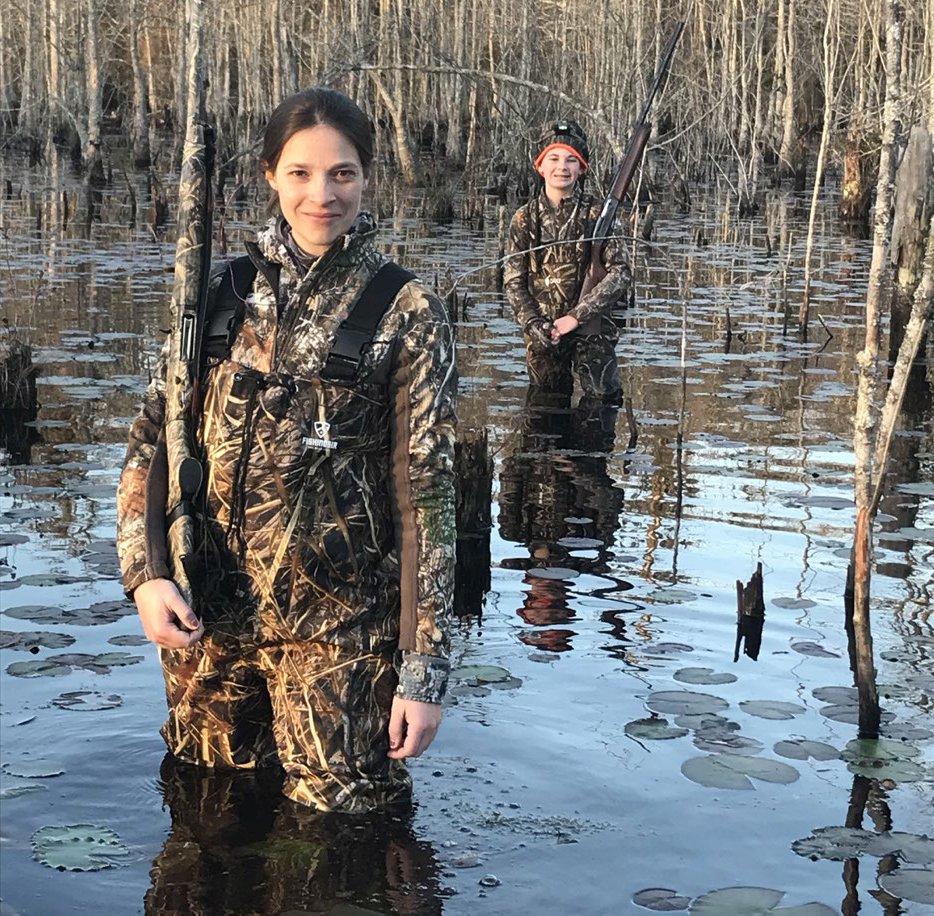
Even though these newbies are embracing their new found hobby with vigor, they still aren’t completely comfortable hunting public lands with every Tom, Dick and Harry who can sometimes get very territorial about their favorite hunting spot. New hunters don’t yet have the network of hunting buddies that have the private land hunting opportunities. This can be especially daunting for new women hunters like Becky, who is currently looking, with not much luck, for a good lease.
Women by the way are a demographic that are on the verge of becoming a wave of new hunters. According to a report by the National Association of Shooting Sports, women hunters increased by 85% from 2001 to 2013. In that same report, women that target shoot increased 60%. Many of these target shooters are looking for the next firearms challenge. The Hunt. Same can be said for Millennials. Love them or revile them. They are the generation that will be the game changer. There are now more Millennials than Boomers and we must engage them to slow the decline in hunter numbers. Enter your hunting lease.
What Does All This Mean To You?
Doe this really matter to a landowner that leases for hunting? Maybe it does, maybe it doesn’t. Maybe not now, maybe not ever. But as private landowners, industrial or non-industrial, continue to struggle to make the finances work for their land, hunting leases can play a big part. Historically the percentage of non-industrial private landowners that allowed fee access was small, less than 3% nationally, and less than 8% in the South, where the practice is most prevalent. More recent research suggests that the percentage of non-industrial private landowners providing hunting access for a fee is increasing. Lease prices range widely anywhere from super cheap ($3/acre) to crazy expensive ($30/acre), of course depending on location, quality of habitat, game species opportunities, amenities like power and water, size of the tract, number of hunters, etc.
According to the 2016 USFWS survey mentioned earlier, “other” hunting expenses that included leasing dropped by 52% from 2011 to 2016, the single biggest drop in all expenditures. That may be because of hunter numbers dropping, but it could also be that the hunters that are left are simply shifting what they spend their money on or a combination of both.
Another more indirect factor for landowner consideration…state wildlife agencies with less money to manage wildlife on public lands can carry some potential impacts for private lands, particularly when it comes to high-priority wildlife species, like gopher tortoises for example. Wildlife know no boundaries. Private landowners, especially in the East, have always been responsible for providing a litany of services like clean air, water and wildlife for the public good. Anywhere from 80-90% of land in Southern states is privately held. So, if wildlife agencies continue to struggle managing public lands, private land ownership will inadvertently pick up the slack. Fortunately, there are also a plethora of state and federal incentive programs to help. But any additional assistance private landowners can give in bolstering hunter numbers, which in turn provide funding, will increase state wildlife agencies’ ability to manage state lands and will help us all in the long run.
Lastly, state wildlife agencies and their landowner-oriented partners are shifting focus and resources towards increasing hunting access on public AND private lands.
- Land is purchased fee simple and then included in the public land system (aka Wildlife Management Areas in many states) that are open to hunting.
- Many states are now shifting funding towards leasing private lands to provide public access to certain types of hunting, fishing or wildlife viewing. Some funding comes from the Natural Resources Conservation Service and is referred to as Voluntary Public Access (VPA). States that have this type of program all call them something different. Georgia Department of Natural Resources calls theirs VPA. Kansas has a long-running program called the Walk-In-Hunting program. Other states also have versions. This VPA model hasn’t been widely adopted in the South, but it does present another opportunity for landowners to garner income and free wildlife/forestry technical advice.
Purchasing land and incentivizing public use of private lands are both efforts to provide quality hunting opportunities for the new hunters that are coming on board and lessen concerns of veteran hunters that they’ll have fewer hunting opportunities.
All of this together is cause for consideration. Will these factors impact private lands leasing? Hard to say, but for now veteran and newbie hunters alike, even if in smaller numbers than ever before, are still looking for hunting opportunities that a lease can provide. Especially the newbies.
How to Capture a New Market
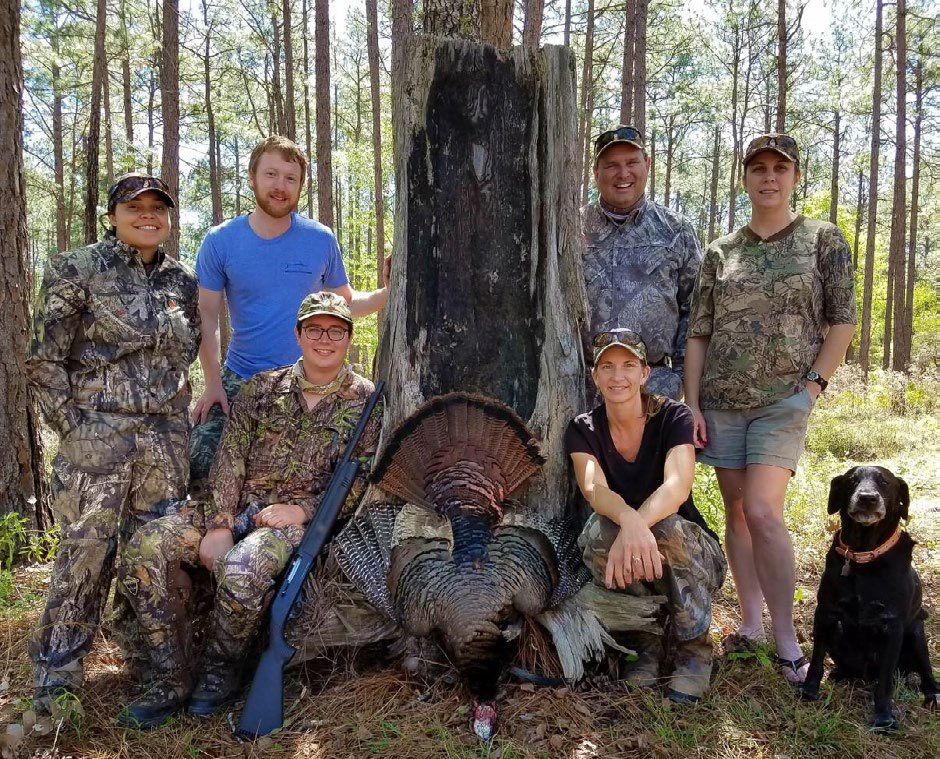
I mentor anywhere from 2-5 new hunters a year. All have been women. For the ones I’ve kept up with about 90% of them go on to become full-fledged, self-identifying hunters that hunt on their own. YAY!…..BUT…. Some are fine with hunting public lands or have a friend who lets them hunt on private land. But as I discovered, it’s really hard to find a good lease that is close to home, offers good hunting opportunities, has quality people associated with it and is affordable. After a quick Google search, I realize that finding a hunting lease is a daunting aspect. For newbies, especially women (where very few hunting leases have or take women members), this can be the one obstacle that threatens their continuing to hunt. For landowners that are interested in expanding the pool of potential lease members or maybe even catering to a specific type, this could easily be a win-win for both.
Some of the outcomes of analyzing traditional R3 programs has also revealed that many agencies and organizations developed programs not based on the market audience. They designed the programs first and then tried to market to a general audience which in today’s world isn’t effective. You must identify your market first and then engage them in ways that interest them and in which they can connect. Whenever possible, this marketing is also better received when coming from those that share similar traits and perspective. Research has shown that no matter the activity, people are most comfortable learning from and emulating the actions of those they consider to be like themselves.
These marketing strategies can also be applied to hunting leases. Consideration should be given in catering to these nontraditional hunters that are joining the ranks. Their motivations are very different than our traditional hunters. Hosting R3 events, advertising using R3 program outlets and engaging with R3 social media groups can help connect with a new customer base.
If every current hunter mentored a new hunter every year, we could stop hunter declines and ensure that landowners have a stable market to satisfy their leasing needs. Even though you may not be having any issues filling vacant spots or garnering above average lease prices now, the shift in hunter numbers and types is something that you need to be aware.