
How many times per day does the average land manager think about fungus? Most of us are not professional mycologists (scientists who study fungi), but having a basic understanding of this group of organisms can be useful to managers of forest ecosystems. Although they are often inconspicuous and sometimes even invisible to the naked eye, fungi are extremely abundant and important, as they are found in every ecosystem and environment on the planet. From deep-sea sediments to salt-lake deserts, some species of fungi can tolerate exceedingly harsh conditions.
Most fungi are terrestrial species, but there are also some aquatic species, such as the Batrachochytrium fungi that causes chytridiomycosis in amphibians. This aggressive disease, like so many others today, has become a threat since it was relocated to new parts of the world, outside its natural range. The chytrid fungi burrow under the skin of frogs and the disease has caused severe declines and even extinction in many frog species around the world in the past few decades, especially in South and Central America. Thankfully this disease has not been a problem in the Unites States to date. The chytrids, (Phylum Chytridiomycota) which are typically aquatic, microscopic, and have spores with flagella, make up just one of five phyla in the Kingdom Fungi. Each group has its own unique characteristics. The phylum Zygomycota includes mainly terrestrial fungi that “feed” off of dead and decaying plant and animal matter.
All fungi are heterotrophs, which means, like us they cannot make their own food. Zygomycetes reproduce asexually through spores, and one example is Rhizopus, the mold that commonly grows on bread.
Phylum Glomeromycota are generally soil fungi and members of this group often form mycorrhizae with plants. These mycorrhizal structures establish a mutually beneficial relationship (symbiosis) for both the fungus and the plant. The fungi borrow sugars from the plant cells while they return the favor by dissolving minerals in the soil so that they are readily available to the plants. So, when we plant certain wildlife food plot crops (especially legumes) and we see that they require an inoculant, that additive is basically just the spores of mycorrhizal fungi (glomeromycetes) that will grow and develop along with your crop.
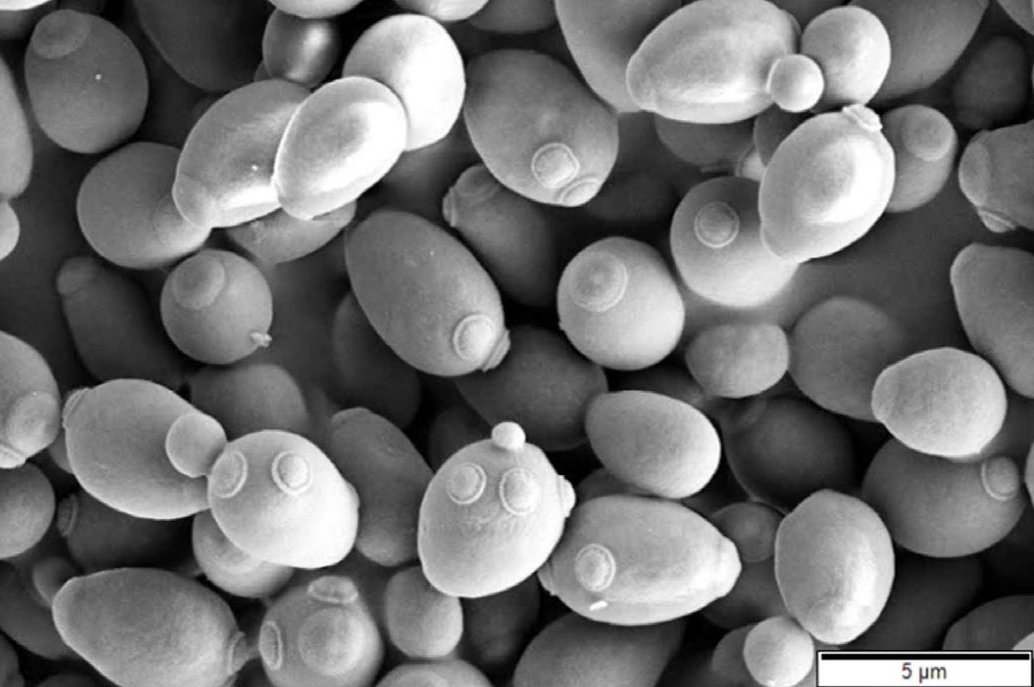
Another type, the ascomycetes (Phylum Ascomycota), are yeasts and sac fungi. One yeast, Saccharomyces cerevisiae, is one of the most studied fungi in the world. It is the yeast that has been used in brewing beer, baking bread, and winemaking since olden times. This species, which quickly reproduces by budding, is believed to have been originally cultured from the waxy cuticle of grapes and other fruits, and its Latin name means “beer sugar fungus”. So we can already see that some fungi are very important! This Ascomycota group however is also responsible for many types of diseases in plants and animals. In humans these fungi can cause infections like ringworm and athlete’s foot.
A more serious example of a human ascomycete disease is ergotism (also known as St. Anthony’s fire), and it is caused by the fungus Claviceps purpurea which is typically associated with rye grain. This disease, which can cause convulsive seizures, itching, gangrene, and psychosis, was once prevalent in Europe during the Middle Ages, especially in areas of high rye-bread production and consumption. The club fungi (Phylum Basidiomycota) produce sexual spores in specialized, club-shaped, cells called basidia. This is one of the most recognized groups since mushrooms are an example of basidiomycetes. Mushrooms are the fleshy fruiting body of the actual fungus itself (somewhat analogous to a flower on a plant), and serve to produce spores. There are about 10,000 known species of mushroom-forming fungi. The non-reproductive tissues of basidiomycetes (called hyphae) are very different from those that form the mushroom. The hyphae are typically tiny (often microscopic) filamentous or threadlike tissues that occur in the soil, litter, wood, or other organic material. As you can see there is quite an array of diversity in this kingdom. However, all fungi are similar in some ways.
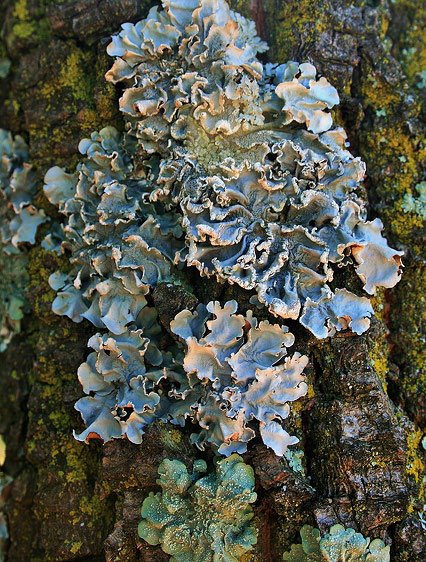
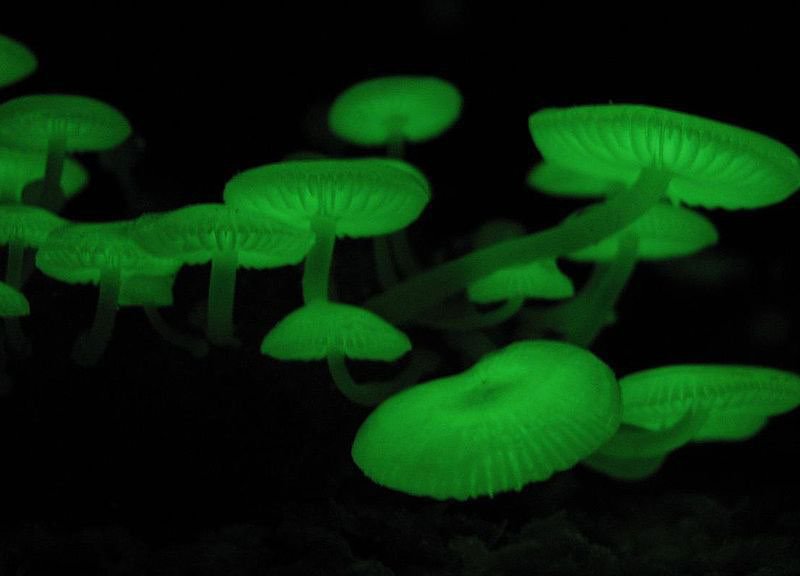
All fungi are eukaryotes. That is they have cells that encompass a nucleus, a membrane-bound structure that contains DNA, just like we do. But that’s just about all they have in common with animals. Fungi have a cell wall like plants but it contains chitin, instead of cellulose (which is found in the cell walls of plants). Chitin is interestingly the same structural polymer that makes up the exoskeleton of insects. They also lack chlorophyll and so do not have the ability to photosynthesize. Some are unicellular (such as yeasts) and some are made up of multicellular tubular hyphae. The majority of fungi are cryptic and they are largely still a mystery to science. Some seem like something out of a science fiction movie. Over 70 fungal species are known to display bioluminescence which means they produce light through bio-chemical processes (just like a lightning bug). There are an estimated 1 to 1.5 million species of fungi around the world, but only a tiny fraction of these are currently named or known. Therefore, many of their roles and ecological functions are also unknown. We do know, however, that fungi serve as vital parts of natural ecosystems. As decomposers, fungi are critical for nutrient recycling and they significantly contribute to the fertility of local soils. Each year millions upon millions of tons of wood and forest litter are broken down on the forest floor by many different kinds of fungi. As we mentioned earlier, many fungi have symbiotic relationships with plants and trees, and even algae and bacteria. Lichens are one example. We’ve all seen lichens growing on rocks or trees in a wide variety of forms and colors, but what exactly are they? Some lichens are called mosses but a moss is a plant and lichens are not related to any plant. Lichens are actually composite organisms made up of either algae or cyanobacteria living in association with the filaments of fungi species. They exist by having a mutualistic relationship, each benefitting from the other. Fungi, whether they are interacting with algae, bacteria, plants (in the form of mycorrhizae), or animals, are a big part of the ecological processes that we try to understand as scientists and habitat managers.

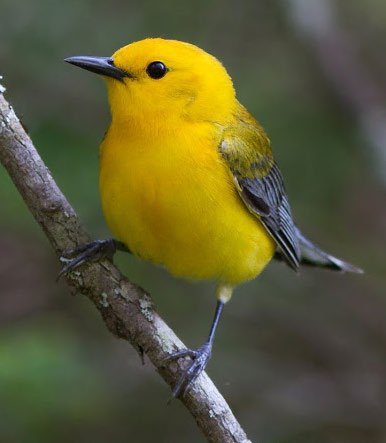
Fungi are also important with regards to creating and maintaining appropriate wildlife habitat for the animal species we manage. Mushrooms and other macro-fungi are common food items for many mammals like squirrels and deer. Wood-decaying fungi are extremely important to wild cavity nesting birds. Building a home in a live tree is a lot of work, and besides the Red-cockaded woodpecker (RCW), all North American woodpeckers need dead snags with a certain level of decay to facilitate cavity excavation. There are then many other wildlife species, including flying squirrels, grey squirrels, eastern bluebirds, great-crested flycatchers, prothonotary warblers, and some snakes, that use these cavity structures after the primary species has created them. Countless small mammals (as well as large ones like black bears) use hollow trees and logs for cover and hibernation. Without fungi these resources would not be as readily available. Even in subterranean systems, decomposing fungi create voids and spaces in stumps and roots that are used by amphibians, snakes, lizards, small mammals, insects, and other invertebrates. A vast array of invertebrates (such as termites) also feed on the partly decomposed tissues of plants and trees. These invertebrates in turn serve as food for larger organisms, and so on. Without fungi the basic food webs in most of today’s natural systems would fall.
As land managers we often want to be able to identify the common species of plants and animals on the properties we manage. Fungus identification can also be an enjoyable hobby, but it can be useful in catching potential threats to our habitats, timber resources, and wildlife as well. Besides the frog chytrid disease we discussed earlier, there are a variety of other fungal diseases that can directly affect wildlife. Pseudogymnoascus destructans (also called Pd), the fungus that is responsible for White-Nosed Syndrome in cave-hibernating bats, has changed the entire bat community of the eastern United States in the past thirteen years. This cold-loving fungus, which often causes a white fuzzy appearance on the muzzles of infected individuals, is native to Eurasia where it is not believed to be a serious problem for the native bat populations there. However, in North America it has already decimated populations of certain cave-welling species like the Indiana bat and tri-colored bat by disrupting their energy preservation behaviors during hibernation.
Regarding tree fungal pathogens, there are many. Some (especially those that are not native to North America) have had devastating widespread impacts. As we have discussed in previous Wildlife Trends articles, Chinese chestnut blight and Dutch elm disease are probably the most notable in our nation’s history, as they resulted in the decimation of two of our most common and iconic tree species, the American chestnut and the American elm. These trees were extremely abundant at the turn of the century and now they are ecologically extinct in most regions. There’s not much one can do about exotic fungal threats, but native fungal diseases can sometimes be mitigated. Heterobasidion annosum, for example, is one of the most economically important diseases in US forests. This fungus, which causes annosus root rot in conifers, is responsible for the loss of $1 billion in the United States each year in the timber industry. The fruiting bodies of this species are typically dark brown brackets with white margins. These bracket mushrooms produce spores which are released in the summer and can travel long distances carried by the wind. When the spores reach a damaged tree or stump, they infect the root system, and as the fungus grows it eventually travels through the stand via underground root grafts. Annosus will eventually kill the trees that it infects. After a stand is infected, saving the existing trees in the infected zone is not usually feasible. Therefore, the most common methods for dealing with annosus root rot involve establishing a new stand, planting nursery seedlings that have been pretreated for resistance, or using borax which is sprinkled over the cut stumps. Biological control is sometimes used as an alternative. Several other fungal species have been tested as a control agent but currently only one, Phlebiopsis gigantea, has shown positive results for combatting annosus root rot. This benign fungus outcompetes and helps displace the H. annosum before it can take hold. It is applied to the top of cut stumps just like the borax treatment. Besides this disease, rusts and needle cast fungi are other common fungal infections associated with pine timber stands.
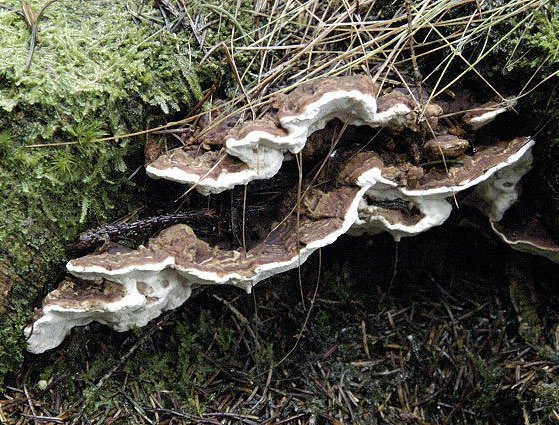
Many of the macro-fungi a land manager will encounter in the woods are not serious threats to timber stands or forest systems. Many simply fill a niche and occur as saprophytes (living on dead or decaying matter), parasites, or symbionts of plants and trees. Many are host-specific and typically only live on certain families, genera, or species of trees. Others are generalists and opportunistic. One of the easiest types of mushroom to identify are puffballs (in the genera Calvatia, Calbovista and Lycoperdon). Puffballs, which are essentially mushrooms without stems or caps that open, are usually white or light brown. When mature they produce copious clouds of brown dust-like spores if disturbed or as they rupture.
Puffballs are sometimes mycorrhizal and they can be found in a variety of forest types and even in turf, meadows, and yards. A species of mushroom that is often associated with and seen growing on red oaks is the annual shelf fungus (Phellinus gilvus). This drab looking specimen is leathery in appearance and is usually yellowish brown. Being a shelf mushroom, it looks as if it has been “stuck” to the side of the oak trunk. This shelf usually forms in the summer or early fall and is commonly associated with sapwood decay. Other similar looking fungi include the conk-forming species. Artist’s conk (Ganoderma applanatum) is one of the most famous conk-forming species. This large and interesting fungus is so named because the white porous underside of the cap immediately stains darker when scratched or drawn upon. After drying, the artwork on the mushroom canvas can be preserved for years. Red heart fungus (Phellinus pini) also produces dark hoof-shaped conks. This species is found in mature and over-mature pine trees such as longleaf, loblolly, and slash. Red heart is associated with the decay of the pine tree’s heartwood and it can therefore affect wood value, although it facilitates excavation of cavities in the live infected trees by the RCW. Because pines are so common in North America, it stands to reason that there are numerous mushroom-producing species which are associated with this group. The king bolete (Boletus edulis) is another example. King boletes produce robust, copper-colored mushrooms and they are found in pine and spruce forests all over the world. This species can be very large and produces thick stems that support the cap which is composed of pores (as in all boletes) instead of gills. This species is edible and is often gathered in the United States and Europe.
It goes without saying, you should never consume any mushroom without knowing for sure which species it is. Some edible species closely resemble highly poisonous species. Many (like the destroying angel and the death cap) have earned their dark and sinister reputations honestly from killing the people who consumed them. Even a non-lethal dose can cause permanent liver damage. One rule of thumb that some amateur mushroom hunters use is if it has gills, do not chance it. Gilled varieties are often more difficult to identify, and most poisonous mushrooms fall into this gilled type. Regardless of the type, only eat mushrooms if you are completely certain of their identity and edibility.
Mushroom gathering is actually pretty common throughout the temperate regions of the United States. Edible mushrooms are rich in nutrients including Vitamin D, Vitamin B complexes, Selenium, Copper, and Potassium. Each spring following the rainy season, shroomers keep their eyes to the ground for fungal delicacies like chanterelles and morels.
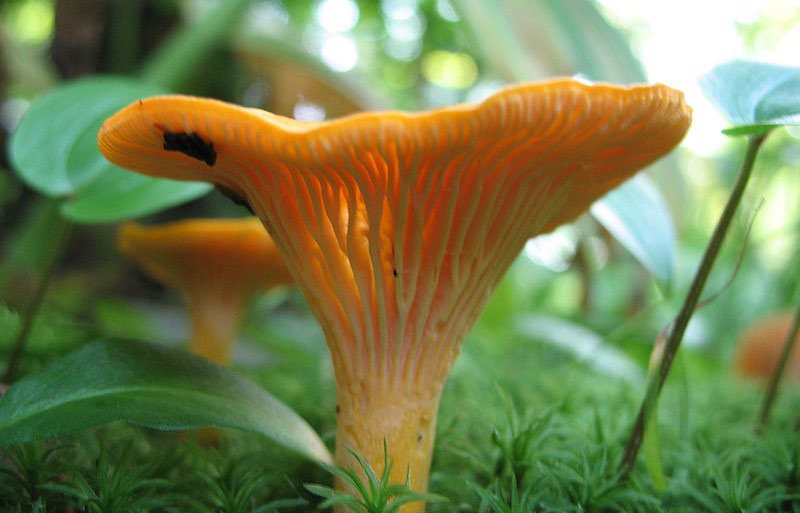
Chanterelles are a loose name for mushrooms in the genus Cantherellus. These are probably the most popular edible macro-fungi in the eastern United States and the most common of all is probably the golden chanterelle (Cantharellus cibarius). These mushrooms, as their name implies, are bright yellow or orange and they have ridged structures underneath, but they are not gilled. The chanterelle is a mild meaty variety that some say has a slightly peppery taste. It is prized by chefs and local gatherers. The two species that are most commonly mistaken for golden chanterelles are the jack-o-lantern (Omphalotus olearius) which is a bioluminescent species, and the false chanterelle (Hygrophoropsis aurantiaca). Both of these imposters are gilled, however, and they typically grow on trees or stumps, and not out of the ground like the true chanterelle. The lion’s mane mushroom (Hericium erinaceus) typically grows on hardwood trees, especially the American beech, in the late growing season. It looks very different from the classic mushroom. The lion’s mane resembles a pompom and it can be found growing as high as 30 to 40 feet into the tree. The taste has been reported to be similar to certain kinds of seafood. Morels (Morchella spp.) are another edible variety that are widely sought after for their high food quality. There are several morel species and they can be associated with multiple tree species like declining black cherry, elm and apple, and they are also commonly searched for under old living tulip poplars. Morels are fairly easy to identify (they have hollow stems and a distinctive “webbed ridge” pattern on the outside of the cap) and they are truly delicious when pan fried or sautéed in butter. Never eat morels raw.
Armillaria mellea is a parasitic species known as the honey mushroom (due to its golden honey color). It grows mainly on hardwoods in the eastern half of the United States where it causes a white pulpy decay in the wood. These organisms can live to be very old and grow to be very large, with most of the live tissues hiding out of sight inside the host tree and underground. This species is edible but it is also gilled, which poses identification challenges, and therefore some risk. The shaggy mane (Coprinus comatus) is another edible, but it is also a gilled variety. I have seen and collected this species more commonly in the West than in the Southeast. This mushroom’s gills turn from white to a black inky slime as they mature, and so are best when they harvested young. They must be eaten almost immediately since the mushroom will turn black and dissolve itself within a few hours of being harvested. This species is of choice quality for collectors but interestingly it cannot be consumed with alcohol. Shaggy manes are often mistaken for the green-spored parasol (Chlorophyllum molybdites) which is one of North America’s most commonly consumed poisonous species. This species also has gills so I will repeat, stay away from gilled varieties unless you are an expert at identification. That doesn’t mean that all non-gilled varieties are safe either. Some boletes and others are very poisonous too. There’s an old adage that states “There are old mushroom hunters and there are bold mushroom hunters. But there are no old, bold mushroom hunters!”
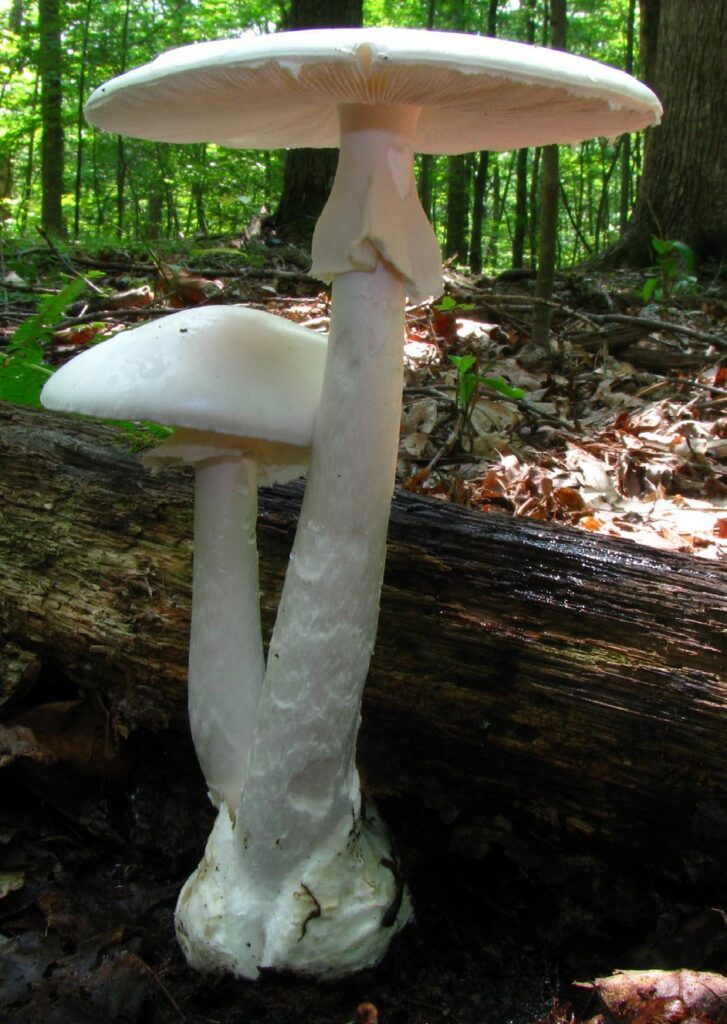
Regarding poisonous mushrooms, one of the most common species we see here in the eastern United States is the fly agaric (Amanita muscaria). It is easily recognized by its clean white stem and a red or yellow cap topped with rough white warts. When eaten by humans, this gilled mushroom affects the central nervous system and can cause hallucinations, mania, deliria, and the person to see small objects as very large. However, it is not as deadly as some others. The elegant, white, and seemingly innocent Amanita bisporigera is more serious. This species is called the destroying angel and it is generally fatal if consumed, shutting down the liver. It is found in eastern pine and oak woodlands and should be avoided. Yet another Amanita species, the death cap (A. phalloides), kills on average one to three people each year in the States, and is responsible for over 90% of mushroom fatalities worldwide. It was once more widespread in Europe but now it is locally common in much of North America. This species has a greenish gray (sometimes greenish brown) cap and a white stem. Gills are also white. They resemble some edible varieties (including the paddy straw mushroom) but like the destroying angel they contain strong toxins that begin to cause severe liver damage within a couple days, and unfortunately a painful and agonizing death in about a week. Sometimes liver transplants are used to save the victim’s life. Just half of one cap will kill a healthy adult and the toxicity is not affected by applying heat (cooking). There is no antidote for Amanita poisoning so I try not to touch any that are identified as an Amanita. Other less toxic (but still potentially dangerous) species include the scaly-vase gomphus (Gomphus floccopus), the blue staining oak boletes (Boletus spp.), and the delicate-looking lilac bonnet (Mycena pura) which bio-accumulates boron from the soil. These species will not typically kill you but they are toxic to most people.

In summary, fungi are a diverse and important kingdom. They are more related to animals than plants. Fungi serve as important symbionts for countless species of plants, shrubs, and trees. They are also crucial for nutrient recycling, soil building, and creating and maintaining wildlife habitat. They form key foundational components of the food web in all temperate and tropical terrestrial ecosystems. Many are responsible for diseases in our native trees and wildlife, and some species produce fruiting bodies that are consumed by wildlife and humans. However, a diet that contains wild mushrooms sometimes comes with risk.