
It’s that time of year… hunting season is winding down (except for you cold-loving waterfowl hunters) and land managers across the Southeast are taking advantage of the “off season” to get trees in the ground, post boundaries, clear roads and all those other things that are just better when it’s cool and bug/snake free. But most managers this time of year are thinking about one thing in particular, setting the woods on fire! The Southeast is a “hot spot” for using controlled burning, also called prescribed burning or prescribed fire, for forestry and wildlife benefits that no other area in the U.S. can claim (2012 National Prescribed Fire Use Survey Report). That sounds awfully scary to the lay person, but for fire-lighters in the South it’s a tradition that has been practiced for generations and is perfectly acceptable and certainly not controversial. Or is it?
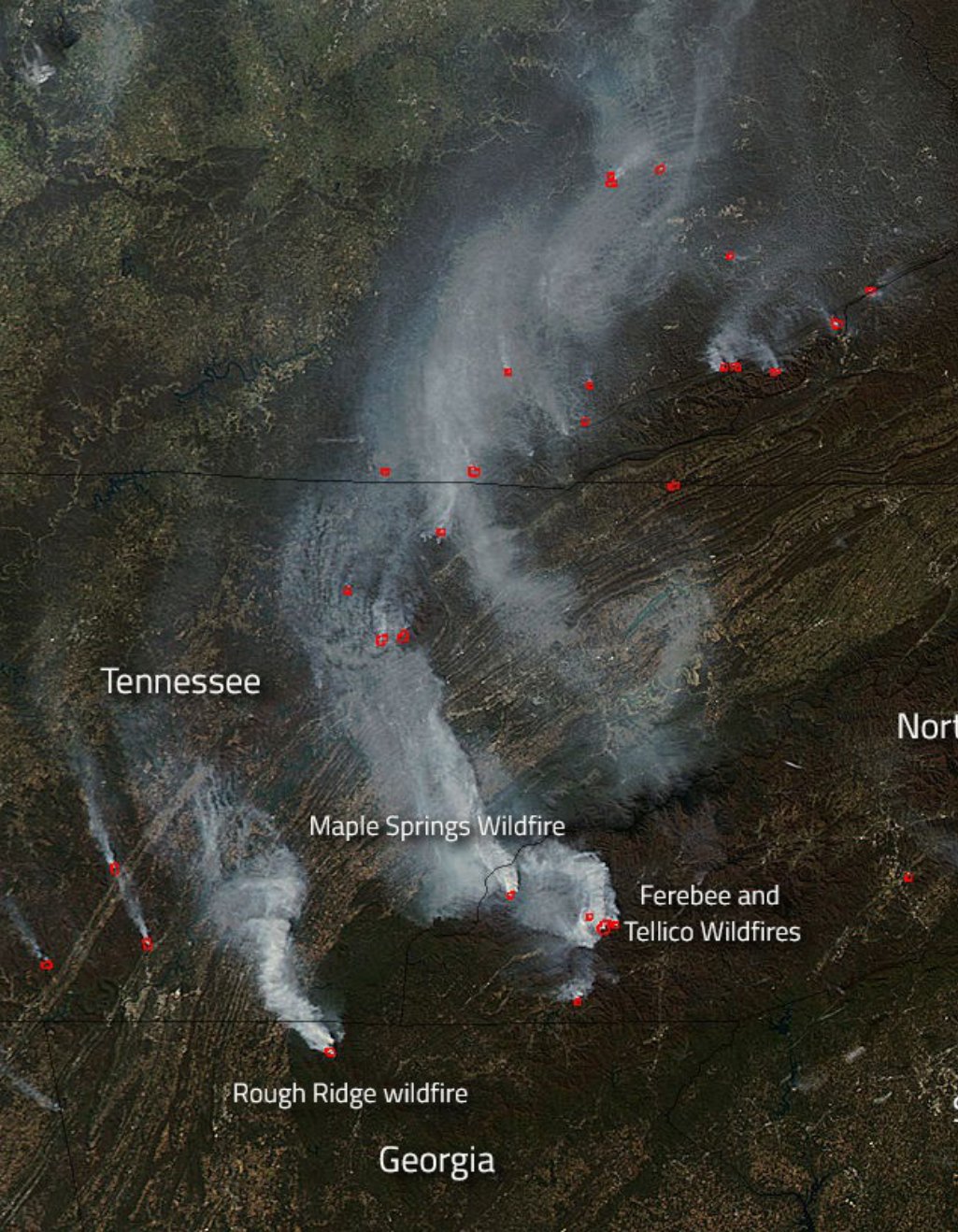
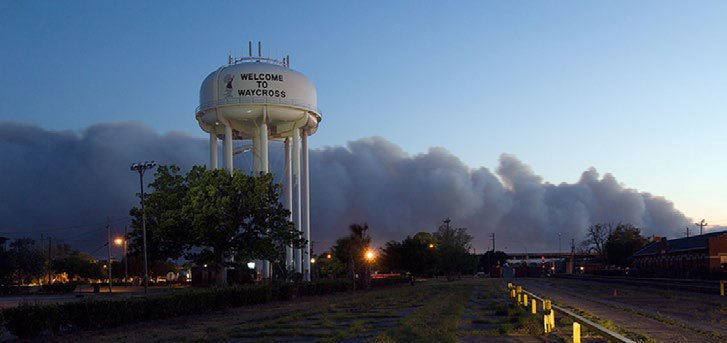
Truth be told, the way we burn in the South is changing drastically as we try to manage more holistically and in-line with naturally occurring systems in an increasingly fragmented landscape with significant human implications. The public is certainly at full attention with the recent uptick in catastrophic wildfires that seem to be occurring more frequently in our part of the world. Unfortunately, the public just sees red/orange flames and doesn’t discern the difference between a purposefully set controlled fire and an out-of-control wildfire. From a forest agency standpoint fighting these wildfires, east and west, are decimating much needed basic operating funds, a term referred to as “fire borrowing”. For the Southeast it seems like it started back in 2007, when over 560,000 acres were scorched in and around the Okefenokee Swamp that almost burned up my hometown of Waycross, Georgia. More recently, the high profile fires in north Georgia, North Carolina, and Tennessee that resulted in major economic losses and, more importantly, devastated families who lost loved ones. Part of the reason these wildfires become so devastating is because even in the fire-loving South, controlled burning is still not used enough.
We can debate the nuances of whether or not controlled burning in the spring is better than in the winter or if an aerial ignition of over 1,000 acres is appropriate. That mainly depends on the management objectives and what resources you have to work with. But to be honest, it’s gotten to the point that we need to promote controlled burning and other forms of active forest management even if it’s not the perfect application. Otherwise we’ll be very limited in making any inroads improving wildlife habitat and forest health and minimizing negative impacts of catastrophic wildfires on our communities. Recently, the lack of active forest management, including the use of controlled burning and its negative outcomes, is now in the national spotlight. Thanks to the leadership of the US Department of the Interior Secretary Ryan Zinke, US Department of Agriculture Secretary Sonny Perdue and US Representative Bruce Westerman of Arkansas who introduced the Resilient Federal Forests Act last summer, we’re hopefully going to see some major changes in how we use and deal with fire.
But let’s back track a little and lay some ground work for those not as familiar with the history of fire, its uses and the issues surrounding it.
History of Fire in the Southeast
Fire vs. No-Fire
The Southeast was once a fire-dominated system with the uplands made up primarily of mature stands of longleaf pine in the coastal plain or in the mountains and piedmont shortleaf pine with fire-tolerant hardwoods mixed in. Fire created a ground-level understory made up of small shrubs, bunch grasses and “weedy” plants that provided plenty of food and cover for wildlife and naturally burned every 2-5 years at a relatively low intensity. The animals and plants associated with this ecosystem adapted through eons of evolution and developed ways to cope with the fires. Many of the wildlife and plant species now in the most peril are the ones that depend on this type of habitat – Georgia aster, Bachman’s sparrow, Northern bobwhite quail, gopher tortoise, and red-cockaded woodpecker amongst many others.
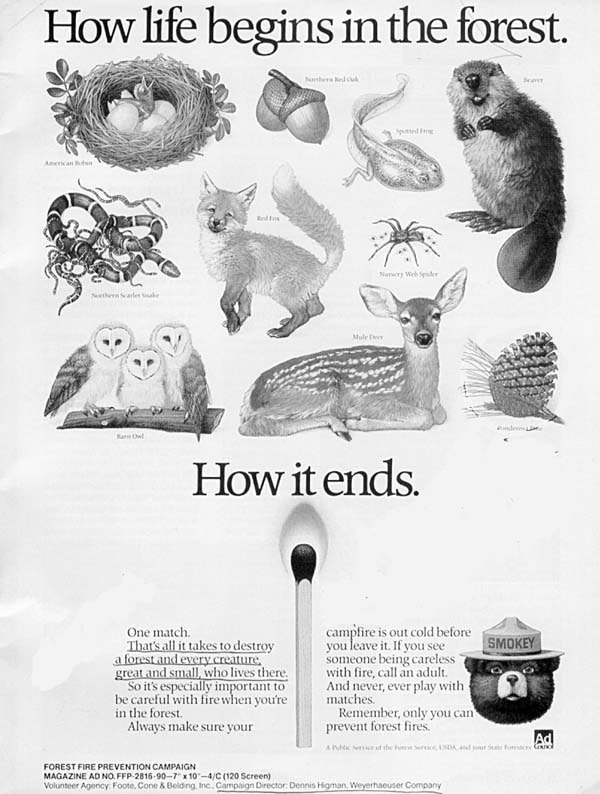
Historically, fire in the Southeast was caused by lightning strikes in the summer, but later on the Native Americans and early Europeans also influenced the fire regime as they burned to clear land for hunting, pest-control, agriculture and living space. But with the introduction of Smokey the Bear, the Dixie Crusaders and other anti-fire messaging in the early 1900’s, the use of controlled fire on the landscape dropped dramatically and generations were taught that fire of any kind was bad. More recently concerns regarding liability, lack of training, public perception, air pollution, etc. have limited controlled burning. As a result, the woods have gotten thick and woolly, leaving fewer good places to live and reproduce for those species adapted to the historical fire-dependent system. Thick and woolly also means lots of fuel for a fire whether it starts from a cigarette butt, careless campers or a lightning strike. Ironically, this state of affairs has now set the stage for devastating wildfires like we’ve seen of late that are causing major economic issues, loss of human life and habitat destruction.
Public and private land managers now use controlled fire to mimic the natural fire regime. Benefits associated with its use include: releasing nutrients making them available for plants, stimulating seed germination and succulent new plant growth, increasing plant diversity, reducing wildfire risk by reducing fuel, controlling undesirable plants, producing high-quality habitat for wildlife and improving forest health. Fortunately, focus on the benefits of controlled burning is on the upswing as more groups recognize that fire in the Southeast is like water to the rainforest, and without fire our precious flora and fauna are lost and along with them our communities will suffer.
The formation of state, regional and national pro-fire groups like prescribed fire councils that are made up of a wide-range of natural resource professionals and their organizations, as well as privately run prescribed burn associations that focus on private lands are a testament to the importance of keeping fire on the landscape. But we still have some challenges when it comes to educating and informing the media and general public about controlled burning and why it’s better to have it than not. A recent article out of South Carolina is a great example of messaging that at a minimum causes confusion about wildfires vs controlled fires, paints a negative picture of controlled burning in general and has an underlying message that may inadvertently incite public fears of controlled burning (https://www.postandcourier.com/news/in-age-of-wildfires-some-south-carolina-forest-managers-seeking/article_033ed8fa-e67f-11e7-970d-bb5c57368d29.html).
The Controversy of Controlled Fire: Seasonality, Ignition Type and Size Does Matter
Most land managers would probably agree that when used wisely controlled fire has multiple benefits, but even amongst those in the controlled fire community there is a lot of debate that causes some divisiveness. When you use fire and how you use it does make a difference. Seasonality, intensity, ignition type, frequency, and size of burns are frequently and sometimes hotly debated. The bottom-line, all of these parameters really depend on the specific property, what the management objectives are and what resources you have to work with (funding, expertise and man-power). Are you managing for bobwhite quail? Are you restoring longleaf pine or an oak savannah? Are you simply trying to keep fuel loads low to minimize wildfire risk? Are you mandated to manage for an endangered species or to provide open training areas for our military? Do you have multiple objectives and stakeholders that are all a high priority and require a balanced approach? Often the public doesn’t realize the complexity and finesse that land managers in both the public and private sectors have to consider when it comes to controlled fire. Not to mention the weather conditions that are needed to achieve the type of burn you’re looking for. Relative humidity, fuel type, ground wind speed and direction, mixing height, air temperature, etc. that can change drastically during a single burn. Even hunters who for the most part are very knowledgeable about wildlife and habitat management really struggle with using controlled fire in the spring or summer when they think it could negatively impact turkey nesting and/or poults and deer fawning.
The most controversial topics surrounding controlled burning that I hear most frequently nowadays is seasonality (time of year), ignition source/type and size of burn. So let’s dive into those a little more.
Seasonality: Dormant Season (winter) Burns vs. Growing Season (spring/summer/fall) Burns
Dormant season (winter) burns are the most common type of prescribed fire and usually takes place from November-March before plants start to green-up. The weather patterns at this time of year are pretty predictable, cooler temperatures make burning more enjoyable, and risk of timber mortality is reduced because fire intensity is usually lower. Dormant season burns are also great for beginning burners that need to practice the craft and are especially useful to reduce fuel loads. There is almost zero chance of impacting any ground nesting birds like turkeys or quail. But when only winter burns are conducted, we see less plant diversity (sometimes even a negative shift towards a monoculture of non-desirable plants like bracken fern) and hardwoods (maples, yellow poplar, and sweetgums) are not adequately controlled and can shade out or compete with more beneficial trees, shrubs, grasses and “weeds”. This is the time to consider using some growing season fire.
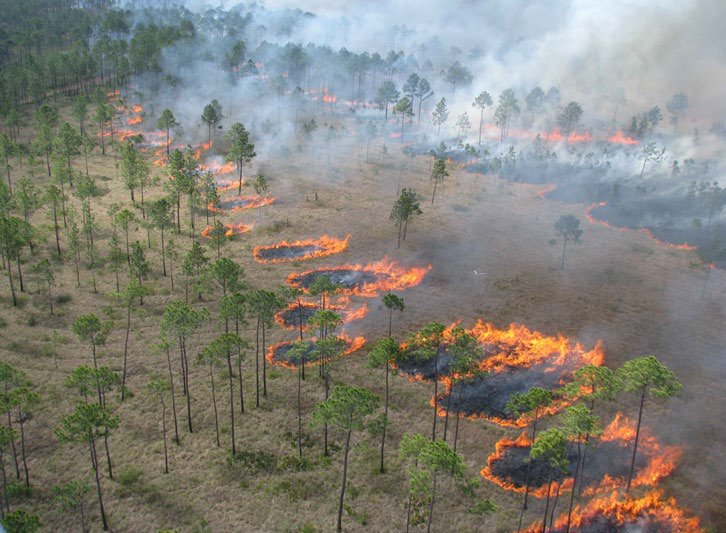
Growing season (spring/summer/fall) burns aren’t used as often although that is changing. These burns are usually done March-May, maybe into June and July and recently more practitioners are experimenting with burns in September and early October before first frost. The idea is to burn while plants are actively growing so that you get more hardwood control and more closely mimic the fires of old that were ignited by lightning. Naturally fire-tolerant hardwoods like blackjack oak, bluejack oak, sand post oak, runner oak, etc. are still perfectly fine and provide acorns in the uplands while the less fire-tolerant trees like water oak, maples, sweetgum, etc. are kept down in the bottoms where they actually are supposed to be.
Restoration of the longleaf-wiregrass ecosystem is also an objective in which growing season fires are paramount. Wiregrass must have summer burns to produce viable seed. Growing season burns can be an excellent tool when trying to control many of our nasty exotic, invasive plant species. By adding the late spring, summer and fall fire season, you greatly expand the number of available burn days when weather conditions are good to burn. This is a major limiting factor for many fire-lighters that have a lot of acres to get burned within a very small winter time window. Expanding the available burn days also provides the opportunity to reduce the size of burn blocks or units because you have more time to burn them. But like everything there’s a flip side. Growing season burns can be intense because of higher temps and unpredictable weather patterns which increases the risk of losing timber or smoke/air quality issues can be problematic. Growing season burns don’t need to be conducted by the novice. There is a higher risk of impacting ground-nesting birds. However, many studies have shown that turkey nests lost during spring growing season burns are minimal, if there are any at all, and improved habitat that is a result provides more benefit to turkeys than no fire.
I always tell folks who want more wildlife, no matter what it is, the key is habitat diversity. You have to provide everything an animal needs (food, nesting habitat, escape cover, brood rearing habitat, etc.) all year-round, not just when you want to hunt them. A part of that model is using all the tools in the tool box. Prescribed fire during both dormant and growing seasons is a must when managing lands in the Southeast.
Ignition Source
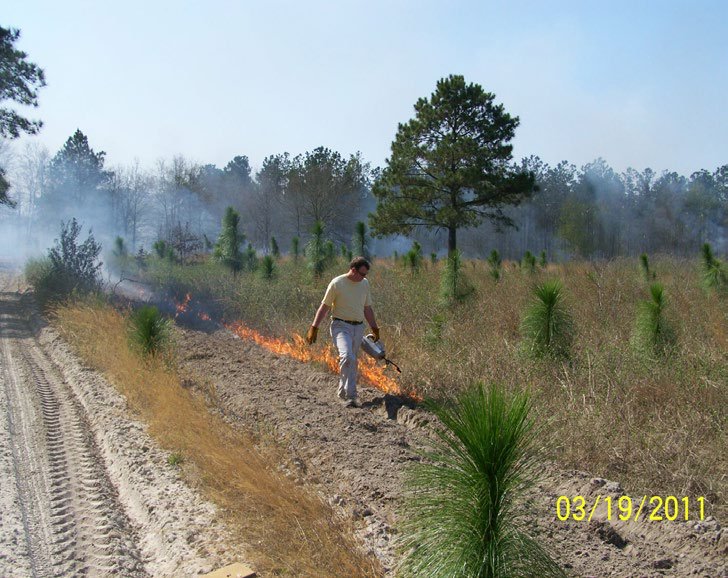
How do you light a controlled fire? This isn’t something that traditionally gets a lot of attention. I’m sure the public hasn’t even thought about it. There are many ways to ignite a controlled fire, from stringing fire walking with a drip torch to flame throwers from an ATV to aerial ignition from a helicopter using ping pong balls. Drones are even entering the picture as a new way of firing it up. Each technique is used in different scenarios again based on your circumstances, objectives and resources.
The debate focuses on wildlife primarily and whether or not the ignition sources lead to a fast-moving or slow-moving fire. Does wildlife have time to react and avoid direct impacts? A natural lightning ignited fire will start at one or several localized points and then move outward maybe slowly or quickly depending on prevailing weather and habitat conditions at the time. Does it rain immediately after and put the fire out? Was it late in the afternoon during an upcoming thunderstorm and the fire burned during the high humidity of the night? Or was it in front of strong winds that pushed the fire fast and furious? Then think of the fire lighted via hand-strung or slow moving vehicle drip torch. Even a head fire (fire set with the wind pushing it quickly forward) set this way can move very fast. What about aerial ignition? Usually set in a grid where many small fires converge together relatively quickly. Until more research is done regarding impacts of ignition sources practitioners need to use what’s available to help them most efficiently get their burns done.
Size of Burn
Yes it does matter. If you’re managing for bobwhite quail, which is very dependent on early successional habitat throughout the year, then you want to burn on a small scale. Burn blocks of 250 acres or less, even down to 25 or 30 acres, creates more “edge” and different stages of weedy plants and bunch grasses. And if you can set up a checkerboard burn rotation where you have a mosaic of small burn blocks with habitat that is only one or two years removed from seeing a fire, all the better. But that takes a tremendous amount of time, effort and money that most land managers/owners, whether public or private, do not have. On the other end of the spectrum is our Federal agencies that have to manage and burn in a given year thousands and thousands of acres. They’re looking at trying to burn at a scale of 1,000 acres per burn block. And that’s often all they can handle given the man-power and burn days they have to work with. Small burn blocks are just not feasible in that particular instance. Is this the best case scenario? Maybe not, but the fact they’re still burning deserves a kudos and we as a fire community can assist when possible to create a better burn regime.
Whether you’re talking about seasonality (time of year), ignition source/type or size of burn, one big take home point is this, when you burn, no matter the time of year how big or how it’s lit, you will have areas that will burn really well and some not burn at all. This is not the case with wildfires that burn with wicked speed and high intensity leaving nothing but scorched earth in their path. Those that burn know this from on-the-ground experience, but most don’t think about it. If you’re burning in a monoculture pine stand you may see a uniform burn across the stand, but typically you have micro-habitats within the stand that burn differently. Maybe a small wet spot or an intermittent stream that stops the fire cold. Maybe a small group of live oaks or other hardwoods that aren’t conducive to a fire. Maybe a north facing slope where things aren’t as dry. Maybe the wind died down and a small back-fire burned out. This leads to an unintentional, but wildlife friendly mosaic of burned and unburned areas. This is where many wildlife that are more mobile can seek refuge. Others that are not so mobile, like salamanders and snakes, do have some tricks up their sleeve. Seeking shelter underground is a great disappearing act. Gopher tortoises in the sandy soils of Alabama, Florida, Georgia, Louisiana and Mississippi build impressive fire-escape bunkers that many species use to avoid fires, even bobwhite quail. This is just one of the adaptations that many species living in a fire-dependent ecosystem have developed. Until we see some more research surrounding size of burns and ignition sources I’m not sure we can really come to a conclusion on which one is better than the other. We also need to remember; wildlife and forest management is about the population as a whole and not individuals. If we lose a few turkey nests during a spring burn, but the broods that did hatch have a better chance of making it to adulthood, I’d say that’s a good trade off. Same as good for small or small groups of tree mortality caused by controlled burning. The good outweighs the bad.
The Coup de Grâce – Thin AND Burn
Thin AND Burn should be every land manager’s mantra if you’re interested in boosting wildlife numbers and improving forest health. The true key in today’s world of forest and wildlife management is the word “ACTIVE”. We can’t leave it to Mother Nature anymore because the natural system has been disrupted and doesn’t function as it has historically, not to mention we have to meet the needs of a growing human population, maintain private landowner rights, and still protect and conserve our natural resources. To accomplish this, we must actively manage our forest lands to maintain healthy, productive forests, plentiful, diverse wildlife populations and maintain the safety of our communities. So what exactly does that action look like?
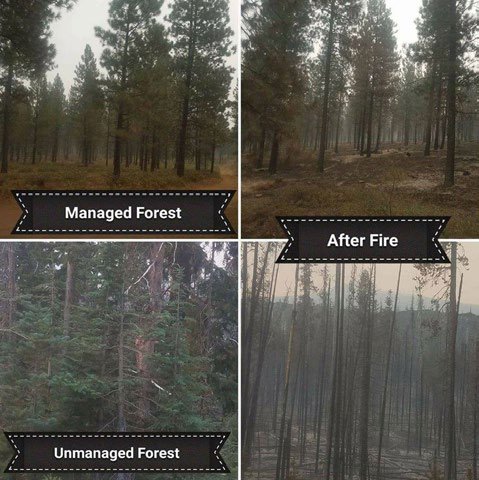
If you want wildlife, whether it’s deer, turkeys, songbirds and/or gopher tortoises, you need to provide for them year-round. Just like us, wildlife need the basics: food, shelter and water. For a majority of wildlife in the Southeast, the limiting factor is early successional habitat. Places that to us look, as my Moma likes to say, “snaky” or “full of weeds” (think the opposite of a golf course) are actually beneficial habitat. To a white-tailed deer doe, it’s the perfect place to hide her fawn when it’s most vulnerable. To a turkey poult it’s a smorgasbord of protein-rich insects that will help grow flight feathers so he can fly into the safety of the trees. To a bobwhite hen it’s the thick bunch grasses where she can create a small cave-of-a-nest, and where succulent, easily-digestible “greens” are followed up by large, heavy seeds that are available as food way into the winter for a variety of wildlife.
Bottom-line, the easiest way to get that much needed early successional habitat for wildlife and improve the health of your pine stands is to Thin AND Burn. I still get calls from amazed landowners after they implement my recommendations to thin and burn their upland pines. Within a year, usually a matter of months, they not only see and harvest more game species, like turkeys, but also see a noticeable increase in other wildlife species, especially songbirds. Not to mention the aesthetic benefits of the practice that creates a park-like pine savannah with showy, native wildflowers in full bloom. Then there’s the benefits of forest health. Trees that have been thinned and burned are not as stressed and the risk of insects and disease is less. So is the risk of wildfires since prescribed burning keeps the fuel loads low.
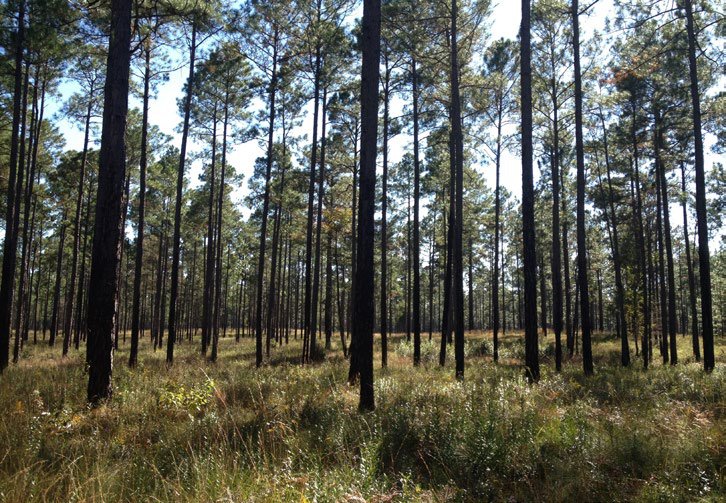
But you must do these two things together. One without the other is like peas without carrots and you will not see the full-benefits or you may not see any noticeable improvements at all. The thin, which needs to be <70ft² basal area or at least 50% of the ground in full sunlight at mid-day, allows sunlight to hit the forest floor for understory plants to grow. The controlled burn, which needs to be every 2-3 years starting off with dormant season burns and culminating with a mix of dormant and growing season burns. Follow up with another thin every 5-7 years, or when the tops of the trees start to grow together, to keep the early successional habitat in good shape and provide a steady economic return on your trees.
A Paradigm Shift: Proactive Instead of Reactive
Another thing to consider when it comes to fire is the recent movement by federal, state, non-profit conservation organizations and private landowners to proactively manage for high priority ecosystems and the species that use them in an attempt to keep them from being listed as Federally threatened or endangered. Instead of waiting for a species to be listed and have potential regulatory issues impact how we manage our properties, the forestry and wildlife communities are trying to be proactive by improving habitat on a landscape scale BEFORE government regulations must be put into place. And of course Thinning AND Burning on lands is a no brainer for improving habitat and hopefully preventing a species listing. It’s also a good idea to be proactive when managing your forests. Trying to deal with a beetle outbreak or catastrophic wildfire after the fact is much more costly and troublesome than some preventative measures on the front-end. This proactive habitat movement is not just talk. There’s significant funding for work on both public and private lands that landowners can tap into. Not to mention the recent national discussions surrounding the Resilient Federal Forests Act that I mentioned earlier.
Long story, short, we as land managers, conservation professionals and armchair biologists need to stop bickering about the nuances of controlled burning and do all we can to make sure fire stays in our management tool box. Without it we are certainly making things harder and more expensive than they have to be. If you can still conduct a safe burn, then do it when you can. If you have the latitude and luxury to burn in 50-acre blocks, then by all means do so. But if you have to burn 1,000 acres at a time with a helicopter you still get a blue ribbon in my book. Might not be ideal, but a damn sight better than letting it lay another year until conditions are perfect or waiting until you can create smaller burn blocks. Next thing you know it’s been 10 years and you’ve got a much more difficult situation to deal with and heaven help if somebody flicks out their cigarette into the tinderbox that has been created.
On the bright side there are a lot options to promote controlled burning and for our fire-lighters in the Southeast a world of possibilities. Just please keep burning and as my friend and fellow fire-lighter, Johnny Stowe, likes to say “Share the Flame”.
So what can you do?
- Learn more about fire, if you don’t know. State wildlife/forestry agencies and conservation groups conduct prescribed fire trainings periodically across the Southeast.
- Don’t be so quick to criticize our fellow fire-lighters. Find out what their bottleneck is and help them overcome it.
- Support your state/federal agencies as they try to conduct more burning, even if it’s not how you would do it. Keep in mind they have challenges of their own to work through.
- Support any local prescribed fire associations whether it’s through funding, a place to burn, or just moral support.
- Stay up to date with current research. Only through science based information can we make educated decisions.
- Attend your state’s Prescribed Fire Council meeting. http://www.prescribedfire.net/membership/state-councils.
- Go out with a wildlife/forestry professional that does this every day because it’s their passion (it’s certainly not for the pay). They truly care about what they’re doing and do this for a living, not just as a hobby.
- If you are fire savvy, be an advocate. Mentor someone interested in becoming a certified burner. Influence your legislators. Educate your neighbors and colleagues. Practice the art on your own property.
Some Additional Resources
Cox, J. and B. Widener. 2008. Lightning-Season Burning: Friend or Foe of Breeding Birds? Tall Timbers Research Station and Land Conservancy.
Humphries, Rebecca. It’s Time for Congress’ to Fight Wildfires. The Hill. Contributed piece. Oct 2017. http://thehill.com/opinion/energy-environment/357560-its-congress-turn-to-fight-wildfires
Kilburg, E. L., et al. 2014. Wild Turkey Nest Survival and Nest-Site Selection in the Presence of Growing-Season Prescribed Fire. The Journal of Wildlife Management. 78(6):1033-1039.
Little, A. R., et al. 2014. Eastern Wild Turkey Reproductive Ecology in Frequently-burned Longleaf Pine Savannas. Forest Ecology and Management. 331:180-187.
Martin, J. A.., et al. 2012. Wild Turkey Habitat Use in Frequently Burned Pine Savannah. Forest Ecology and Management. 285:179-186.
Melvin, Mark A. 2012. National Prescribed Fire Use Survey Report. Technical Report 01-12 Coalition of Prescribed Fire Councils, Inc.
Resilient Federal Forests Act 2017. https://naturalresources.house.gov/hr2936/
Stowe, J. 2016. Whither the Fire-Oaks? Longleaf Alliance, Longleaf Leader. Spring 2016:40-42.