
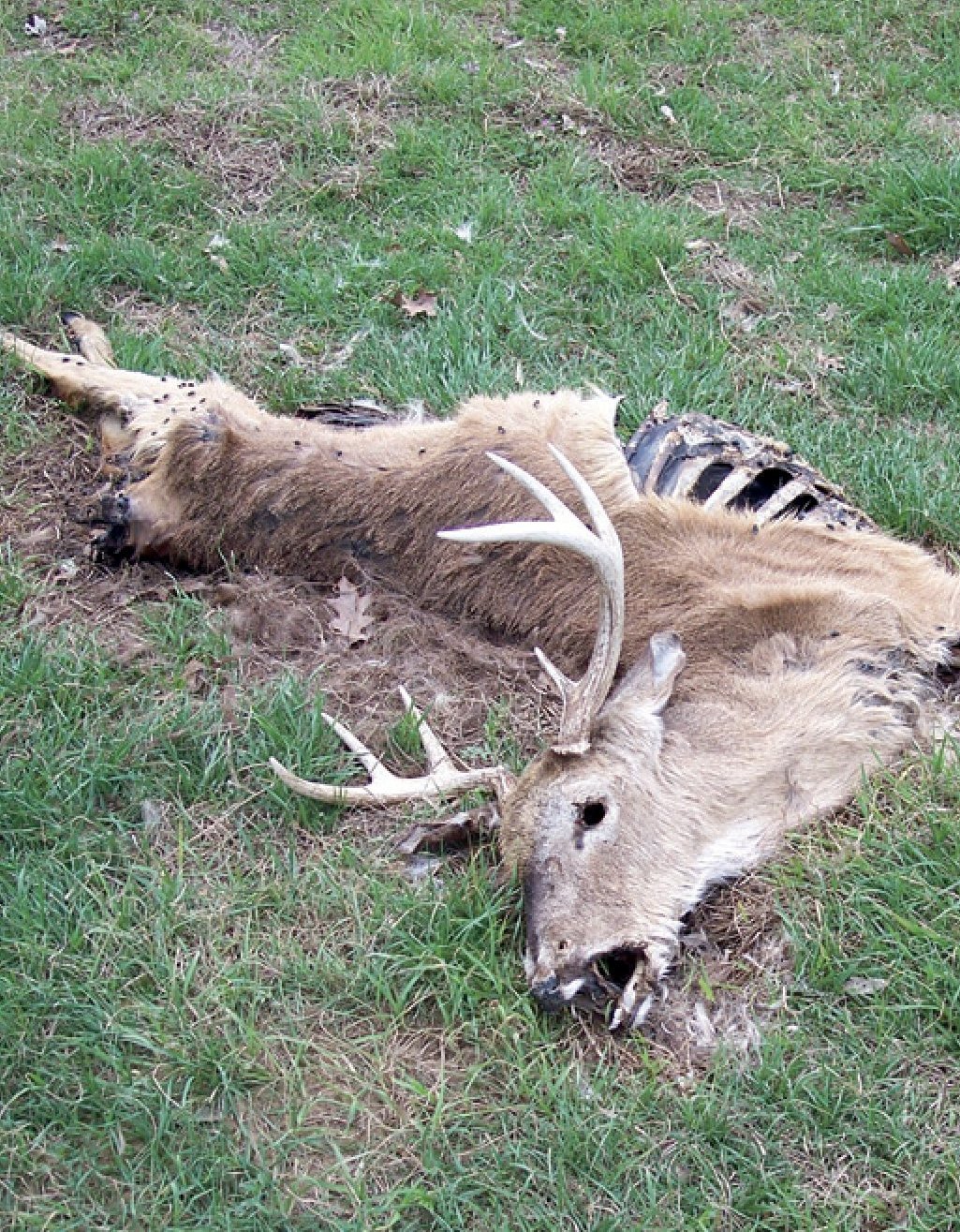
Are you interested in producing mature bucks on your property? What about harvesting mature bucks? Without a doubt, deer management programs promoting an older-buck age structure are becoming increasingly popular throughout the whitetail’s range. Today, more and more hunters are willing to pass opportunities to harvest young bucks to allow them to reach maturity with the expectation of improving antler quality. This deer management strategy not only improves hunter satisfaction levels for most (improved antler quality), but also provides many benefits to the deer herd, such as a balanced adult sex ratio, improved buck age structure, increased reproductive success, and reduced breeding stress.
Although this deer management strategy promotes an overall healthy deer herd, it does not operate without a few strings attached. Often times, after several years of buck protection efforts to achieve the aforementioned population characteristics and improve hunting quality, many landowners and hunting clubs who have applied sound deer management principles (i.e., habitat and population management) on their property find themselves asking, “What’s happening to all the young bucks we’ve been passing up over the years?” Let’s face it – we all conform to the mentality that the only cause of mortality for deer is “lead poisoning” right? We assume that if we (along with neighboring landowners) protect young bucks from harvest, that all of these bucks will survive until the next hunting season and express better antler quality. Although the second part of this assumption is typically true (i.e., increased antler quality with age), using a little “trigger restraint” does not guarantee individual bucks into the next hunting season. The fact is, some bucks just aren’t going to survive from one hunting season to the next…and for many reasons not associated with hunting mortality.
Although protecting young bucks from harvest to improve the adult sex ratio and promote a balanced buck age structure of the deer herd is very important in a sound deer management program, there are a few negative aspects hidden within this approach. Because this strategy promotes older bucks, it is important to manage your expectations on the front end and understand that natural mortality rates of mature bucks are higher, which can primarily be attributed to stresses associated with the breeding season (fighting, fatigue, poor nutrition, etc.). One form of mortality many landowners and deer hunters often fail to recognize as a potential impediment to their deer management program is brain abscess-related mortality.
What are brain abscesses?
Brain abscess-related mortality is a growing concern of deer managers and biologists across the country. Brain abscesses are caused by a variety of bacteria (primarily Arcanobacterium pyogenes) that naturally inhabit the skin of deer, as well as other animals. These bacteria typically enter the brain through lesions and skin abrasions associated with the antler pedicle (where the antler protrudes from the skull) or junctions between cranial bones that are referred to as “sutures”. Mortality generally occurs from fall (following velvet shedding) through spring (shortly after antler casting). Thus, the period when bucks are developing antlers or when antlers have hardened is when they are most susceptible to this disease.
What are the signs and symptoms?
Deer infected with a brain abscess exhibit several behavioral characteristics associated with the neurological system, such as “circling” or loss of coordination. Often times, deer can become emaciated, which is characterized by excessive weight loss or having a “deteriorated” appearance. Bucks also may have a puss-like substance located around the antler pedicle that leaks through openings in the skull. It is not known whether this disease can be transmitted between deer or other animals through direct contact or other sources. Also, it is important to note that deer with brain abscesses are not recommended for consumption.
A disease that discriminates
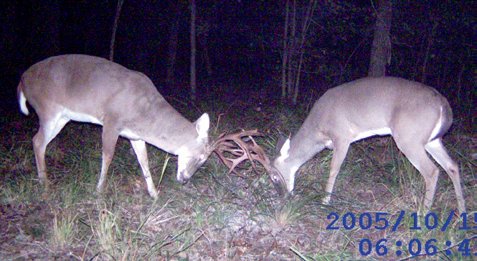
Although brain abscesses can occur in bucks and does, bucks are much more likely to contract brain abscesses than does. This is primarily due to the presence of antlers and the associated cycle of antler development (e.g., velvet shedding, antler casting) and behavioral traits, such as antler rubbing (to strengthen neck muscles to prepare for the rut and/or remove velvet), sparring, and fighting that can cause skin abrasions or lesions that predispose them to this disease.
Significance in deer management programs
Brain abscess-related mortality was once believed to be rare among white-tailed deer. The Southeastern Cooperative Wildlife Disease Study (SCWDS) at The University of Georgia reported that brain abscess-related mortality only accounted for 4% of deer submitted for diagnosis, which, at first glance doesn’t seem too significant. However, when looking at mature bucks, a different picture is painted. Mortality rates increased to 20% among bucks that were 3.5+ years old, which should be considered as a potentially significant source of natural mortality in deer populations characterized by an older buck age structure. Basically, more mature bucks in the population leads to more encounters that result in sparring, fighting, and aggressive rubbing behavior that can potentially damage the antler pedicle or other parts of the skull and allow bacteria to enter the brain.
Another study in Maryland (Karns et al.) reported high buck mortality rates caused by brain abscess. It is important to note that the buck age structure on the Maryland study site is very balanced as the deer herd has long been managed to produce mature bucks for hunting. The authors documented cause-specific mortality of 26 bucks that were fixed with radio-collars for various research purposes on the property. All bucks examined were 2.5 years old or older. Among these bucks, a staggering 35% were diagnosed with brain abscess!!
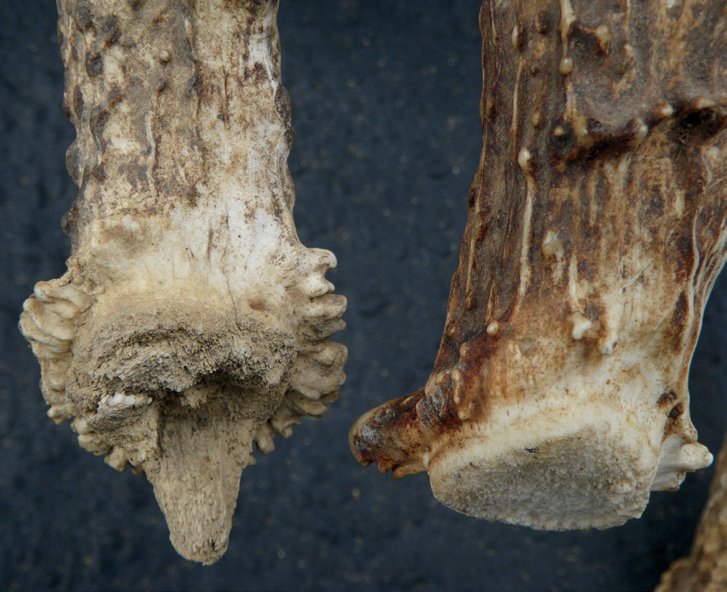
Another potential avenue for bacteria to enter the brain and cause an abscess is when bucks cast their antlers in late winter/early spring. When antlers are shed, parts of the skull plate may be attached and broken off in the process, which creates an access point for bacteria to enter the skull. You may have noticed this if you have ever looked closely at shed antlers. One technique that can be used to identify potential candidates of this disease is to carefully examine shed antlers as you find them on your property. Inspect the bottom of the antler (where it connects to the skull) for a “jagged” or “bony” surface that is rough and uneven in appearance and touch. If this is the case, the likelihood of the buck that shed the antler developing a brain abscess is greater because the “missing pieces” of the pedicle and/or skull plate create a corridor for harmful bacteria to enter the brain. Deer that cast antlers that are “smooth” at the junction where it attaches to the skull are at a much lower risk of developing a brain abscess. Unfortunately there isn’t much that can be done from a management standpoint other than revealing potential sources of mortality in your deer herd.
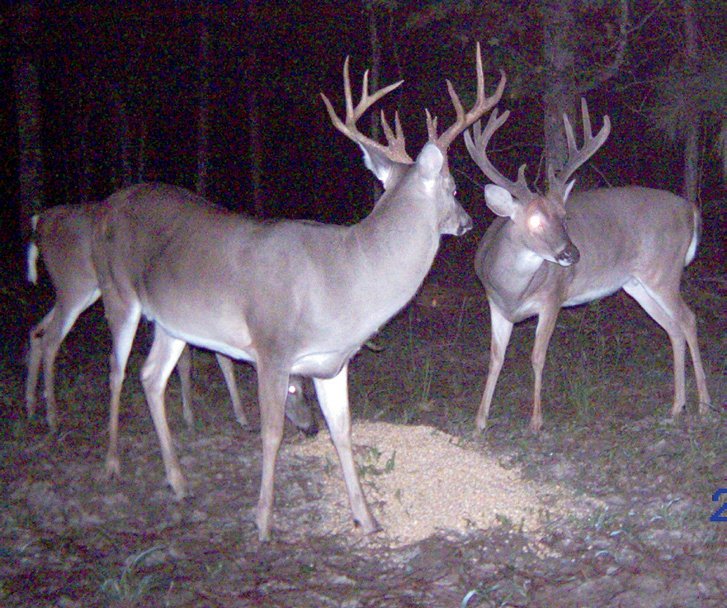
Fortunately, despite the increased risk, not all bucks that shed antlers in this fashion contract brain abscesses. One of the authors from the Maryland study (mentioned above) noted that a buck exhibited signs of this disease for several years before being harvested by a hunter. Dr. Mark Conner, who manages the property, found a shed antler from the buck a couple years before it was harvested and noticed that it had large pieces of the skull plate attached. Upon finding the shed, Dr. Conner felt it was only a matter of time before the buck died from brain abscess. Surprisingly, the same buck kept showing up in trail camera photos for a couple years but for some reason never contracted the disease. When the buck was finally harvested, Dr. Conner noticed the characteristic puss-like substance oozing from the antler pedicle, which indicated that the buck would likely contract a brain abscess and ultimately die had it not been harvested.
More research needed
There remains a lot to be learned about this disease and its significance in deer populations and deer management programs that promote older buck age structures. This is particularly relevant as more and more landowners and hunting clubs are allowing bucks to reach older age classes before harvesting. Furthermore, it is important to consider that much of the data used in the SCWDS study date back to a time when hunters were less selective in their buck harvests, which results in fewer mature bucks within the population. Thus, more young bucks were likely used in their analysis due to the low availability of mature bucks. Considering that mature bucks are more susceptible to brain abscess than young bucks, overall buck mortality rates may be higher than realized under deer management strategies that promote older bucks. This scenario is supported by the Maryland study, where many mature bucks exist in the population and brain-abscess-related mortality was determined to be a significant source of natural mortality.
It is also important to recognize that there appears to be a high level of regional variability associated with this disease. Although it hasn’t been thoroughly documented yet, the prevalence of brain abscess-related mortality seems to be worse in some areas than others, despite strong similarities in deer herd characteristics (i.e., deer density, sex ratio, buck age structure) among the properties. For example, brain abscess is a significant source of mortality for bucks on some properties I manage, whereas on other properties exhibiting the same population structure don’t seem to be affected at all. I’m not sure why this is but a common theme among the properties that seem to be most affected by this disease is soil moisture. It appears that low-lying areas (e.g., near rivers, lakes, or other wetlands) that have relatively moist soils are more likely to have this problem. The most logical reason is that the bacteria causing this disease thrive in moist environments and is likely more abundant under these conditions. In theory, higher bacteria levels would ultimately contribute to more problems with this disease. Discussions with other biologists support this possibility as well. Hopefully, as we learn more about this disease, we will uncover some of the reasons why regional or even property variation might occur.
Other factors to consider
Hopefully the information above will shed light on possible reasons why some of the bucks you’ve protected on your property didn’t show up the next hunting season. However, before you blame brain abscesses or other natural mortality factors as the reason you haven’t been successful observing or harvesting mature bucks on your property, you can’t rule out the impacts of hunting pressure, the effectiveness of your hunting strategies, or your neighbors.
In my experience, the primary reasons many hunters are not successful harvesting mature bucks are too much hunting pressure, excessive property disturbance during hunting season, poor hunting strategies, and neighboring hunters with different buck harvest goals. Mature bucks are more capable of adapting to hunters than hunters are at adapting to them, which typically leads to increased nocturnal behavior and ultimately fewer buck sightings. Thus, although we don’t like to admit it, the lack of mature buck sightings on your property may be more related to hunting strategies and pressure than natural mortality. Furthermore, if neighboring hunters are not disciplined at protecting young bucks, it is unlikely that many will survive to maturity. This is especially true for small properties where neighboring management practices have a strong influence on the success/failure of a deer management program.
A look on the bright side
Before you abandon your deer management efforts of improving the buck age structure on your property, it is important to realize the benefits of managing for a quality deer herd far outweigh the costs, despite natural mortality factors. Like humans, deer succumb to many diseases each year across the country. In most cases, it’s simply Mother Nature’s way of controlling deer populations and very little can be done from a management standpoint to influence deer mortality caused by brain abscesses. In fact, poor management of a deer herd (i.e., undesirable deer density, unbalanced adult sex ratio, unbalanced buck age structure, etc.) is much more detrimental to the success of a deer management program than the impacts of brain abscess-related mortality or other forms of natural mortality.
References:
Conner, Mark. 2009. Chesapeake Farms. Personal communication.
Davidson, W.R., and V.F. Nettles. 1997. Field Manual of Wildlife Diseases in the Southeastern United States. Second Edition.
Karns, G.R., R.A. Lancia, C.S. DePerno, M.C. Conner, and M.S. Stoskopf. 2009. Intracranial abscessation as a natural mortality factor in adult male white-tailed deer. Proceedings of the 32nd Annual Southeast Deer Study Group Meeting.