
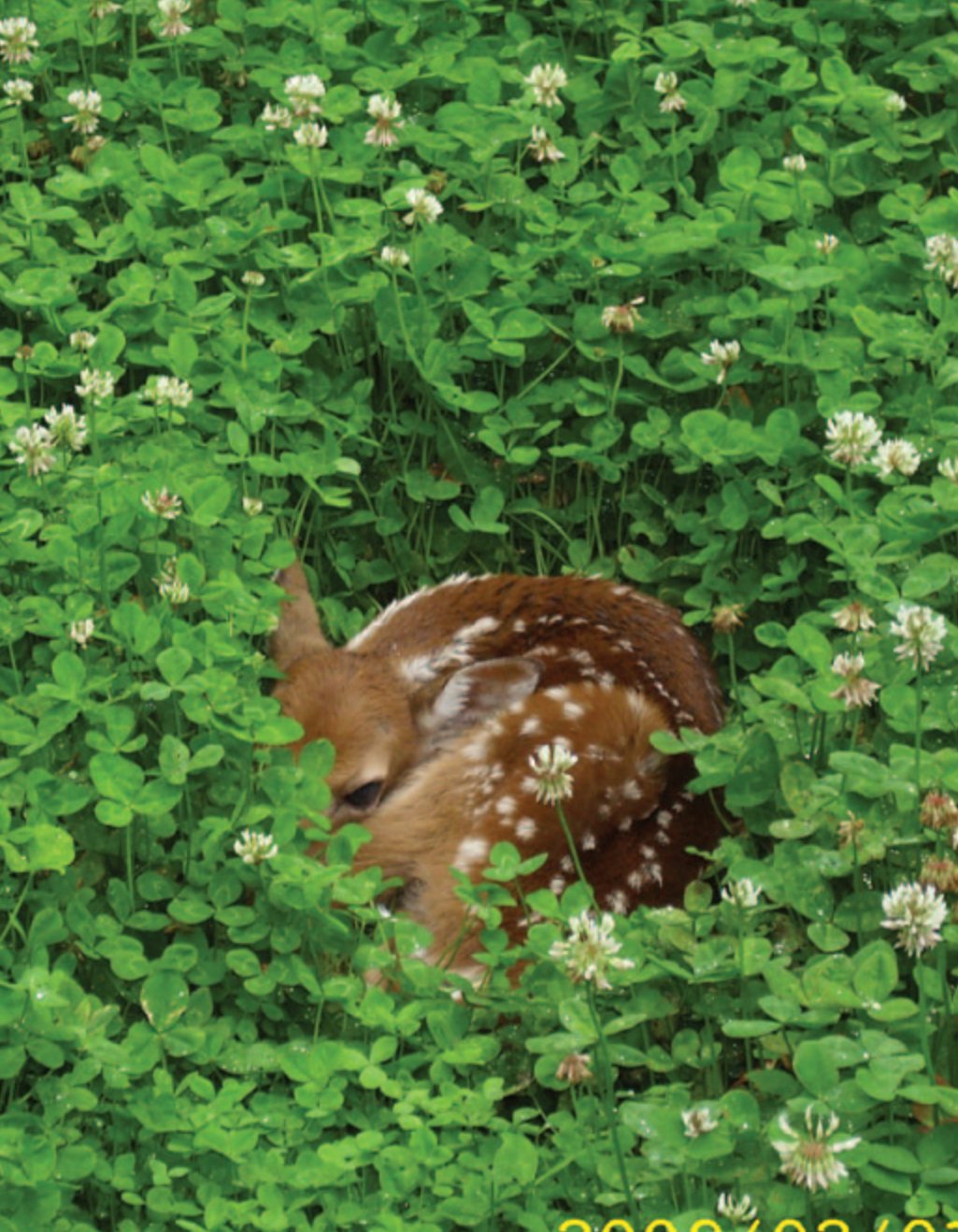
Fall is the time of year most hunters, especially in the South, start planting food plots. You can tell because the roads are full of trucks pulling tractors with disk and spreaders on them to their properties or hunting clubs. But with this recession and the cost of fertilizer, fuel and seed increasing, it has become questionable to many hunters if they can afford to plant. You will find that most hunters and hunting clubs go out and plant the traditional wheat, oats, or whatever the man at the seed store recommended. Once planted, they then will hunt over it and leave it until next season to start the process over again. This is fine if you want to keep wasting your money on fuel and fertilizer over and over again to plant the same plot. I want to show you how you can make what you plant work for you to save time and money simply by putting some thought into what you plant and how you plant it. Not to mention the benefit your deer herd will receive from the added food source.
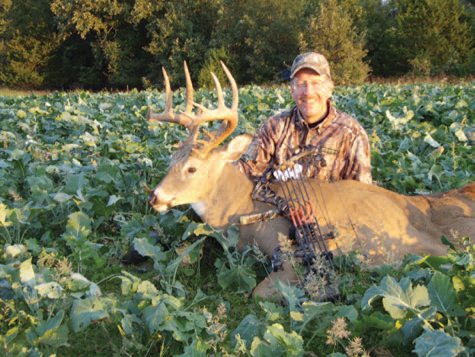
First you have to throw all the old thinking of wheat and oats out the window and start thinking long term by planting perennial clovers in your food plots. From here on out in this article when I mention clover, I mean perennial clovers like Ladino clover. These make great sources of forage for the deer and provide year round food when others are not available. Clovers are very palatable to the deer and highly attractive as well. Another plus to clover is that most white clovers are well over 30% protein, which means they provide more than enough protein to maximize antler growth. The added protein is critical due to the overpopulating deer herds, which have eaten nearly all the native browse down so quickly that it only leaves the existing vegetation at around 8% protein. Now here is the trick; you want to plant half your plots in clover to start and your others in blends of brassicas. Brassicas are your turnips and rapes, which are high in carbohydrates. Deer need carbohydrates in the winter to have the energy to breed and survive the cold. A plot of brassicas can provide tons of forage to help the deer survive the cold and breed. The added carbs will also help bucks come out of the rut with less stress on their bodies and in turn will help him get ready to start growing his next set of antlers. Do not be alarmed when your deer do not flock to or eat your brassicas right away. The plant needs to have a hard frost on it first. What happens is that when a frost hits the plant there is an enzyme in the plant that turns all the starch in the leaves to sugar. That is why a lot of people have experienced deer totally destroying a plot over night. We are going to set up a crop rotation program on a small scale on your hunting property. This has been done for years and years by farmers with cotton, corn and soybeans and it will work for your plantings as well.
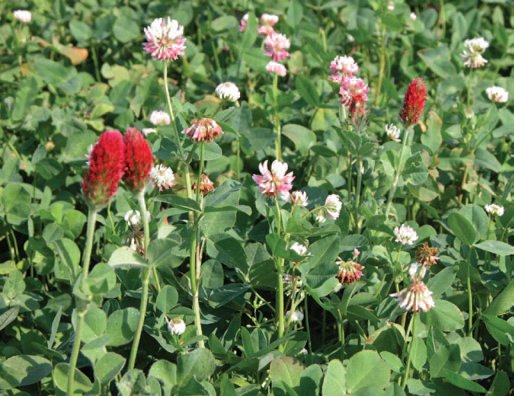
Let’s start with the basics. What is a crop rotation? A crop rotation is a method of planning which crops to plant in certain locations to utilize the benefits the plants provide for future crops. This is accomplished by planting plants called legumes which pull nitrogen from the atmosphere and puts it into the soil through a fixation process. The legumes create small nodes on the roots that contain the fixated nitrogen that can be used by other plants in the future. Nitrogen, which is the first element of a fertilizer formulation (N-P-K) is essential for plant growth and jump-starts germination in non legume plants such as grasses and it is also used in getting brassicas growing strong. Commercial nitrogen fertilizer comes in the form of Urea and Ammonia Nitrate which is expensive and can be corrosive to equipment if prolonged exposure occurs. The benefit of using the rotation system is that you would not have to apply a nitrogen fertilizer every time you plant your food plots because it is put into the soil every growing season by the clover, soybeans, and peas. Clover itself fixates up to 150 pounds of nitrogen annually. When the rotation is used, a cost savings up to 45% can be reached on fertilizer alone. In the summer of 2009, the savings was approximately $41 an acre, not to mention the savings in fuel and time due to less weight in fertilizer to be distributed on the acreage.
A simple example of a crop rotation would have two food plot fields. One would have clover, a perennial legume blend. The second field would have annuals such as soybeans planted in the spring and brassicas planted in the fall. The food plot with the clover can be either frost seeded in February or seeded on a prepared seedbed in March or October depending on your planting zone. This field would remain in clover for three growing seasons, during that time it will accumulate nitrogen which will act as a food source. One of the benefits from having the clover in for the three seasons is that it will provide a year round food source for the deer. This food scource is necessary when other vegetation is not growing in the late winter and early spring months. Another benefit is when the other plot is being planted and bare of plant life, there is still a food source to keep deer on the property. After the three growing seasons the clover will be tilled under to make way for the brassicas.
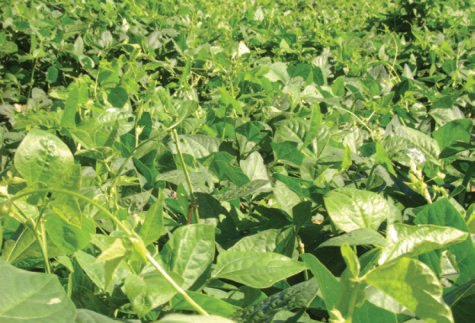
The second field will be planted seasonally with annuals. First in the spring, soybeans or peas should be planted to fixate nitrogen. Plus soybeans provide literally tons of green leafy forage for wildlife needed for the spring and dry summer months. With bucks growing antlers and does gestating fawns or nursing them this added forage will help. Soybeans are around 32% protein which is important because the growing antler is 80% protein and the added protein hopefully will go straight to his head. The soybeans also provide a large amount of cover in the field for turkeys and upland birds. When August comes around, it will be time to till under the beans and plant the brassicas. Brassicas provide an excellent protein source to keep deer going through the tough winter months following the Rut. The following spring the soybeans or peas would be planted again and followed by brassicas for a total of three annual rotations. After the third fall, the brassica mix is planted, the rotation will change and clover will be planted in its place the following spring. The original clover will become brassica the following fall. Once the clover is established in the new location, simply allow the clover to grow for three years and rotate out as done before.

The first year the brassicas are planted, the initial fertilizer application will require a higher amount of nitrogen fertilizer than any other year, but after that application all three blends will use the same low nitrogen blend. For example, the brassicas will take an initial 300 pound per acre mix of 17-17-17, then after that all three blends will use the same fertilizer blend of 0-20-20 at 300 pounds per acre as long as the rotation is in effect. The great thing about this is that there will be no need to switch fertilizers from one plot to the other and there is no need to change settings on the fertilizer spreader being used making it simple and effective in producing a viable food plot.
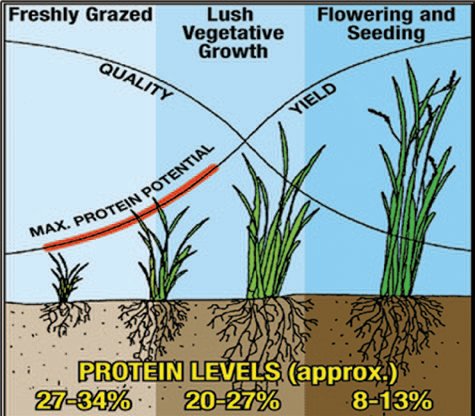
Once the food plots are up and growing, keep an eye on the food plots to look for grass weeds that can hinder the growth of your food plots. A common concern is over which chemical to use. The reason for this is if the wrong type of herbicide chemical is applied to the plot it could either extremely damage the plants or even kill them. The great thing about the rotational system is that all the seed blends are Poast Plus grass herbicide compatible, which reduces the risk of unwanted crop damage and creating a more productive food plot. With these seed blends being grass herbicide tolerant, there is no need to recalibrate the spraying equipment for a different herbicide or drain and mix a different chemical for a separate seed blend making it more time efficient and less expensive to do. As we all know, grass is a huge problem in food plots. Managing them will help your plot get more moisture when it is dry. Grass and weeds are very prolific in dry conditions, God made them that way. You can use 2,4D-B on the broadleaf weeds if they become a problem in your clover, peas or soybeans but DO NOT spray your brassicas with 2,4D-B or they will die. In the clover, you will still need to mow when it gets to 12 to 15 inches tall, mowing it to about 6 to 8 inches. Mowing will also help with weed control along with keeping your clover growing new tender growth that is softer and more palatable to the deer. Cut or browsed plants are higher in protein and are more attractive than old growth that is tough and has converted its energy into flowering and seeding away from forage production. So it is a good idea to keep them mowed.
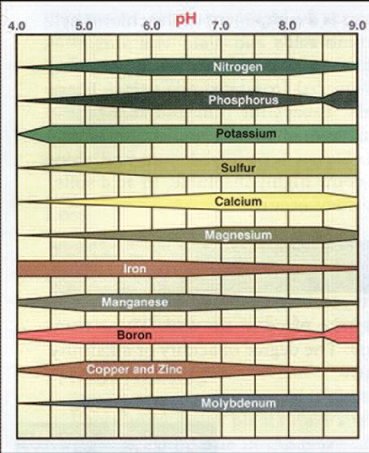
Now just because you are following a crop rotation plan you still need to soil test every two to three years just to keep your pH levels up to 6.5 to 7. The pH level shows how acidic your soil is. This range of 6.5 to 7 is where the most nutrients are available to your plants. Also, when the plants are growing in a soil with the right pH they are also more attractive to the deer. Deer know what is good for them and what is not. Deer will seek out the most nutritious food source and camp out on it. This helps keep deer on your property. Just a reminder! You raise the pH by adding lime. Lime is very cheap and in most cases easy to find someone to spread it for you.
This method of crop rotation is nothing new. Farmers have used it for years and years. By putting this practice in your food plot regime you can help save time and the most important factor you can save is money. Plus, it will hopefully help you attract more deer to your property and help hold deer there as well.
With this added attraction to your property or hunting club, you will have to monitor the herd carefully. Following a quality deer management plan is very important. You need to harvest does and allow your young bucks to walk. Having a qualified consultant or wildlife biologist to help you determine the right amount of does to harvest and the right buck, is important. Doing a camera census and keeping harvest and hunter observation records will also help you decide how many deer to harvest. No food plot plan will work without a deer management plan. If you do not control the deer all your efforts will be eaten up in a short period of time and the benefits will be too spread out to help your herd.
There are so many seeds and seed blends on the market to choose from, it will almost give you a headache trying to decide what to plant. Look for companies that gear their seed products to crop rotation. This will help you sort through the companies that are just peddling seed. Quality companies have information and consultants to help you be successful. If you want more information contact me at wildbiologist@elmore.rr.com.