Begin or Resume Fertilization
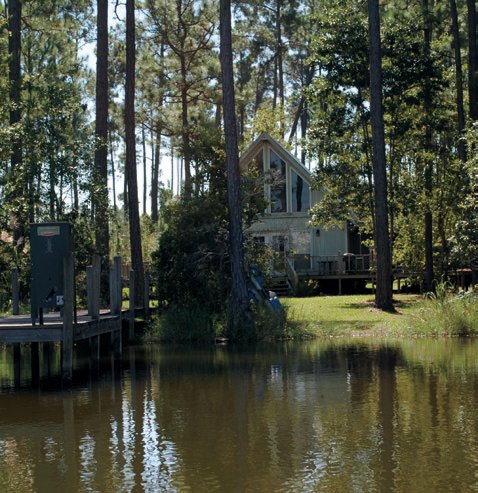
Resume or start a fertilization program once the water temperatures appear they will stay above 60 degrees. A waterbody with an algae bloom is more productive, meaning it can grow larger fish and more of them than a clear waterbody. Done correctly it also helps shade out light, which helps control submerged vegetation growth. Prior to starting, check water chemistry parameters to make sure pH, hardness, alkalinity and conductivity are in the desirable ranges for a successful fertilization program. Order enough fertilizer to make it well into or for the entire summer, as you do not want to run out and allow the water to clear while waiting for more to arrive and allow submerged vegetation to grow. A well thought out plan and commitment must be done prior, otherwise results can be disastrous and expensive if it is stopped or neglected. Desired visibility depth ranges vary by publication, but we advise our clients to keep it between 18 and 30 inches. More visibility allows too much light and submerged vegetation can grow, while less could increase the potential for a fish kill. Check visibility every two weeks and follow fertilizer manufacturer’s directions regarding application rates.
Start-up Fish Feeders
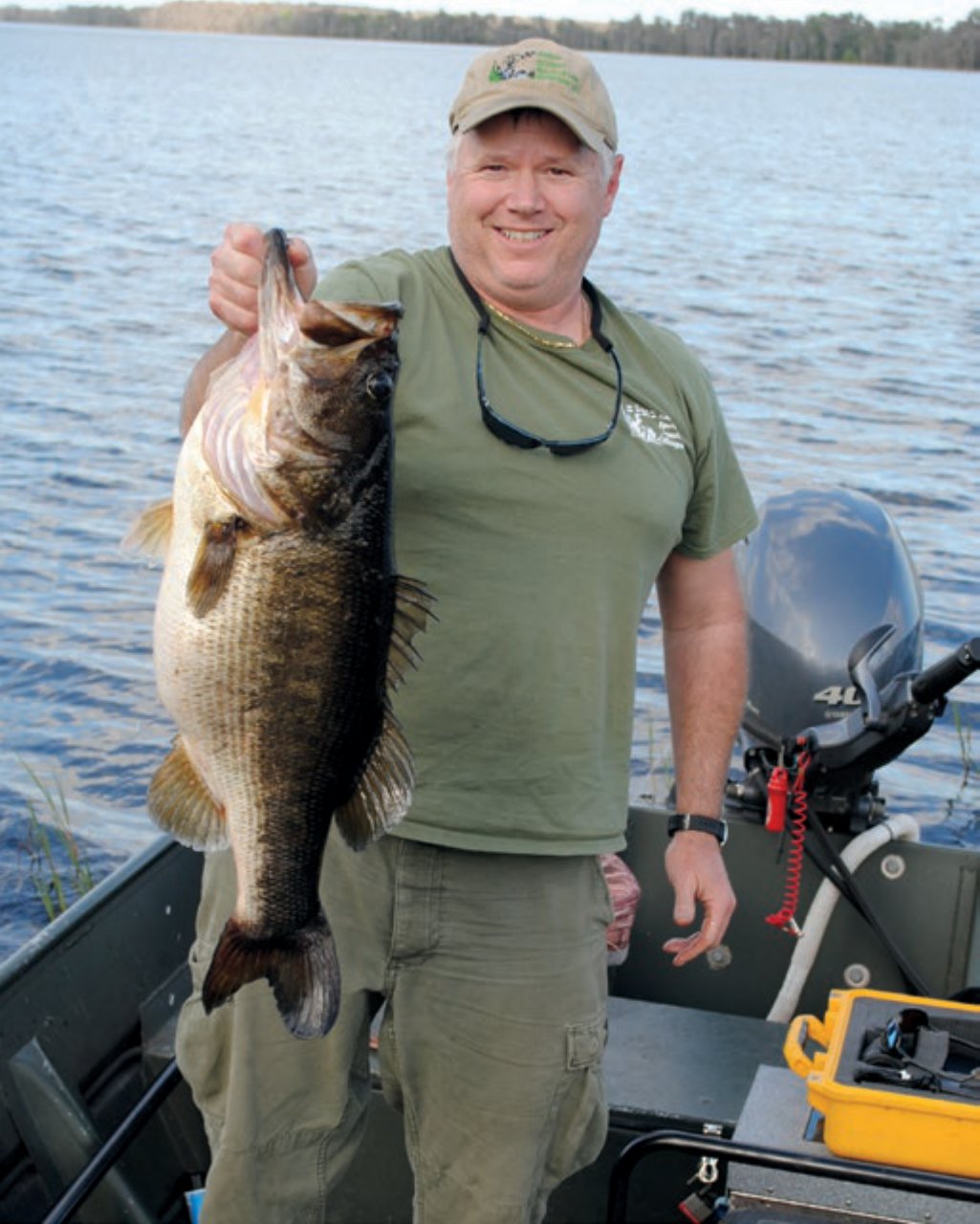
Resume or start a feeding program when water temperatures are continuously above 55 degrees. It is recommended to have approximately one feeder per five acres of water. Feed once per day (mid-afternoon) until water temperatures get above 60, and then switch to twice per day (mid- morning and mid-afternoon). Once water temperatures get above 70, feed four times per day. Use floating feed and match the feed size to the target species and size. If it is a new pond with small bream or catfish, then use a small pellet (called Fingerling or Grow-Out size feed). If mid-size to large catfish and bream are the target, use regular sized pellets. If you have an established pond with various sized bream and catfish then mixing the two is an option to make sure all size groups are consuming supplemental feed. Whenever feeding, set duration time so all feed is consumed in approximately 15-20 minutes to reduce waste and not create water quality issues by over-feeding.
Remove Largemouth Bass
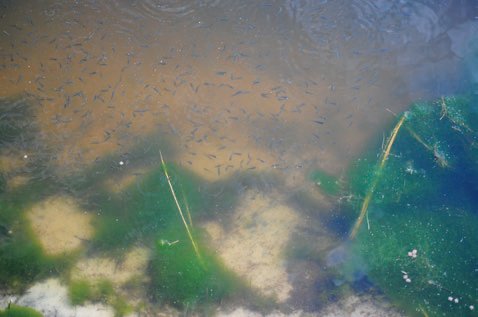
Pond management includes largemouth bass harvest, which is necessary to develop a trophy bass fishery. Spring is one of the easiest times to catch bass. If bass harvest is prescribed, get started now. If you get all the bass prescribed out early in the year there is that much more forage available for the ones remaining. Generally, there is a target slot size that fish are removed. If it’s 13-16, do not take all 13 inch or all 16 inch bass. Evenly distribute the harvest or take more smaller, than larger fish. Invite family, friends and neighbors over to catch bass and let them take them home or have a fish fry. Check your state’s regulations on the number per day that each angler can harvest from private lakes. Some states have no regulations on fish caught from private waterbodies, while others are very strict.
Treat Nuisance Aquatic Vegetation with Herbicides
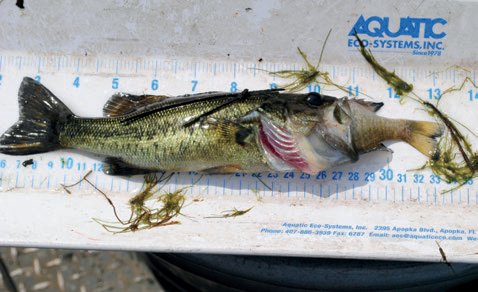
Any troublesome vegetation the year prior should be treated early (as soon as green-up begins) to reduce issues regarding that plant species later in the year. When using herbicides near or in water you should have a professional, certified, licensed and insured applicator to perform the work. Aquatic herbicide use is much more complicated than performing these tasks on uplands. Done improperly, it can result in a partial or entire fish kill, and depending on the circumstances anything downstream can also be in danger. Fish can perish from direct contact of improperly used herbicides, but more often are affected by decomposing vegetation which can cause low Dissolved Oxygen leading to stress or a fish kill.
Conduct an Electrofishing Survey
Spring is the best time to conduct a fish survey (electrofishing), especially just prior, during or just after the largemouth bass spawn. These surveys provide a starting point and/or assess previous management practices, which results can be used to make sound management decisions and help you reach your goals. Electrofishing allows us to obtain a snapshot of the entire fish population, not just the species and sized individuals that are caught on hook-and-line. These surveys should be done every two or three years. They are a critical management tool in the decision making process for your waterbody. Reference Wildlife Trends Journal Volume 12, Issue 2, March/April 2012, Electrofishing: How it Works and What Biologists/Managers Get Out of It.
Stock Fish
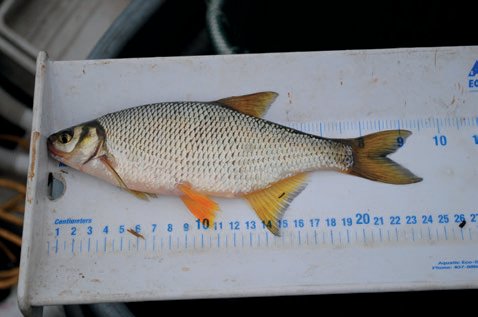
Any stocking prescribed for the year by your pond manager should already be coordinated, but if not, talk to your hatchery and order fish to be stocked for the year. If necessary, put a small deposit down to guarantee you get your fish. Depending on species and size ordered, the fish will be delivered between spring and fall. Almost no private lake requires restocking of largemouth bass. However, forage fish (threadfin shad, golden shiners, tilapia, etc), Morone Hybrids and channel catfish may need to be occasionally restocked.
Plant any Desired Trees and Soft Tissue Plants
Any additional trees around your waterbody should be planted before green-up begins (late winter/early spring). If additional shoreline vegetation is desired, planting soft tissue plants just as the growing season starts is advised so they have the full growing season to take root and become established before the next winter. Shoreline vegetation helps reduce erosion, provides habitat for fish and wildlife and can be aesthetically pleasing. Do not plant any non-native species and develop a well thought out plan on which species to plant where. Consider current water depth at the time of planting and how it relates to the average. Also, consider amount of light and soil type requirements for each species desired to increase survival success. If wildlife is also in your management strategy, planting mast or fruit trees can also be done for various game animals. Reference Wildlife Trends Journal Volume 12, Issue 3, May/June 2012, Aquascaping to Improve Your Pond.