
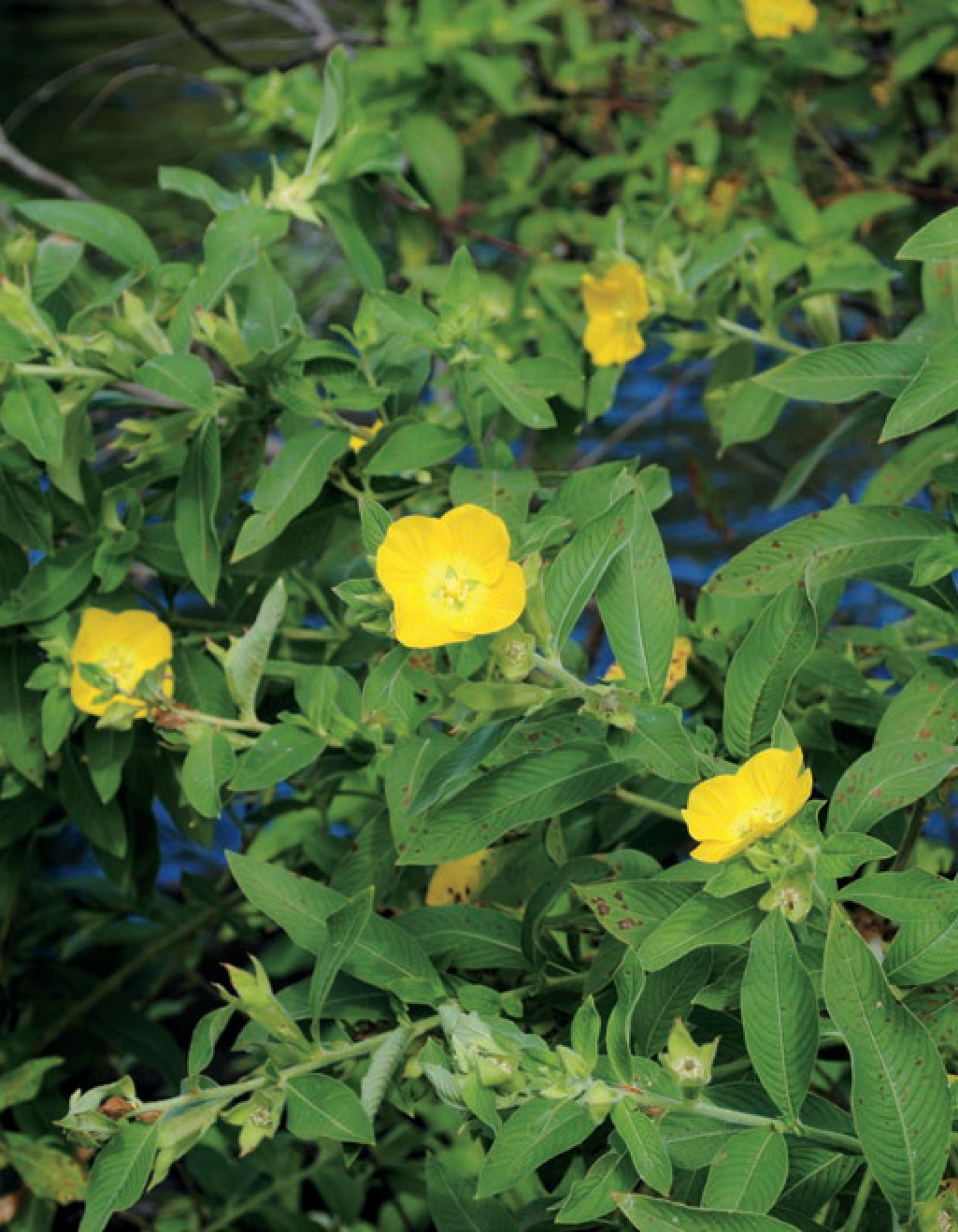
Lots of anglers and lake owners over the years have expressed their likes and dislikes for different kinds of aquatic plant species. You can always start an argument at any boat ramp or with a landowner over what’s the best aquatic vegetation (aka lake weeds) for largemouth bass. Back in the 80’s I met people who moved Hydrilla around from public lake to public lake and even took it back to their own ponds. They knew it grew big bass, but they didn’t know the other issues and expenses it brings. And don’t even ask a waterfowl biologist or duck hunter (which I am) about Hydrilla, they both give a resounding “Hydrilla is great” when talking about waterfowl habitat.
There are Non-Native (exotic) aquatic plant species all over the United States, and not just limited to the South. There seems to be more exotic warm climate plant and animal species than cold, and warm climate plant species also have the benefit of a longer growing season. Some exotic plant species have started becoming immune to traditional herbicides used over decades and show little response to treatment, for example, Sonar (fluridone) resistant hydrilla. But new herbicides are being developed and this generally equates to rising treatment costs. Some exotic plant and animal species were deliberately released with a purpose, before testing or long term effects were thought through. Some were released from pet owners, either the animal itself, or plants used in aquariums for fish and reptiles. Even the first attempt at the grass carp, which is used to reduce unwanted submerged aquatic vegetation, was flawed as it reproduced quickly and could eliminate all aquatic vegetation from an ecosystem hindering fish production and survival and promoting erosion. That’s why it is only legal to stock triploid grass carp, which do not reproduce. And even that has been challenged that not all the fish lack reproduction capabilities.
Some native plant species are classified as Invasive. These are native plants that become a problem in fish and and/or wildlife habitat management, or waterway navigation. This category is not as black and white, because a beneficial plant in one ecosystem may be a nuisance in another. There is not a duck painting known without cattails in the background. Cattails are native, and are considered by most as invasive. They can get out of control quickly and costly to control. However, in certain situations they stay in check and are beneficial. I never use the term eradicate, because it is almost impossible to eradicate an animal or plant species. Once you get an Invasive Exotic plant in your waterbody, keeping it controlled is the objective. Lots of plants disappear for a while, but due to seeds, tubers, roots or upstream re-infestation that continually feeds your waterbody, they eventually come back.
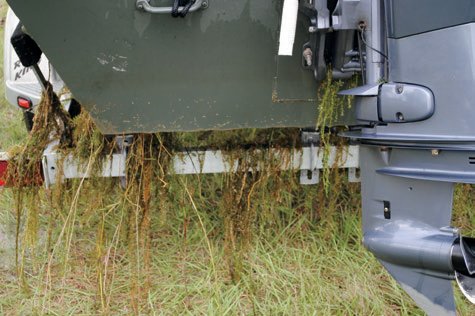
The first thing in exotic weed control is Prevention. Not getting the plant introduced into a lake or pond is the best defense. Aquatic plants are transferred most commonly by boat trailers and boats. As a private consultant we always guard against this. We know none of our clients want any of our other client’s problematic vegetation. To prevent the transfer of plants, always pick your trailer clean at the site you are pulling out. Don’t go home or to the next lake and pick it clean before launching. The “Hitch Hikers” can be washed down the street drain, off the shoreline or boat ramp into an uninfected waterbody. In some instances we have pressure washed the boat and trailer, and even sprayed it with herbicide and allowed to dry before the next launching. It does take time, but it does work at not transferring plants. One of our client’s 160 acre lake is inside a housing development, only 20 miles from a 4,000 acre public lake known for its high quality bass fishing and infestation of Hydrilla. Anglers would go straight from the public lake, back to the lake at home and launch. Hydrilla first appeared around the boat ramp, then at the two best fishing spots in the lake and continued to spread from there. This is generally the pattern an invasive plant takes that has been introduced to a waterbody by boats and trailers. If the plant was washed in from upstream it first appears at inflows (creeks or drainage ditches) or even drain pipes from nearby property and streets where trailer cleaning may occur. Some plants can be easily transplanted from only stems or leaves to re-establish themselves, while others need the root system to be moved and are a lot harder to accidentally establish. There is some proof that birds (wading and waterfowl) can move small pieces of plants and relocate them, but the biggest culprit is human activity.
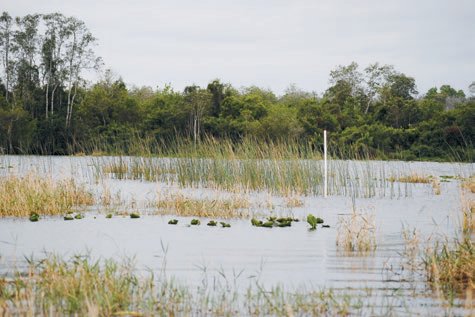
Once you get an exotic species, you need to be diligent and thorough with the response/treatment. Identifying the exotic species, researching the treatment options and knowing the plant’s biology is important. Miss-identifying a plant or applying a herbicide that does not work on that particular species can be costly. We recommend the Texas A & M University and University of Florida’s plant identification web sites for identification, biology and treatment recommendations. If your lake is in northern climates, check your state university, Fish and Game department or herbicide distributor for assistance. Plants can be treated with herbicides, biological treatment (bugs or fish) or mechanically removed. Sometimes a combination of two or all three techniques should be implemented. For Submerged vegetation, such as Hydrilla, herbicide treatment followed by a moderate number per acre stocking of grass carp might be advised.
If mechanical removal is feasible, finding a dump or burial site is required so as to not re-infest the same waterbody, or contaminate waterbodies where the plant does not exist. Knowing the biology of the particular plant you are dealing with is important. Some plants can be removed by taking just a thin layer off the lake bottom, while others may require a deeper scrape to insure all seeds, tubers and root fragments are removed. Mechanical removal sometimes requires drawing the water down, and sometimes all infected areas can be reached from shore. This adds to the expense, time and work factor whether a drawdown is required or not. Again, know your plant, do your homework and read the literature regarding success stories from various states, universities and government agencies working on aquatic exotic plant control.
The second technique is Biological Control. The most common is the stocking of Triploid Grass Carp. These fish have been widely studied for decades. Stocking numbers range from 5-15 per acre, depending on your location, the plant you are targeting, and depending which biologist, lake manager or hatchery worker you talk to. First, check with your state fish and game agency for stocking rate recommendations and if any permitting is required. Then talk to your pond manager. Grass carp do have a plant preference and identifying where your target plant species rank on that list is important.
Near the top of that list is Hydrilla and near the bottom is filamentous algae. We use a grass carp food preference paper by Dr. Martin W. Brunson from Mississippi to determine if grass carp will work on a particular species. We like to use a combination of herbicide, followed by a low number stocking of grass carp to maintain and control the plant after chemical treatment. We have witnessed exotics disappear from waterbodies for as long as seven years after chemical treatment, only to come back after years of dormancy.
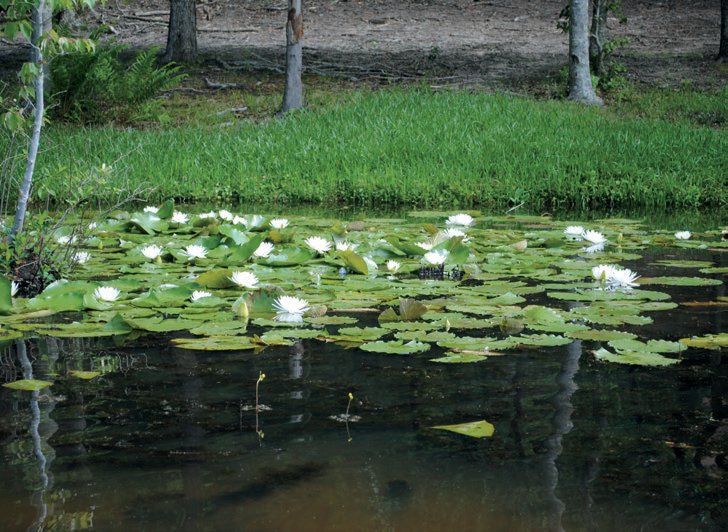
The final and most common technique used on exotic and invasive plant species is Chemical (herbicide) Treatment. Some exotic and invasive plants are fairly inexpensive to treat ($100/acre), and others are very expensive ($1,500/acre) for herbicide only. There are state and federal programs that assist landowners with costs to treat exotic and invasive plants. If your waterbody experiences an exotic infestation and it drains into uninfected public waters, some funding may be available through your state’s agricultural or environmental protection agency. It only takes a few minutes to call, and it could help defer costs. When performing a herbicide treatment, always follow the label. When herbicide like Sonar (Fluridone) is used the manufacturers offer a water test several weeks after treatment to see if concentration levels remain acceptable. It’s advised to pay for this service as it may save on herbicide costs by not requiring a follow-up treatment or tells you more herbicide is needed so the first application is not wasted and doesn’t perform as desired. Another issue occurring with some exotic plants is they are becoming resistant to particular herbicides successfully used in the past. There is now a genetic test for hydrilla, to be done prior to treating with Sonar. If you have heard of Sonar resistant hydrilla in your state, it is advisable to have this test done prior as to not waste money if it turns out your hydrilla has this genetic make-up. There are tricks to reduce herbicide costs such as drawing the water down during or prior to treatment, which reduces the amount of herbicide needed. Plants may be susceptible to more than one herbicide, with the long term results being different. A Contact Herbicide will kill the plant it touches, but if it doesn’t touch it, the plant survives. A Systemic Herbicide is throughout the water and is absorbed into the plant over a long period of time. This treatment is generally more expensive, but has longer lasting benefits. This type of herbicide application can be less selective and may kill non-target, desirable plant species in or around the waterbody. Here is where the combination of all three techniques could be applied with a fall herbicide treatment (chemical) and drawdown, followed by scraping (mechanical) and stocking of grass carp (biological) later on to help maintain.
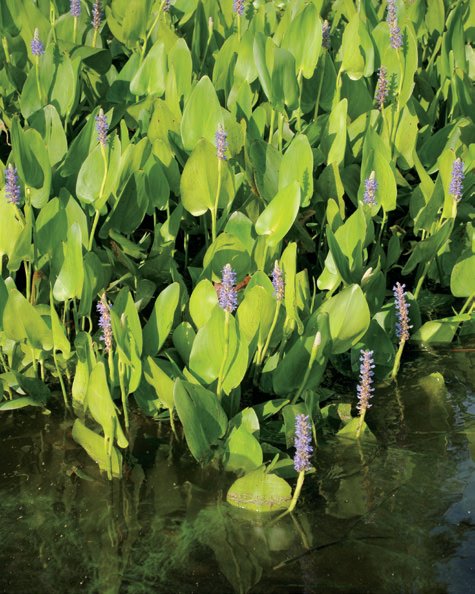
There are too many exotic aquatic plant species to mention here. You or your lake manager need to check with your state Game and Fish, Agriculture and Environmental Protection Departments or local universities for exotic plant identification and treatment, and possible supplemental funding sources. Some of the more common exotic plant species we have seen include hydrilla, water primrose, alligatorweed, water hyacinth, Brazilian Elodea, Eurasian watermilfoil, Brazilian pepper, water lettuce, Salvinia and torpedograss. As stated earlier, each state has its own lists of exotic and/or invasive plants. Knowing what plants are good and bad before purposely or unintentionally relocating is required. If you are faced with removing a large area of exotics, trying to replace them with more desirable native species is advised.
Native Invasive plant species are more difficult to identify. For example, in a large waterbody, some cattails may enhance habitat and help clean water by removing excess nutrients. In a small pond or lake, they are generally discouraged from growing because they can take over quickly. One example, such as along a lake dam, they may be allowed to grow as they are an excellent defense against wave erosion by their strappy leaves and holding dam dirt in place with a spongy root system. In this situation, the slope at the dam should be so that they can only grow out so far before it gets too deep, which keeps them limited to a band in front of the dam. Once they start spreading to other shallow areas, you may decide they need to be treated, removed or occasionally thinned, but still left for habitat. Some native species in some states are looked upon as desirable, while the same plant is viewed invasive in other states. This is where consulting a professional is advised to help you decide if a plant in your waterbody is beneficial both short and long term, and how it should be managed.
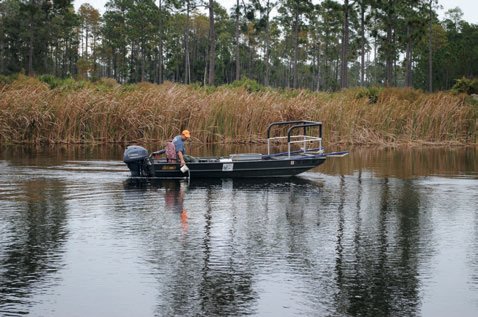
It is very common for new lake owners to want to establish shoreline habitat as soon as possible once their lake is complete. On occasion we direct them or we do it ourselves to find donor sights for local, native plant species. Maybe a friend nearby has a plant species that really holds bass in his pond, so you want some and he’s willing to let you take some. Be very accurate on your plant identification and knowing the plant biology of species in question before moving any plant species. And check with state agencies because some plants can be transplanted in this fashion and some are illegal for you to have in your possession during transport. Make sure you are moving exactly what you want and make sure no laws are being broken doing it. Transplanting someone else’s headache is not good for your new lake. Even when you purchase aquatic plants form an accredited nursery, make sure there are no unwanted plants mixed in the bare root or potted plants. I have seen people move lots of torpedograss thinking it was Maidencane, only to be disappointed when they asked us to spray it later.
Sometimes we run into problems where exotics might be all the lake has for habitat, so what should the landowner do? We try to thin the exotics and see if any native desirable plants come in. If not we will try and start reducing the exotic plant in the same areas and gradually introduce desirable native species to hopefully take over and out-compete the exotic.
When managing aquatic plants, it’s not always black and white and it’s definitely not easy, even for a professional. When faced with an exotic and/or invasive plant species do your homework and respond quickly. The earlier a plant problem is addressed, the better the outcome and cheaper the solution.