
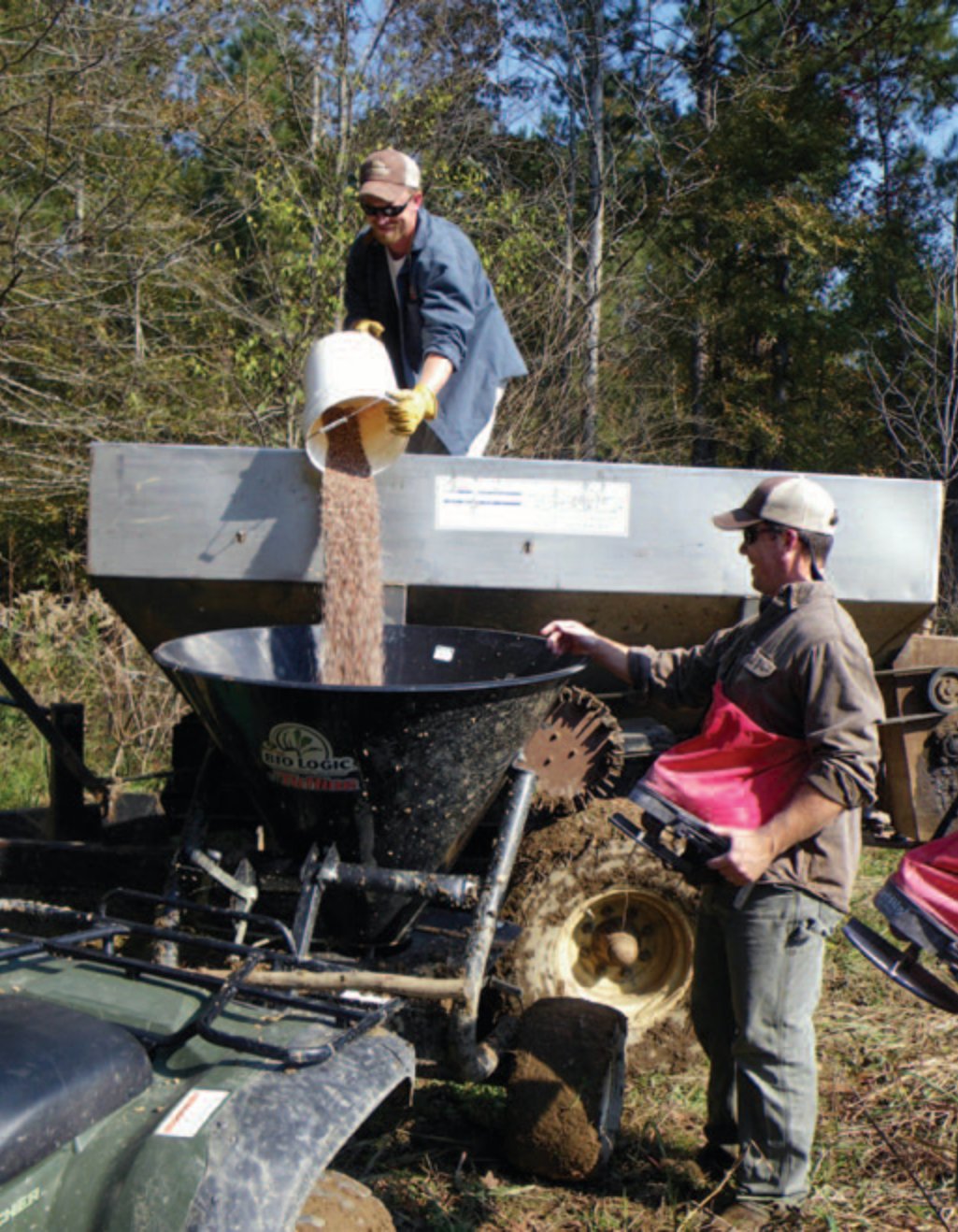
Food plot preparations
It is difficult, if not impossible, to establish successful food plots without preparation. Planting quality food plots is a process that may span over several months, not a weekend. There are several factors that influence the success of a food plot program. Among the most important are establishing a well thought out food plot plan, ensuring proper soil fertility and pH, preparing a firm, smooth seed bed, only planting under favorable conditions, and controlling weeds. Each of these activities plays an important role in the success of your food plots. Don’t fall into the trap of planting too early. Unfortunately, many landowners and hunters plant in early-mid September. This is often a very dry period across the Southeast which will lead to food plot failure. However, if you receive adequate rain, food plots may grow rapidly which will result in very high food plots by the time hunting season arrives. There is also a higher chance of army worm problems if temperatures are still warm. Early-mid-October is the ideal period to plant fall food plots in most areas of the Southeast. This is when we start getting regular cold fronts that bring rain. Planting “later” (meaning in October) will result in young, tender food plots that are very attractive to deer and other wildlife during hunting season.
Conduct a camera survey to assess the status of your deer herd to make sound/educated deer harvest decisions before you start hunting.
Monitoring the status of your deer herd is the backbone to the success of your program. Collecting and recording harvest data (weights, measurements, ages, etc), hunter observation data (number, sex, and quality of deer you see while hunting), as well as population surveys (such as spotlight counts or camera surveys) provides information about the deer herd that will allow you to make sound deer management decisions and adjustments in strategies where needed to accomplish your goals. Without this information you are simply guessing. If you are like me, you spend way too much time, money, and energy managing your property to just guess on how many and which deer to harvest this season. I want to know. Conducting a camera survey is the best tool available to assess the status of your deer herd (number of deer, buck quality, fawn recruitment, etc) and make buck harvest decisions before you head to the woods.
Conducting a camera survey is more than simply putting out a few trail cameras. A true camera survey, one that is used to determine population characteristics of a deer herd, requires establishing baitsites across a property at a density of 1 site/100 acres (this may vary depending on habitat quality and diversity). These sites are systematically established across the property and within all habitat types present. Each site is pre-baited for a week or so to attract deer to the site. Once deer are using the sites heavily, cameras are placed at each site and operated for 10-14 days or until no new bucks are being photographed. The photographs taken during this period are used to estimate the population and its characteristics. Analyzing the pictures is not as easy as simply counting the number of bucks and does photographed, it is a somewhat complicated process that requires counting total does and bucks photographed, identifying the number of unique bucks photographed, estimating their age, and plugging this information into mathematical formulas. Although some landowners conduct camera surveys themselves, most consult with or use a wildlife biologist to complete a survey. For more help in understanding how to conduct a survey contact Wildlife Trends.
Regardless of whether you conduct a full scale survey or simply use cameras to scout, photographs from trail cameras are a great tool to assess buck quality and make buck harvest decisions before the moment of truth in a deer stand. I have seen many young bucks with great potential make it another year because they were placed on a “do not shoot” list. If you are using the trail camera photographs to make buck harvest decisions, late summer or early fall is when you need to deploy them. We generally try to conduct our surveys soon after bucks shed velvet but before the majority of acorns start to drop.
Calibrate deer scales before hunting season.
Whether the scales you use to weigh harvested deer at your hunting property are 10 years old or right out of the box, they should be calibrated each year before hunting season to ensure accurate weight data is collected. To calibrate scales, simply hang an object of known weight from the scale (e.g., 50 lbs bag of feed, tractor weight, etc), along with your gambril (normally a triangular metal hanger used to attach deer to scale), then adjust the scale to the known weight if needed. Although there are many makes/models of scales available most have a calibration screw that can be easily adjusted. Also note that it is not uncommon for a calibrated scale to read something other than “zero” when idle. Recording accurate weights from harvested deer provides insight to the health of deer on your property and will assist in making management decisions (herd and habitat) to achieve overall goals.
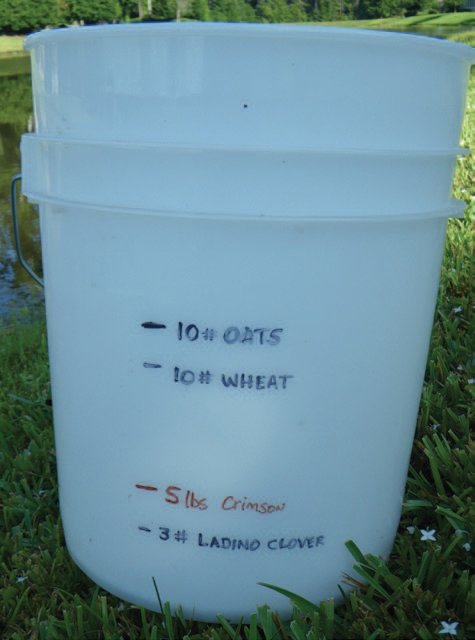
Create a seed scale to ensure accurate seeding rates are applied when planting food plots
How many times have you ever been in the woods planting a food plot and had to guess on the amount of seed to pour into the spreader for that particular food plot? Here’s a tip that will help you more accurately measure the amount of seed to put in the spreader. Before going to the field, use a bucket (3 or 5 gallon size works fine) to weigh the various types of seeds/blends you are using. Once you are at the desired weight for each seed type (e.g., 10 lbs. of oats), use a sharpie to place a mark (and weight) on the bucket. It helps to use a clear bucket so you can see the outline of the seed from the outside. Due to the size and weight variations in different seeds or blends, you will need to follow this process for each of the different seeds or blends. For example, you may have a mark for 10 lbs of oats and another for 5 lbs of crimson clover. Once marked, the bucket can serve as an accurate “measuring cup” to measure seed being placed in the spreader. This will ensure proper seeding rates are applied on the acreage you are planting.
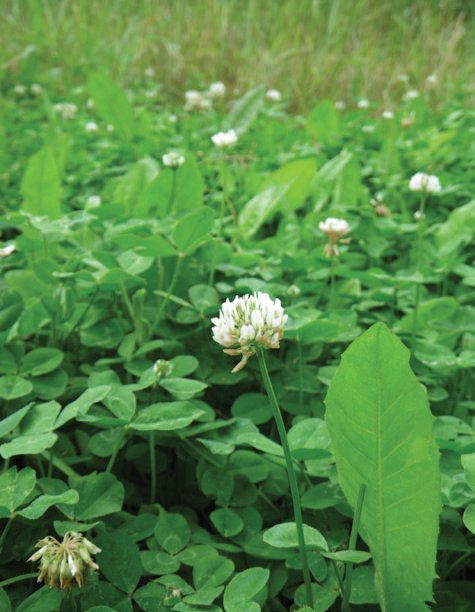
Mow and fertilize perennial clover food plots.
While preparing your fall annual food plots, do not neglect your perennial plots. Early fall is a good time to give them their final mowing and a boost of fertilizer. With the cooler temperatures and fall rains, the clover will start recovering from the stress associated with heat of summer. Do NOT mow the clover too low. Just above the clover plants is good (clipping the flowers and other weeds). After mowing roads, pond dams, and other areas on your property, be sure to clean weed seeds and thatch from your mower deck before mowing any food plots. Unwanted weed seeds have a sneaky way of collecting on mower decks then jumping off onto your well managed fertile food plots. Cleaning a mower deck off is easy to do with a gas powered blower or a small broom. Taking 2 minutes to clear weed seeds from a mower deck is much easier than fighting the weed once it gets established in your food plots. Also, do not use a fertilizer with nitrogen. Clover makes its own nitrogen. Adding nitrogen will only feed undesirable weeds. As a rule 200 lbs of 0-20-20 per acre is a good dose. However, it is always best to test the soil fertility and apply recommended rates. If lime is needed, apply this as well.
Host a cookout with adjacent landowners and/or game wardens.
This is a great way to meet your neighbors and local game wardens. The cookout provides opportunities to exchange ideas on deer and habitat management as well as harvest strategies. If you are trying to convince an adjacent landowner or hunting club to practice quality deer management, this is a great time to show them some of the success you have had. Pictures of harvested bucks and/or scouting camera pictures are usually all it takes to convince others to join your efforts. These cookouts often result in long-term relationships between landowners or hunting clubs that is mutually beneficial. I have yet to meet a game warden that doesn’t like BBQ – particularly free BBQ! Making friends with your local game wardens has obvious benefits.
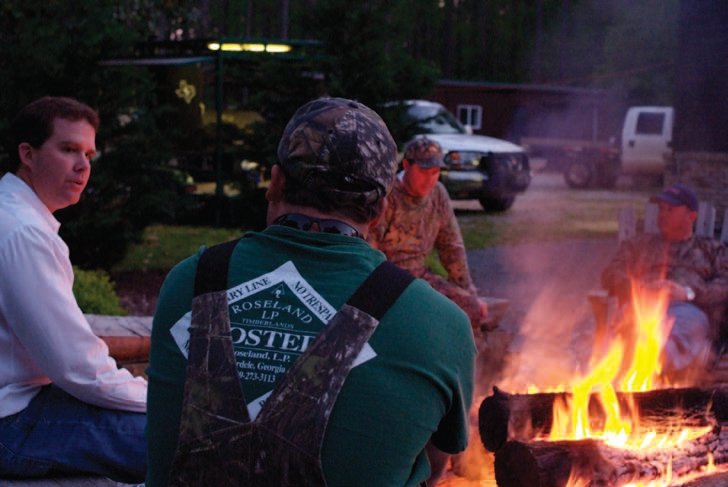
Hold a preseason meeting with your hunting club or people that hunt your property to discuss the progress of the deer management program and harvest strategies planned for the upcoming season.
Holding a preseason meeting to discuss the deer management program and deer harvest plans for the upcoming season will ensure everyone is on the same page before the season kicks off and hunters head to the woods. Hopefully, you have been collecting harvest, hunter, and population data regarding the deer herd. Use this information to assess the status of the deer herd and how the herd has or is responding to your management strategies. A preseason meeting is a great time to review this information, make harvest decisions for the upcoming season, and share with the group or hunters using the property. As a biologist, I often present this information to hunting clubs or landowners with recommendations for the upcoming season. These meetings are most effective if held just prior to hunting season to ensure the information is fresh on hunter’s minds. This is also a great time to review general rules for hunting, discuss housekeeping items around the camp and property, and develop management and/or maintenance project lists. I often see these meetings tied into a work day or work weekend at the property.
Where possible, leave field borders and/ or summer crops standing for additional winter cover.
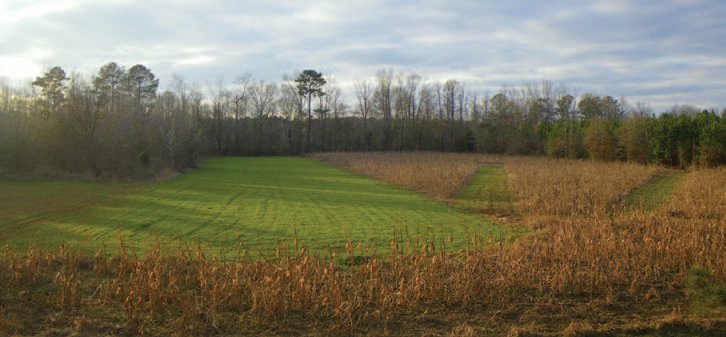
Deer, turkeys, and quail will use these areas for loafing, escape, bedding, and nesting cover. There may also be some seeds left from the summer crops that will provide additional food sources during the winter for turkeys and quail. Standing dead summer crops such as grain sorghum, corn and millets provide additional edge habitat and can be used to create “soft edges” along areas where food plots or fields abruptly meet mature forests. Soft edges can provide areas where deer feel safe and comfortable as they enter a food plot. Deer will often emerge from the woods and stand in the soft edge habitat as they check the field for danger. This provides hunters an opportunity to observe and judge deer before they enter the field.
Mow lanes through CRP, grassy powerlines, or corn fields to provide additional hunting opportunities.
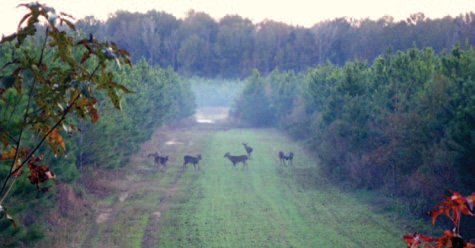
Growing mature bucks is relatively easy to do if you stick with a sound deer management program geared towards QDM. However, harvesting mature bucks is another story. Through my experience, there is no better place to observe and/or harvest mature bucks than in a long mowed lane that runs through thick cover (e.g., clearcuts, young pine stands, chest high grassy areas, corn fields, etc). This thick cover is where the mature bucks live. These lanes offer bucks a sense of security which makes them more apt to use these areas during daylight. They know that with a quick bounce, they are in heavy cover and safe. Mowed or disked lanes through thick cover also provides great travel corridors to connect woodlots or mature timber. Deer will often take the path of least resistance and will use these lanes to travel which can make for some exceptional bow hunting opportunities. Mowing a wagon wheel pattern or hub & spoke design works well if the situation allows for it. These areas make for some great hunting.
Conduct pre-season projects that will help reduce or minimize hunting pressure and disturbance.
Hunting pressure and disturbance on a property significantly impacts the hunting quality or number of deer you will see. We have lots of hunter observation data that shows as more pressure is applied, fewer deer (particularly mature bucks) are seen. Here are a few things that will help minimize hunting pressure:
- Position stands around food plots so that hunters can enter and exit them without spooking deer. By this I mean place stands slightly inside the woods and/or plant a “screen” that will protect the hunter from being seen by deer in the field. Good screens include the remains of standing summer crops such as corn, Egyptian wheat, Sorghum Sudan. Other more permanent screens (which I prefer) include switchgrass, or evergreen type shrubs or conifers. Once stands are placed inside the woods, simply cut shooting lanes for hunters to see and harvest deer on the food plot.
- Inspect stands to make sure they are safe, but from a disturbance standpoint, check for noises. Oil squeaky chairs, windows, doors, etc. Move around in the stand. Does it creak? Find the source and fix it. Ladders may simply need to be tightened. These little noises can ruin a hunt and disturb deer for future hunts.
- Cut and clear trails for hunters to get to and from the stand without making a lot of noise.
- Determine favorable wind directions for each stand and do not hunt the stand unless the wind is right. At my camp, we have a list of stands for each wind direction. We check the wind, review the list, and hunt accordingly.
- Look at a map of your property and determine which roads will impact or disturb deer or other wildlife. Close these roads down before and during hunting season and only travel them on a “need to” basis.
Besides properly managing the deer herd, the key to having high quality hunting experiences it to keep disturbance on the property to a minimum.
Harvest deer.
Although biologists provide guidance on how many and what kind of deer to harvest, the hunter is the real deer manager. Remember that each time you pull the trigger you are making a deer management decision. In fact, not harvesting deer is a management decision. Unfortunately, I see many landowners with goals of producing trophy bucks who are allowing the deer herd to overpopulate because they like to see 20+ deer when they go to a stand. This situation often results in a poor quality deer herd with significant dispersal of deer to surrounding properties, less reproduction and fawn recruitment, and ultimately poor quality antlers. If your goal is to manage for a quality or trophy deer herd, harvesting an adequate number of deer each year is essential to keep your deer herd and habitat healthy. In addition to maintaining a desirable deer density, doe harvest is the primary tool used to manage the adult sex ratio of a herd. Maintaining a balanced sex ratio will result in a much healthier deer herd, better quality bucks, increased fawn survival, and exciting hunting. Balancing the adult sex ratio is also one of the tools I use to increase breeding competition and get mature bucks on their feet so that my clients can see or harvest them (which is often more challenging than growing them!)
Collect data from harvested deer.
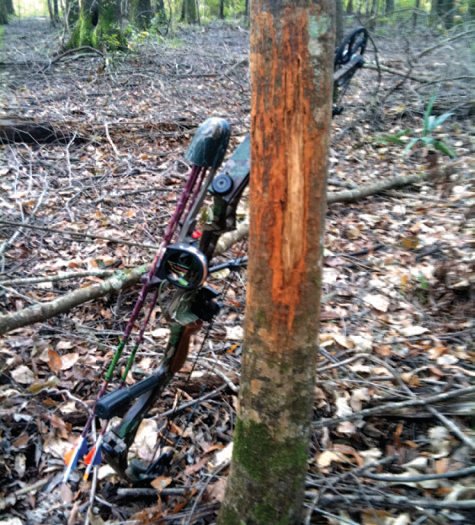
This information is the “backbone” of your deer program and allows you to monitor/assess its success and make sound management decisions/ adjustments if needed to reach your deer management goals. Collecting this information each year is important because it will allow you to assess trends in the harvest and observation data which will help you determine if your program is working and where adjustments are needed. Without this information, you are simply guessing and are less likely to achieve your goals. Contact your local state wildlife biologist or a wildlife consultant to determine what information/data you need to collect. You can also visit the Westervelt Wildlife Services website to download a deer harvest data sheet (www.westerveltwildlife.com under “wildlife consulting” then “deer management forms”). Be sure to stock your skinning shed with the needed data sheets and tools needed to record data before the season starts. Other preparations include calibrating scales, inspecting/repairing and oiling the winch used to hoist deer, checking water hoses and nozzles, cleaning walk in coolers if needed, etc.
Flood duck ponds to “full pool” by early-mid November.
Monitor water levels in duck ponds as Fall arrives. Many of us in the Southeast have been fortunate and have gotten abundant rains so far (some of us got too much!). However, too much water too early can be bad for growing duck pond crops/plants. Water control structures allow managers to regulate water levels and are valuable tools when a rain event such as a tropical storm comes through. Once your crop matures, allow ponds to slowly flood to “full pool” as November approaches. Ideal water depths for dabbling ducks such as mallards, gadwalls, wood ducks, etc is 12-18″ with pockets of 4″-6″ depths. The reason to have your ponds flooded 2-4 weeks before the hunting season opens is to give ducks a chance to find your ponds and get used to using them. Flooding too early (more than a month before the season) may result in seed deterioration resulting in less food later during hunting season. For best hunting, do not over-hunt your duck pond and allow a “rest” period between hunts. If you have several duck ponds, designate one as a “no hunt area” to provide a place for ducks to loaf. This will keep them on your property.