

American Beaver (Castor canadensis) are the largest living rodents in North America and the second largest member of the rodent family in the world, after the capybara of South America. The American beaver’s closest relative is the Eurasian beaver (Castor fiber). The majority of adult beaver average between 40 – 60 pounds; however, some have been harvested that weighed in excess of 100 pounds. Beaver are herbivorous, meaning that their diet consists primarily of plant materials and aquatic vegetation such as tree bark, leaves, twigs, roots and buds.
Mating season occurs from January through March. Beaver communicate in a diversity of ways, including using vocalizations, postures, scent marking and slapping their tail on the water. A female (sow) beaver’s gestation period is approximately 105 days with “kits” born between April and June. Sow beaver average giving birth to approximately two to four “kits,” but have been known to birth as many as eight. Kits are nursed until they are approximately 10 to 12 weeks of age, at which time after weaning, their diet consists of vegetation. Most beaver kits remain with their mother until they are about two years old. The beaver’s family unit is termed a “colony,” containing from two to 12 individuals. A colony usually consists of the adult breeding pair, kits of the current year and kits from the previous year. Depending on which research study you read, the lifespan of a beaver in the wild averages approximately five to 15 years.
During the 18th and 19th centuries, beaver were intensively sought after, trapped and killed for their fur, which was utilized as currency for a period of time. Numerous historians have credited the early exploitation of beaver fur to contributing more to the development of the United States and Canada (North America) than any other animal. They are the national animal of Canada and are depicted on the Canadian nickel. Many wildlife biologists consider the beaver to be the most adept, naturally instinctive engineer in the animal kingdom.
Beaver construct “dams” with materials such as mud, twigs, rocks, brush, vegetation, etc., to create and provide themselves with an adequate food supply and safe haven to live and raise their young. No matter where they meet, it is inevitable that conflicts will arise between humans and beaver; the two species most adept at altering the natural world to suit their own needs. Both humans and beaver have built structures which can be seen from space. The Great Wall of China and a one-half-mile long beaver dam in Alberta, Canada, measuring approximately 2,790 feet (850 meters), are prime examples.
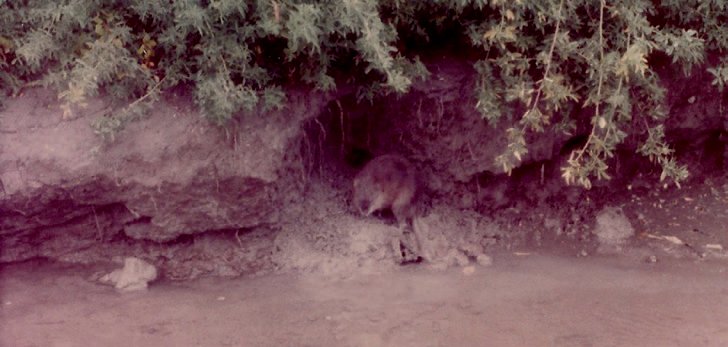
Due to their size, independent behavior and habitat that they utilize, beaver have few enemies; however, the most common predators of beaver are humans, bobcats, coyotes and bears. Many predator trappers, including myself, will sometimes utilize the carcass of beaver, tainted beaver meat and/or beaver castor scent when luring bobcats and coyotes, which find beaver to be a delicacy in their carnivorous diets. Additionally, beaver and their fur bearing predators frequent the same type of habitat (i.e. brush, timber, waterways, etc.). While trapping and snaring predators, I have personally caught numerous bobcats and coyotes adjacent to and even on top of existing beaver dams.
When most private land managers hear someone say, “beaver”, they immediately think that some poor landowner has a serious problem and it needs immediate attention! I used to think the exact same thoughts; however, after spending many years in forest, fish and wildlife protection and management, I am now initially inclined to ask the wildlife manager, “what are the primary focus areas of your private land management program?” I have learned to approach each individual management program with an open mind, especially when it comes to the presence of beaver.
Beaver can provide both benefits and adverse affects, depending on their location and the particular private land management program. For example, if someone’s priority is solely managing their property for generating and harvesting crops, particularly timber and various grains, the presence of beaver residing on these properties will inherently pose a conflict. However, if someone’s priority is to manage their property for waterfowl habitat, the presence of beaver just may be a welcome addition in aiding the land manager with maintaining flooded timber, marshes, wetlands, etc. In turn, if a private land manager’s wishes are to generate and maintain habitat on their property to accommodate a diversity of wildlife and game species such as rabbit, quail, waterfowl, wild turkey and whitetail deer, beaver would serve as an important benefit but the proper and consistent management of their populations on these properties would be a must!
Beaver Eradication vs. Beaver Management
When one takes on the task of beaver eradication, they first need to accept the fact that if the property currently has beaver, along with suitable beaver habitat, the eradication effort will need to be swift and consistent. Once a colony of beaver have been eradicated, the manager will need to immediately remove all dams, lodges, and existing food caches (pronounced as cash-es) because it may only be a matter of time before another pair of beaver move into the unoccupied habitat and establish a new colony. Additionally, consistent surveillance of possible new beaver sign, along with professional trapping and/or snaring efforts will need to become an integral part of your annual wildlife management plan.
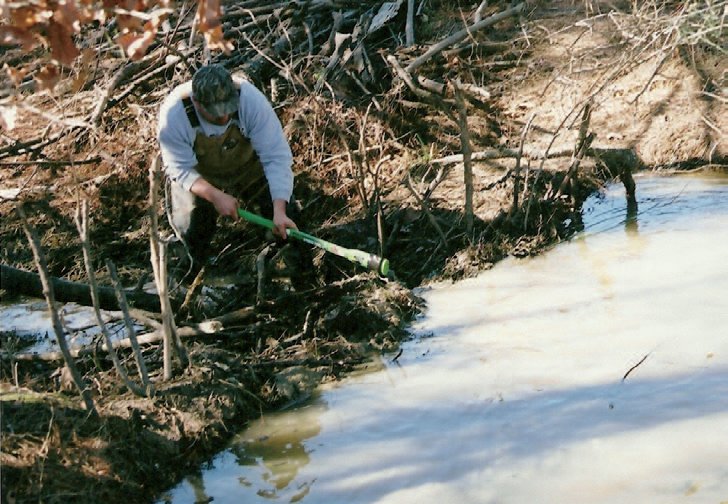
I have personally conducted beaver eradication for numerous private landowners, most of whom had a few acres with one to two existing impoundments. Usually with this type of situation, you are faced with only one to three colonies of beaver at most. An experienced and proficient beaver trapper can usually have these few beaver removed within one to two weeks, depending on the current beaver activity.

Beaver management would be more conducive and realistic for a property which encases several acres of optimum beaver habitat. Optimum beaver habitat would include timbered lowlands and an annual water supply, such as a river, impoundment(s) and/or a spring-fed creek. A consistent effort of harvesting a significant number of beaver each winter and early spring from these properties will most likely be the best approach for the land manager. The private land manager should always remember that no matter what the priority focus of their individual management plan, consistency and longevity of utilizing Best Management Practices (BMP) are key components in maintaining overall success. There is no quick fix in wildlife management!
Every year, numerous landowners who have beaver present on their property spend a significant amount of time, money and effort in attempting to destroy the beaver’s habitat (i.e. dams, lodges, etc.), thinking that the beaver will raise their white flag in submission and merely pack up and move somewhere else. Unfortunately, due to the beaver’s natural instincts, these landowners are quickly educated to the fact that beaver will waste little time in rebuilding their dams, etc., and that their efforts would have been better spent with a different approach. Additionally, the monetary savings for land managers who initially utilize the correct and most feasible approach to beaver control issues (i.e. eradication vs. management) can be substantial. Being thoroughly knowledgeable regarding your options of resources and proven management practices is essential.
For several years, I would take a few weeks of vacation from my job to conduct predator and beaver control work for private landowners. One Mississippi landowner, who owned and managed several hundred acres, specifically for timber, various grains, whitetail deer, wild turkey and bobwhite quail, would have me focus heavily on one particular area on his farm to decrease the existing beaver population. This area was comprised of a mix of timber and lowland grain fields. Additionally, a creek ran through the middle of the property. Every year, one particular portion of the creek would flood the timber and grain fields due to beaver damming the creek channel. Each year, I would harvest around 25 – 40 beaver from this approximate one-quarter mile section of creek. Once I had completed my work, the landowner would utilize a track hoe to dredge the creek of all existing beaver dams, food caches, lodges and brush. With the beaver gone, debris removed, and the water receded to normal levels, the landowner would be able to plant the bottom fields the next spring and also protect, selectively manage and harvest his existing timber crop.
The above story is a prime example of utilizing beaver management in satisfactorily overcoming the land management conflict which these beaver presented. Due to the existing habitat, which was optimum for beaver and the large acreage, the most logical method for the landowner to achieve his land management objective was to, annually, remove the majority of beaver which inhabited this particular area; therefore receding the water levels from the grain fields and timber. Yes, other beaver would eventually move into this section of creek each year but the landowner was also able to annually cultivate, plant and harvest his grain crops. Each year, I would harvest this particular beaver population during February, which was approximately two months prior to planting season. “Timing” of when these beaver were removed, etc., proved to be a very important element of this management plan.
Public Health Concerns
Beaver regularly defecate in water, and their droppings may cause a flu-like infection when contaminated water is ingested. The scientific name for this illness is, “giardiasis,” although more commonly referred to in the scientific world as, “giardia” (pronounced as g-ar-di-a). Another popular term among the non-scientific community is, “beaver fever”. Giardia has been documented in many animal species, including domestic pets, livestock and wildlife; however, it has never been scientifically determined that the type of giardia, which beaver carry, causes giardiasis in humans.
Beaver can also be infected with the bacterial disease, “tularemia”. Tularemia transmitted to animals by biting flies, ticks or drinking contaminated water can be fatal. Animals who contract this disease may appear to be sluggish, tame, and/or unable to run when disturbed. Tularemia is commonly transferred to humans by the ingestion of contaminated water, eating undercooked and/or infected meat (especially pork), or by inhaling dust from soil which is contaminated with the bacteria. Humans infected with this bacterial disease often have symptoms of a high fever, nausea, headache, body ache and sweats. The above-mentioned health concerns, regarding the presence of beaver, solidifies the benefits of generating and following proven wildlife management practices. You never know what has been “upstream” when you are drinking water “downstream”.
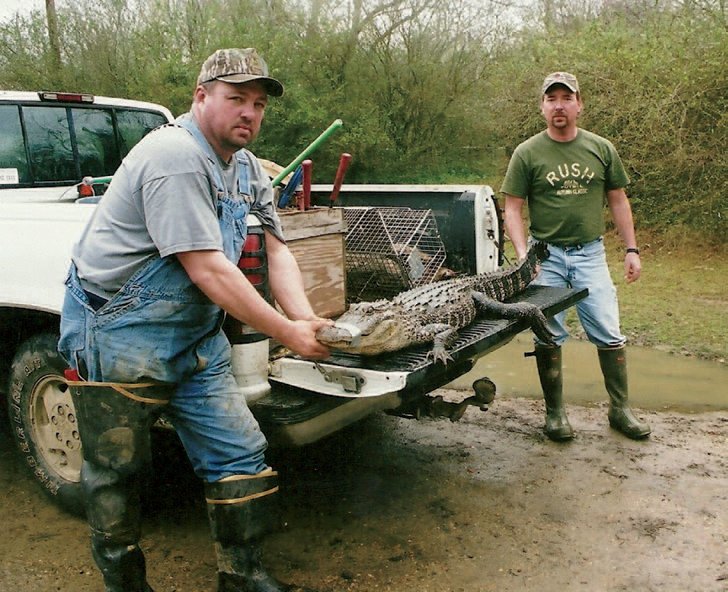
Anyone who has trapped beaver for a significant period of time, will, undoubtedly, have stories to tell of strange and unusual predicaments which they found themselves. While trapping and snaring for beaver, I have caught numerous “non-target” species, including fish, snakes, turtles, myself and alligators…Yes, ALLIGATORS! My first experience in coming face-to-face with a live alligator found me knee deep in stagnant waters in a southwest Mississippi bayou. I was conducting beaver management for a private landowner and was in the process of placing a 330-Conibear trap in the entrance to a beaver den when I began hearing, what sounded like, hen turkey’s yelping. Being very cognizant of the fact that I was leaned forward in knee deep water and scared of anything that has fangs and a temper, I froze. It finally occurred to me that I had approximately a dozen baby alligators swimming between and around my legs who were calling for “Momma”! Have you ever gotten the feeling that someone or something was staring a hole through you? Well, I had that same feeling and promptly removed myself and my trap from this unnerving situation.
Due to the unfortunate fact that raw fur, including beaver, is no longer a profitable quest for the outdoors-man, the number of active beaver trappers today has drastically declined from previous years. This fact, in itself, poses a significant wildlife and private land management concern. If any wildlife species’ population is not maintained to acceptable levels; either by natural selection, predation, and/or human intervention, their numbers will increase beyond the carrying capacity with which any property can sustain. However, most state and federal conservation agencies still provide their services in assisting private landowners with managing wildlife damage issues, such as beaver eradication and management. If you are searching for a private individual(s) who are experienced and proficient in this type of work, I strongly suggest that you require multiple references from previous work history prior to committing to a contract. Good luck with your wildlife management efforts!